

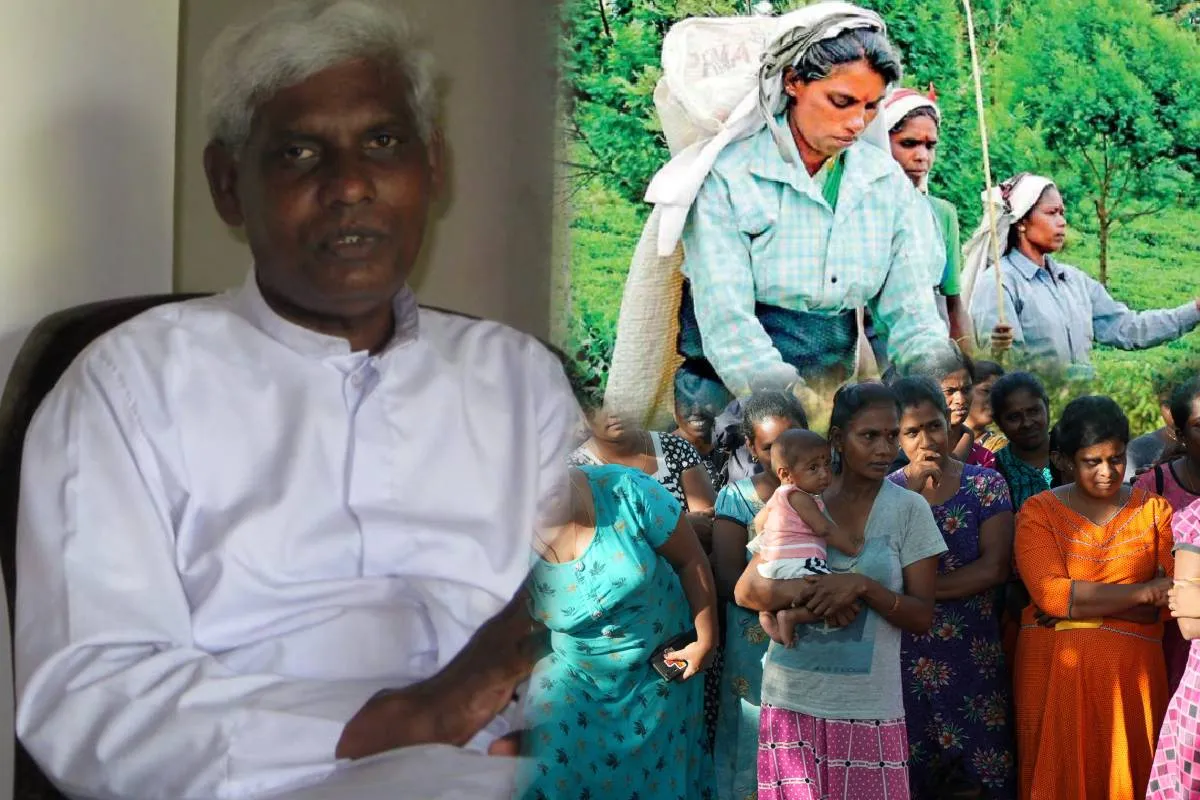
ஆயுதப் போரின் பின்னரும் தமிழர் இருப்புக்கான சவால்கள் தொடர்ந்து இடம்பெற்று வருவதாக சமூக நீதிக்கான செயற்பாட்டாளரும், அரசியல் கைதிகளை விடுதலை செய்வதற்கான தேசிய அமைப்பின் இணைப்பாளருமான அருட்தந்தை மா.சத்திவேல் தெரிவித்துள்ளார். இன்று (27.06.2026) வெளியிட்டுள்ள ஊடக அறிக்கையிலே அவர் இவ…
ஆயுதப் போரின் பின்னரும் தமிழர் இருப்புக்கான சவால்கள் தொடர்ந்து இடம்பெற்று வருவதாக சமூக நீதிக்கான செயற்பாட்டாளரும், அரசியல் கைதிகளை விடுதலை செய்வதற்கான தேசிய அமைப்பின் இணைப்பாளருமான அருட்தந்தை மா.சத்திவேல் தெரிவித்துள்ளார். இன்று (27.06.2026) வெளியிட்டுள்ள ஊடக அறிக்கையிலே அவர் இவ்வாறு குறிப்பிட்டுள்ளார்.சிங்கள பௌத்த பேரினவாதம் அவர் வெளியிட்ட அறிக்கையில் மேலும் தெரிவிக்கப்படுவதாவது,இலங்கையில் சிங்கள பௌத்த பேரினவாதம் அரச பயங்கரவாதத்தின் பாதுகாப்புடனும் ஆதரவுடனும் பலமான கட்டமைப்பாக அவர்களின் சுதந்திர நாளிலிருந்து(1948.02.04) சுதந்திரமாக இயங்கி வருகிறது.இந்த பேரினவாதத்தினால் ஏற்படும் அழிவிவுகளை வடக்குக் கிழக்கின் பூர்வீக தமிழர்களும் மலையகத் தமிழர்களும் பல தசாப்தங்களாக அனுபவித்து வருகின்றனர்.
இன அழிப்பு, இன படுகொலை என்பவற்றை பல்வேறு வடிவங்களில் சந்திக்கும் ஒடுக்கப்பட்ட இனங்களாக தத்தமது அரசியல் அபிலாசை மற்றும் அதன் அரசியல் புள்ளியினின்று கூட்டு பயணம் செய்வதன் மூலமே தமது அரசியல் இலக்கில் பயணிக்க முடியும் என்பதை காலத்தின் கட்டாயமாக அறிவுறுத்துகின்றோம். வடக்குக் கிழக்கிலும், மலையகத்திலும் நேரடியாகவும் மறைமுகமாகவும் சிங்கள பௌத்த குடியேற்றங்கள், பௌத்த சின்னங்கள், விகாரைகள் அமைத்தல் என நிலங்கள் தொடர்ந்து ஆக்கிரமிக்கப்படுகின்றன. தொழில் வாய்ப்பற்ற, அபிவிருத்தி அற்ற பிரதேசங்களாக தொடர்ந்தும் வைத்திருப்பதிருப்தன் மூலம் மக்கள் சுயமாகவே தத்தமது வாழ்விடங்களில் இருந்து வெளியேறும் பின்புலமும் உருவாக்கப்பட்டு மக்கள் செறிவு சிதைக்கப்படுவதையும் நாம் அறிவோம்.நிலமற்றவர்களாகவே வாழும் மலையக தமிழர்கள்
வடக்கு கிழக்கு தமிழர்களுக்கு எதிராகவும், மலையக தமிழர்களுக்கு எதிராகவும் காலத்திற்கு காலம் இனவாத வன்முறைகள் கட்டவிழ்த்து விட்டதோடு தமிழர் தாயகத்தில் நேரடியாக யுத்தம் தொடரப்பட்டு இன படுகொலையோடு ஆயுதம் யுத்தம் மௌனிக்கப்பட்டாலும் பல்வேறு வடிவங்களில் இன அழிப்பு தொடர்வதை நாம் அறிவோம்.
மலையகத் தமிழர்கள் தம்மைத் தாமே ஒரு தேசிய இனமாக உருவாக்கி வளர்ந்து வரும் சூழ்நிலையில் அவர்களின் இன அடையாளங்கள் திட்டமிட்ட வகையில் தொடர்ந்து சிதைக்கப்படுவதுதையும் சலனமற்ற இன அழிப்பும் பல்வேறு வகையில் அரச பயங்கரவாதத்தால் அவர்கள் மீது அரங்கேற்றப்படுவதையும் நாம் அறிவோம். தமிழர் தாயகத்தில் மக்களின் காணிகளையும், அரச காணிகளையும் படையினரும் அரசாங்க திணைக்களங்களும் தம்வசப்படுத்தி இருப்பதோடு அவர்களின் காணிகளை தம்வசமாக்க திட்டமிடுகின்றனர்.அத்துடன் மலையக தமிழர்களை நிலமற்றவர்களாகவே தொடர்ந்து வைத்திருப்பதற்காக பெருந்தோட்ட நிறுவனங்களுக்கு நீண்ட கால குத்தகைக்கு மலையகத்தின் பெரும் நிலப்பரப்பை கொடுத்திருப்பதுடன் மக்கள் தமக்கான நிலங்களை கேட்கையில் கொடுக்க காணி இல்லை எனக் கூறும் அரசாங்கம் தம்வசமுள்ள பெருந்தோட்ட காணிகளை பல்தேசிய கம்பெனிகளுக்கு கொடுக்க கேள்வி பத்திரம் கோருவதில் என்ன நியாயம் உள்ளது?
அண்மையில் பெருந்தோட்ட அமைச்சர் 500 தேயிலை தோட்ட கிராமங்களை உருவாக்கப் போவதாக அறிவித்துள்ளார். ஆனால் மலையகத்தில் 150 வருடங்களுக்கு மேலாக தேயிலை தொழிலில் அனுபவம் வாய்ந்த மக்களை தோட்டங்களுக்குள் அடிமைகளாக வைத்துக்கொண்டு இருக்கிறார்கள்.செம்மணி புதைகுழி
தமிழர் தாயகப் பிரதேசம் யுத்தப்பிரதேசங்களாக மட்டுமல்ல படை முகாம்கள் சித்திரவதை கூடங்களாகவும் இனப்படுகொலை நிறைவேற்றிடங்களாகுமே வைக்கப்பட்டிருந்தன. இதுவரை கண்டுபிடிக்கப்பட்ட சமூக புதை குழிகள் இதனை வெளிப்படுத்தி நிற்கின்றன.அந்த வகையில் தற்போது செம்மணி புதைகுழி அகழும் பணியில் தினமும் அதிர்ச்சிகளே வெளிப்பட்டுக் கொண்டிருக்கின்றன. சர்வதேச மன்னிப்பு சபை தென் இலங்கையின் தோட்டங்களிலும், சிறு தோட்டங்களிலும் மலையக தமிழ் தொழிலாளர்கள் கொத்தடிமைகளாக வைக்கப்பட்டுள்ளனர் எனும் அதிர்ச்சி தகவலை இரண்டு வருட கால கள ஆய்வு அறிக்கையின் மூலம் அண்மையில் வெளியிட்டுள்ளது. இன அழிப்பு, இனப்படுகொலை, யுத்த குற்றங்கள் நாட்டில் நிகழவில்லை எனக் கூறும் சிங்கள பௌத்த ஆட்சியாளர்களைப் போன்று தற்போதைய ஆட்சியாளர்களும் மலையகத் தமிழ் தொழிலாளர்களை கொத்தடிமைகளாக வைத்திருக்கிறார்கள் எனக்கூறும் சர்வதேச மன்னிப்பு சபையின் ஆய்வு அறிக்கையையும் இந்த அரசு ஏற்றுக்கொள்ளவில்லை.மலையக தமிழ் தொழிலாளர்கள் கொத்தடிமைகளாக வைக்கப்பட்டிருப்பதும் இன அழிப்பின் மாற்று வடிவமே.இன அழிப்புக்குள்ளாகும் சமூகங்களின் ஒன்றிணைவு
புதைக்கப்பட்டவர்களின் சாட்சியாக செம்மணி சமூக புதைகுழி இருப்பது போல் புதைக்கப்பட உள்ளோரின் சாட்சியாக மலையக தமிழ் தொழிலாளர்கள் இருப்பதாக சர்வதேச மன்னிப்பு சபையின் அறிக்கையில் உள்ளது.
இந்த நிலையில் வடக்குக் கிழக்கில் தமிழ் நாடாளுமன்ற உறுப்பினர்களும், மலையக தமிழ் நாடாளுமன்ற உறுப்பினர்களும் நாடாளுமன்றத்துக்குள்ளும் வெளியிலும் மக்களின் அரசியல் நலன் மற்றும் இருப்பு கருதி ஒன்றித்து பயணிக்க வேண்டிய காலத்தின் கட்டாயத்துக்குள் தள்ளப்பட்டுள்ளததை ஏற்றுக் கொள்ளல் வேண்டும்.அதேபோன்று சிவில் சமூக அரசியல் அமைப்புக்களும் தமக்கிடையிலான கலந்துரையாடலை தொடர்வது முக்கியமாகும். தத்தமது அரசியல் அடையாளங்களோடும் அதன் தனித்துவத்தோடும் இன அழிப்புக்கு முகம் கொடுக்கும் இன சமூகங்களாக ஒன்று படுவதன் மூலமே அரசியல் இலக்கினை அடைய முடியும் என்பதையும் கூற விரும்புகின்றோம். இத்தகைய ஒருங்கிணைவு 1970- களில் இருந்தது என்பதையும் நாம் மறந்து விடக்கூடாது எனக் குறிப்பிடப்பட்டுள்ளது.