

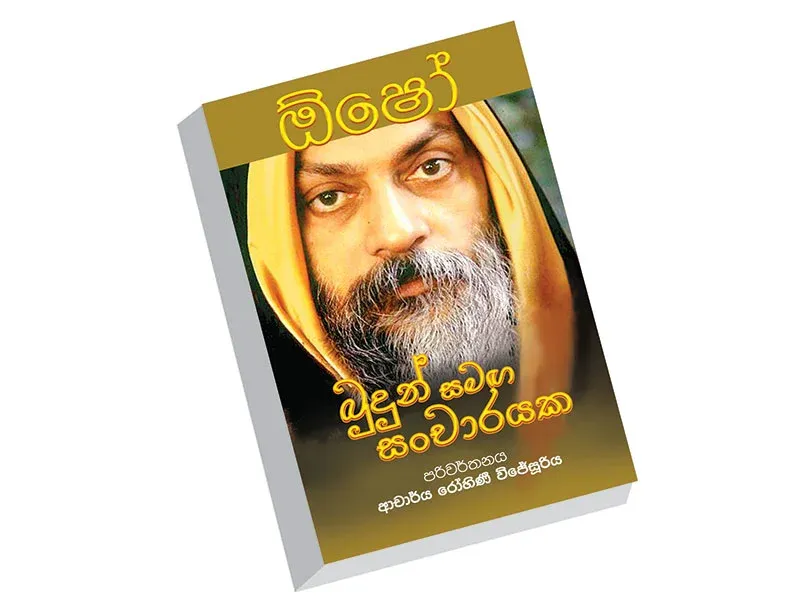
බුදුන් වහන්සේ සමග පිළිසඳරක යෙදෙන්නට, උන්වහන්සේ සමග සංචරණයක් අරඹන්නට පෙර යම්කිසිවකු පූරණය කළ යුතු සුදුසුකම් කිසිවක් ඇත්තේ ද? ඒවා මොනවා ද? ශ්රද්ධාව…? ධර්මය පිළිබඳ දැනුම…? බුද්ධිය…? පාණ්ඩිත්යය…? අපි චතුරාර්ය සත්යය (සත්ය සතර) ගැන දැන සිටිමු. ආර්ය අෂ්ටාංගික මාර්ගය අපට කටපාඩම් ය.…
බුදුන් වහන්සේ සමග පිළිසඳරක යෙදෙන්නට, උන්වහන්සේ සමග සංචරණයක් අරඹන්නට පෙර යම්කිසිවකු පූරණය කළ යුතු සුදුසුකම් කිසිවක් ඇත්තේ ද? ඒවා මොනවා ද?
ශ්රද්ධාව…? ධර්මය පිළිබඳ දැනුම…? බුද්ධිය…? පාණ්ඩිත්යය…?
අපි චතුරාර්ය සත්යය (සත්ය සතර) ගැන දැන සිටිමු. ආර්ය අෂ්ටාංගික මාර්ගය අපට කටපාඩම් ය. පටිච්ච සමුප්පාදය ද අපට පොතේ දැක්වෙන අන්දමින් කිව හැකි ය. බෞද්ධ දර්ශනය පිළිබඳ උපාධිධාරියකු වීමට ද පුළුවන. එහෙත්,.?
වචන එකතුවකින් (හරඹයකින්) අවබෝධයක් ලැබිය හැකි ද යන ප්රශ්නයට නවමු පිළිතුරක් සම්පාදනය කරන්නේ භගවාන් ශ්රී රාජ්නිෂ් හෙවත් ඕෂෝ ය. ඒ, Disciplin of Transcendence නම් වූ (ඕෂෝ) සංවාද පෙළෙහි පළමුවන කාණ්ඩය හරහා ය. ‘ඕෂෝ – බුදුන් සමග සංචාරයක්’ නමින් මෙය සිංහලට පෙරළා ඇත්තේ ආචාර්ය රෝහිණී විජේසූරියයි. සේරි ප්රකාශනයක් වන මේ කෘතියෙන් සියුම් ආකාරයෙන් නිරාවරණය කෙරෙන්නේ බුදුන් වහන්සේගේ සරල දිවිමග, හා ඒ අවදි සිහියෙන් යුතු ඇවතුම්-පැවතුම් පිළිබඳවයි. කෘතියේ විශිෂ්ටත්වය වන්නේ පොත කියවාගෙන යන පාඨකයාට නොසිතූවිරූ අවස්ථාවකදී තමා සම්මුඛ වීමයි.
අපමණ වූ චිත්තවේග සහ හැඟීම් ඔබව ඒ පැත්තට, මේ පැත්තට අදියි, තල්ලු කර දමයි. බොහෝ දිශාවන්ට අදිනු ලැබීම හේතුවෙන් ඔබ කැබලි වශයෙන්, බෙදී දෙකඩ වී සිටියි. ඔබගේ මධ්ය කේන්ද්රය ඔබට මඟ හැරෙයි. ඔබ කවුරුන් ද යන බව ඔබට සහමුලින්ම අමතක වෙයි.
හොඳින් බලා සිටින්න. මුදල්වලට කෑදර වනවිට ඔබ කවුරුන් ද? ඔබ යනු මුදල්වලට ඇති කෑදර බව මිස අනෙකක් නොවෙයි. ඔබ කෝපවන විට ඔබගේ මමත්වයට රිදෙන විට ඔබ කවුරුන් ද? ඔබ නම් ද්වේශයෙන් තුවාල වූ මමත්වය පමණයි. අන් කිසිවක් නොවෙයි. ඔබ කාමරාගය පිළිබඳව චිත්තවේගීව පසුවන විට ඔබ කවුරුන් ද? ඔබ යනු කාම රාගයමයි, අනෙකක් නොවෙයි. ඔබ අභිලාෂවත් වන විට ඔබට බලය, ගරු නම්බු අවශ්ය වන විට ඔබ කවුද? ඔබ යනු අභිලාෂම මිස අනෙකක් නොවෙයි.
(බුදුන් සමග සංචාරයක් – 25 පිටුව)
ඕෂෝ වරක් ප්රකාශයට පත්කරන්නේ අමුතු කතාවකි; ‘පළමුවන පරමාණුක විද්යාඥයා නම් බුදුන් වහන්සේ’ යනු එයයි. බුදුන් වහන්සේගේ බස පහසුවෙන් හඳුනාගන්නේ නූතන විද්යාඥයන් යැයි ඔහු කියයි; ඒ, බුදුදහම තියුණු ලෙස තර්කයට හා බුද්ධියට ඉහළින් ස්ථානගතව ඇති නිසා මෙන්ම හේතුයුක්තිවලට එරෙහි නොවීමේ හේතුසාධකය ද නිසා ය. ඕෂෝට අනුව සියවස් 25 කට පසු අයින්ස්ටයින් විසින් කරන ලද්දේ එක්තරා ආකාරයකට බුදුන් අනුව යෑමකි. බුදුන් අධ්යාත්ම විද්යාව පිළිබඳ ප්රශ්නවලට පිළිතුරු දෙන්නට සූදානම්ව සිටියේ නැතැයි ද, බුදුන් යැයි කියන්නේ ක්රමවේද පිළිබඳ ප්රශ්නවලට පමණක් පිළිතුරු දීමට සූදානමින් සිටියකුට වන බව ද ඕෂෝ පවසයි.
‘ඔහුගේ විද්යාත්මක සමීපවීම නම් මෙයයි. විද්යාව ක්රමවේද ගැන විශ්වාසය තබයි. ‘ඒ මන්ද’, යන්නට විද්යාව කිසිවිටෙක පිළිතුරු නොදෙයි.’..
ඔබ ඇසුවහොත් ජලය තිබෙන්නේ මන්ද යනුවෙන් ඔහුට (විද්යාඥයාට) පිළිතුරු දිය නොහැකියි; ඔහු නිකම්ම උරහිස් හකුළනු ඇති. එහෙත් ඔහුට කියන්නට පුළුවන් ජලය ඇතිවන්නේ කොහොම ද කියා.
(බුදුන් සමග සංචාරයක් – 21 පිටුව)
බුදුන්ගේ ප්රකාශන, ඒ භාෂාව නූතන භෞතික විද්යාව සම‘ග පෑහෙන්නේ කවරාකාරයකින් ද යන්න පෙන්වාදීම සඳහා ඉදිරිපත් කර ඇති නිදසුන් ගණනාවක් පොතේ සංගෘහිත ය; මේ ඉන් එකක් පමණි.
පුද්ගලයකු මියයන විට සිරුර අතුරුදන් වෙයි. ද්රව්යමය කොටස අතුරුදන් වෙයි. එහෙත් ඒ ද්රව්යමය නොවන කොටස යනු කම්පනය වීමක්. එම කම්පනය මුදා යාමෙන් විසිරී යයි. දැන් සුදුසු මව්කුසක් මේ කම්පනය වෙනුවෙන් සූදානම්ව තිබෙන විට එය එම මව් කුසට ඇතුළු වෙයි.
එහි යන ආත්මයක් හෝ පුද්ගලයෙක් නොමැතියි. මමත්වයක් එහි නොයයි. වාස්තවික වූ කිසිවක් එහි යෑමට අවශ්ය වන්නේ නැහැ. එය බලශක්තියේ තල්ලු වීමක්… එක නිවෙසක් ජීවත් විය නොහැකි බවට පත්වී ඇති අතර එක් ශරීරයකට තවදුරටත් ඒ හා සමග විසීම කළ නොහැකියි. පැරණි ආශාව, ජීවිතය සඳහා ඇති ආශාව, (ඒ සඳහා බුදුන්ගේ වචනය වන්නේ තණ්හාවයි) – ජීවමාන වන්නේ දැවෙමින්. එම ආශාවමයි පිම්මක් පනින්නේ.
දැන් නූතන භෞතික විද්යාවට සවන් දෙන්න! ඔවුන් කියන්නේ පදාර්ථය කියා යමක් නැති බවයි. ඔබට මා පිටුපසින් ඇති වාස්තවික බිත්තිය පෙනෙනව ද? ඔබට එය හරහා යා නොහැකියි. ඔබ එසේ තැත් කළොත් ඔබට හානි සිදුවෙයි. එහෙත් නූතන භෞතික විද්යාව පවසන්නේ එහි පදාර්ථමය යමක් නොමැති බවයි. එය නම් සරලවම බලශක්තියේ ක්රියාත්මක වීමයි.
(බුදුන් සමග සංචාරයක් – 321-322 පිටු)
බුදුන් වහන්සේ ‘ආත්මය’ ප්රතික්ෂේප කළ බව ප්රකට කරුණකි. ඒ ගැන මෙන්ම උන්වන්සේගේ අනාත්ම ධර්මය ගැන ද අප දැන සිටින්නේ පොතපතිනි. මේ අනාත්ම වාදයට අනුකූලව ‘කැණිමඬල’ බිඳ දැමීම පිළිබඳ රූපකය, ඒ උදාන වැකිය පිළිබඳ තර්කයක් පැන නැගුණ ද ඕෂෝ ඒ පටලැවිල්ල ලිහා හරින්නේ සූක්ෂ්ම ලෙස ය.
ගංගා ගැන ඕෂෝ පවසන කතාව ද එවැනිම වෙනසකින් යුක්ත ය. ‘ඔබ ගංගාව ගැන විශ්වාසය තබන්නේ නම් ඔබට ගංගාව සමග පාවී යා හැකියි’ ඕෂෝ කියයි. ඔබ ගංගා ජලයේ ගිලීයන්නට පටන්ගන්නේ විශ්වාසය කඩ වූ මොහොතේ ම බව ද කියා සිටියි. ගංගාව මිනිසකු ගිල්වන්නේ, ගඟ පතුළට රැගෙන යන්නේ මිනිසා තුළ බිය සැක මතු වූ මොහොතේ පටන් ය. මීට එක් නිදසුනක් ලෙස ඕෂෝ පෙන්වා දෙන්නේ ‘මළ සිරුරු’ ය. ගංගාව කිසිවිටක මළකදන් ගිල නොගනියි. මළ සිරුරු ඉහළට ඇදී එන්නේ, දිය මත පාවී යන්නේ ඒවාට බිය සැක නොපවතින නිසා ය.
‘ක්රීඩාව, ක්රීඩාවක් පමණක් බව ඔබ වටහා ගන්නේ නම් කිසිම හානියක් සිදු නොවෙයි; ගැටලුව පැන නඟින්නේ ක්රීඩාව ගැන ඔබ බැරෑරුම් වැඩි වන නිසයි.’ යනුවෙන් ඕෂෝ කියයි.
මිනිසුන්ට වෙනස් වීමේ හැකියාවක්, ශක්යතාවක් ද පවතින බව ඕෂෝ පෙන්වා දෙයි. මේ, ඒ සඳහා ඕෂෝ පවසන අපූරු උපමා කතාවයි.
අති දක්ෂ සොරෙක් රජුගේ මාළිගයෙන් වස්තුව පැහැර ගෙන පලා යද්දී රාජ පුරුෂයින් ඔහුව ලුහුබැන්දා. ඔහු ගං ඉවුරකට දිව ආ විට ඔහුට ඇසුණේ රාජ පුරුෂයින්ගේ, අසුන්ගේ කුර ගැටෙන හඬයි. ගංගාව විශාලයි. පැනයෑමට පාලමක් තිබුණේ ද නැහැ. බියට පත් ඔහු දුටුවේ ගසක් යට හිඳ ගෙන සිටින සන්යාසියෙක්. ඔහු තම ඇඳුම් ගලවා විසි කොට නිරුවතින් හිඳ භාවනා කරන්නට පටන් ගත්තා. ඔහු කිසිදිනෙක භාවනාව ගැන දැන සිටියේ නැහැ. එහෙත් දෑස් පියා පද්මාසනයෙන් හිඳ ඔබට එසේ ඇඟ විය හැකියි.
රාජපුරුෂයෝ ආවා, පොලිසිය ළඟා වුණා. කිසිවෙකුත් එහි නැහැ. ඉන්නේ සන්යාසීන් දෙදෙනා පමණයි. ඔවුන් (රාජපුරුෂයන්) සන්යාසීන් දෙදෙනාගේ පාද ස්පර්ශ කළා. සොරාට මහත් වරදකාරී බවක් දැනෙන්නට වුණා. “මෙය හොඳ නැහැ.” ඔහුට සිතුණා.
“මම සොරෙක් මං පහරන්නෙක්, මෙම මිනිසුන් මගේ දෙපා ස්පර්ශ කළා. මම බොරු සන්යාසියෙක්. බොරු සන්යාසියෙකුට එතරම් ගරු සැලකිලි දක්වයි නම් මා සත්ය සන්යාසියෙක් බවට පත්වුවහොත් කොහොම වේවි ද?”
ඔහුගේ ජීවිතය තුළට ආලෝක කිරණක් ඇතුළු වුණා. ඔහු තම පරණ පුරුදු අතහැර සන්යාසියකු බවට පත්වුණා.
ඔහුගේ කීර්තිය පැතිර ගියා. දිනක් රජු පවා ඔහුගේ දෙපා ස්පර්ශ කළා. ඉන් පසු රජු මෙසේ විමසුවා.
“ඔබට එය සිදු වූයේ කොහොම ද? ඔබ කෙසේ ද ලෝකය අතහැර දැමූවේ? මාත් බලාපොරොත්තු වන්නේ සිහින දකින්නේ දිනෙක එම ශ්රේෂ්ඨ ආශිර්වාදය මා මත පතිත වන බවටයි. සියල්ල අතහැර දැමීමට දෙවියන් මට ධෛර්යය දෙනු ඇති. ස්වාමීනි, ඔබ කෙසේ ද අතහැරියේ? මට පවසන්න ඔබේ කතාව. එය මට ධෛර්යය දෙනවා ඇති.”
හිටපු සොරා හඬනඟා සිනාසෙන්නට පටන් ගත්තා. ඔහු මෙසේ ද කීවා.
“ඔබ මට උදවු වුණා හුඟක්ම. ඔබගේ රාජපුරුෂයින් මාව හඹා ආවා.
රජු ඇසුවා, “ඔබ කුමක් ද අදහස් කරන්නේ?” එවිට ඔහු මුළු කතාවම කීවා.
“මා වැනි, බොරු සන්යාසියෙකුට, සොරෙකුට, මිනීමරුවෙකුට ගරු කළ හැකි බව දුටු විට මට එක්වරම මගේ පරණ ක්රමයට යන්නට බැරිව ගියා. ඔවුන් මගේ දෙපා ස්පර්ශ කරන විට මට එය මහත් ප්රසන්න මොහොතක් වුණා. මට මීට පෙර කවදාවත් එසේ දැනිලා නැහැ. එය එතරම්ම සුන්දර මොහොතක්. එතැන් පටන් මම භාවනා කරන්නට පටන් ගත්තා. එතැන් පටන් මම ලෝකය අතහැරියා. මම දැන් අසීමිත ලෙස සතුටින් ඉන්නේ. මා දැන් මගේ නිවහන කරා සපැමිණ සිටිනවා.
(බුදුන් සමග සංචාරයක් – 247-248 පිටු)
මුළුමහත් සමාජයම කැමැත්තෙන් පසුවන්නේ, රජකුගේ, පාලකයකුගේ භූමිකාව නිරූපණය කිරීමට යැයි ඕෂෝ කියයි. දැනටමත් මිනිසුන් පොලිසි සහ විනිසුරන් බවට පත්ව සිටින්නේ (පොලිසි සහ විනිසුරන් ලෙස ක්රියා කරන්නේ) එහෙයිනි.
‘අලුත් ක්රීඩාවක් පටන් ගන්නට කාලය මේ නොවේ දැයි’ ඕෂෝ විමසා බලන්නේ ඉනික්බිතිව ය.
එහෙත් ඔබ අලුත් මනසකට, අලුත් සිතිවිල්ලකට ජීවය ලබා නොදෙන්නේ නම් ක්රීඩාව අලුත් වන්නේ නෑ’ යැයි ඕෂෝ ඊට ඌනපූර්ණයක් ද සපයයි.
මිනිසුන් සරලවම ජීවත්වන්නේ අනුකරණයෙනි. මිනිසා ස්වභාවයෙන්ම අනුකාරකයෙකි ය, යන්න ද ඕෂෝගේම අදහසකි. 1950 වසරේදී ජපානයේ පාසල් ශිෂ්යාවක් ගිනිකන්දක කුහරයට පැනීමෙන් පසු ගතවූ මාස දෙක තුළ හොඳට සිටි පාසල් ශිෂ්යාවන් 300 කට වැඩි පිරිසක් ඒ ගිනිකන්දේ ඒ කුහරයටම පැන තිබේ. ලොව සුපතළ මැරිලින් මොන්රෝ නම් වූ සිනමා නිළිය 1962 වසරේදී සිය දිවි නසා ගත් පසු ඇමෙරිකාවේ සිදුවූ ස්වයංඝාතනවල අනුපාතය ඉහළ නැග ඇත්තේ ශීඝ්රයෙනි.
‘ඔබ, ඔබම වන්නට උත්සාහ ගන්නැ’ යි ඕෂෝ කියයි. ‘මනස අනුකරණයට නැඹුරු වන බැවින් බලාගෙනයි!’ යන්න ද ඕෂෝගේ ම අනතුරු ඇඟවීමකි.
සිග්මන්ඩ් ෆ්රොයිඩ් යම් තැනකදී විනිවිදයනසුළු දැක්මක් ඉදිරිපත් කර ඇති අතර ඉන් කියැවෙන්නේ ද මිනිසාට බොරුව නැතිව ජීවත්වීමට අපහසු වන බව ය. බොරුව නැති තැන මිනිසෙකුට ඍජුව නැගී සිටීම දුෂ්කර වන්නේ සත්යවාදී වීම සඳහා ඉමහත් ශක්තියක්, ධෛර්යයක් අවශ්ය වන නිසා ය. බොරුව ලිහිසි තෙල් මෙන් ක්රියා කරයි; ජීවිතය සුමට කරයි. යමෙකු දෙවියන් අදහන විට, යාඥාවේ යෙදෙන විට ජීවිතයට වඩා ලිහිල් බවක් හැඟී යන්නේ ද එහෙයිනි. තමන්ගේ වගකීම්, දෙවියන් මත පැටවූ විට ස්වභාවිකව ම ඔබට ලිහිලක්, සහනයක් ලැබෙන බව ද නිබොරු ය. එතැනදී ඔබ කිසියම් නරුම භාවයකට පත් විය හැකි මුත්, ඔබ එනතුරු විවර වී ඇති පාරාදීසයක්, ඔබගේ පැමිණීම අපේක්ෂා කරන දෙවියෙක් සිටින්නේ යැයි උපකල්පනය කිරීම ජීවිතයට තාවකාලික ප්රමෝදයක් ලබාදෙයි.
කාල්මාක්ස් ‘ආගම අබිං’ යැයි කීවේ ද මේ තත්ත්වය පෙන්වා දීමට බව ය, ඕෂෝ අවධාරණය කරන්නේ.
‘ඔව්.’ ඕෂෝ එය අනුමත කරන අතරේ එහි තවත් පැත්තක් ගැන ද කියයි.
‘ආගම අබිං විය හැකි නමුත් කොමියුනිස්ට්වාදයත් එසේමයි. මේ ලෝකය ගැන හෝ වෙනත් ලෝකයක් ගැන හෝ බලාපොරොත්තු දල්වන කුමක් වුවත් – ඔබගේ වර්තමානය ඒ වෙනුවෙන් කැප කරන්නැයි කියා දෙන කුමක් වුවත් අබිං හා සමානයි.’
බුදුන් වහන්සේ පවසයි; ඔබ ජීවත් විය යුතු වන්නේ වර්තමානයේ ය; මේ මොහොතේ ය.
අනුකාරක මිනිසා ගැන බුදුන් වහන්සේ මෙසේ පැවසූ බව ද ඕෂෝ සිහිගන්වයි.
‘තවමත් ඔබ සිටින්නේ අනුගමනය කරමින්; ඔබගේ ම වන ආලෝකය සොයාගන්නට ඔබට තවම හැකිවී නැහැ. ඔබේ ඇස් ආලෝකයෙන් (බුද්ධාලම්බන ප්රීතියෙන්) නිලංකාර වී ඇති මුත් ඔබගේම ගිනිදැල්ල තවමත් දැල්වී නැහැ.’
කැත්ලීන් ජයවර්ධන