

දැන් දොස්තර රස්සාවත් අනතුරේදැනටමත් වෛද්යවරුන් පන්දහසකට වැඩි ප්රමාණයක් රැකියා විරහිතව පෝළිමේමඩකලපුව දිස්ත්රික්කයටම නිර්වින්දන විශේෂඥ වෛද්යවරු සිටින්නේ එකයිවෛද්ය උපාධිය අවසන් කළ වෛද්ය සිසුන් කණ්ඩායම් තුනක් තාමත් එළියේඑක් කණ්ඩායමකට සීමාවාසික වෛද්ය පත්වීම් නොමැතිව දැන් වසරකටත…
දැන් දොස්තර රස්සාවත් අනතුරේදැනටමත් වෛද්යවරුන් පන්දහසකට වැඩි ප්රමාණයක් රැකියා විරහිතව පෝළිමේමඩකලපුව දිස්ත්රික්කයටම නිර්වින්දන විශේෂඥ වෛද්යවරු සිටින්නේ එකයිවෛද්ය උපාධිය අවසන් කළ වෛද්ය සිසුන් කණ්ඩායම් තුනක් තාමත් එළියේඑක් කණ්ඩායමකට සීමාවාසික වෛද්ය පත්වීම් නොමැතිව දැන් වසරකටත් වැඩියි
මිහිපිට දෙවියන් වැනි යැයි වෛද්යවරුන්ට කියන්නේ ලෙඩක දුකකදී ඔවුන් තරම් රෝගීන්ගේ පිහිටට එන තවත් මිනිස් කොට්ඨාසයක් මහ පොළොවේ නැති නිසාය. ඒ නිසාම ගුරුන් දෙගුරුන් හැරුණු විට සමාජයේ ඊළඟ පිළිගැනීම හිමිවන්නේ වෛද්යවරයාට ය. ඒත් එතරම් ගෞරවනීය රැකියාවක් අද වනවිට තිබෙන්නේ අවදානමකය. හරියටම කියනවා නම් මේ වනවිට නව වෛද්ය පත්වීම් ලැබීමට නියමිත වෛද්යවරුන් පන්සියයකටත් වඩා සිටින්නේ සිය රැකියා අහිමිවීමේ දැඩි අවදානමක ය. ඒ ගැන කියන්නේ අප නොව සෞඛ්ය ක්ෂේත්රයේ විදග්ධ මූලාශ්රයන් ය. ඒ හැර දැන් බොහෝ වෛද්යවරුන් සිටින්නේ රට හැරදමා යන තත්ත්වයක ය. එවන් තත්ත්වයක් තිබියදී මෙරට අලුතින් බිහිවන දොස්තරවරුන්ගේ සීමාවාසික පත්වීමට ද දැන් වැටී ඇත්තේ ලෙඩක් ය.
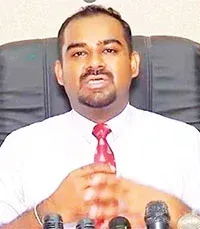
ඇතැම් රෝහල් වෛද්යවරුන් සංඛ්යාව සම්බන්ධව යාවත්කාලීන විගණනයක් වසර දහයකින් කර නැහැ – රජයේ වෛද්යවරුන්ගේ සංගමයේ මාධ්ය ප්රකාශක වෛද්ය චමිල් විජේසිංහ
වෛද්යවරුන්ටත් රැකියා අහිමිවෙයි
මෙතෙක් කාලයක් මෙරට සෞඛ්ය ක්ෂේත්රයෙන් ඇසෙන්නේ රෝහල් පද්ධතිය තුළ තිබූ වෛද්යවරුන්ගේ හිඟය, විශේෂඥයන්ගේ හිඟය, බෙහෙත් හිඟය ගැනය. එම හිඟයන් හේතුවෙන් මෙරට ප්රධාන රෝහල් ඇතුළු අනෙකුත් රෝහල් වල ශල්යකර්ම ඇතුළු අත්යවශ්ය ප්රතිකාර සේවාවන්ට දැඩි බාධා එල්ලවී තිබූ බව ද ප්රසිද්ධ රහසක් ය. දැන් ඇසෙන්නට ඇත්තේ ඉතිහාසයේ ප්රථම වතාවට මෙරට වෛද්යවරුන්ට සිය රැකියා අහිමිවන කතාවකි. ඒ ඉදිරි කාලසීමාව තුළ මෙරට වෛද්ය උපාධිධාරීන්ට රැකියා නොමැති වී යෑමේ දැඩි සහ බරපතළ අවදානමක් නිර්මාණය වෙමින් පවතින බව දැන් සෞඛ්ය ක්ෂේත්රයේ විදග්ධ මූලාශ්ර අනාවරණය කර තිබීමය.
එහි පෙන්වාදී ඇත්තේ නිශ්චිත අනාගත සැලසුමකින් තොරව, වෛද්යවරුන් වෙනුවෙන් සෞඛ්ය අමාත්යාංශය අනුමත කර ඇති පුරප්පාඩු සංඛ්යාව ද ඉක්මවා යමින් වෛද්ය වෘත්තිකයන් බිහිකිරීම මෙයට එක් හේතුවක් බවය. තව ද වත්මන් අවශ්යතාවයට සරිලන පරිදි අනුමැතිය ලබාදිය යුතු වෛද්යවරුන් සංඛ්යාව සම්බන්ධයෙන් යාවත්කාලීන විගණනයක් (Carder Revision) සිදු නොකිරීම ද මෙකී අර්බුදය උග්රවන්නට හේතුවක් බව එම මූලාශ්ර පුරෝකථනය කර තිබේ.
ඒ අනුව ඉදිරි වසර දෙක ඇතුළත මෙරට සෞඛ්ය ක්ෂේත්රයට එක්වීමට නියමිත වෛද්ය උපාධිධාරීන්ගේ සංඛ්යා ලේඛනයේ දත්ත මෙසේය. 2016 ප්රථම වාර කණ්ඩායම 1,476කි. 2016 නැවත පෙනී සිටින කණ්ඩායම 545කි. 2017 ප්රථම වාර කණ්ඩායම 1,614කි. 2017 නැවත පෙනී සිටින කණ්ඩායම 290කි. 2018 ප්රථම වර කණ්ඩායම 1,790කි. 2018 නැවත පෙනී සිටින කණ්ඩායම ද 288ක් ලෙස එහි සටහන් වී තිබිණි. එහි සඳහන් ආකාරයට වෛද්ය වෘත්තිය අපේක්ෂාවෙන් සිටින සමස්ත උපාධිධාරීන්ගේ සංඛ්යාව 5,351කට අධිකය.
සෞඛ්ය ක්ෂේත්රයේ විදග්ධ මූලාශ්රයන් පෙන්වා දෙන ආකාරයටම මෙම අර්බුදයට ප්රධානම හේතුව වී ඇත්තේ අනාගත සැලසුමකින් තොරව, වත්මන් අවශ්යතාවයට සරිලන පරිදි අනුමැතිය ලබාදිය යුතු වෛද්යවරුන් සංඛ්යාව සම්බන්ධව යාවත්කාලීන විගණනයක් සිදු නොකිරීම බව රජයේ වෛද්යවරුන්ගේ සංගමයේ (GMOA) මාධ්ය ප්රකාශක වෛද්ය චමිල් විජේසිංහ ද කියන්නෙකි. හෙතෙම වැඩිදුරටත් කියන්නේ වෛද්යවරුන් වෙනුවෙන් සෞඛ්ය අමාත්යාංශය අනුමත කර ඇති පුරප්පාඩු සංඛ්යාව ඉක්මවා යමින් වෛද්ය වෘත්තිකයන් බිහිකිරීම හා සෞඛ්ය අංශයේ බඳවා ගැනීම්වල පවතින ගැටලු අද වනවිට මේ තත්ත්වය තවත් උග්රඅතට පත්කර තිබෙන බවය.
“මේ වනවිට ලංකාවේ වාර්ෂිකව රාජ්ය වෛද්ය විද්යාල වලින් වෛද්යවරුන් දෙදහසකට ආසන්න ප්රමාණයක් පිට වෙනවා. ඊට අමතරව විදේශීය වෛද්ය පීඨ වලින් වෛද්ය උපාධිය අරගෙන මෙරටට ඇවිත් නැවත සුදුසුකම් ලැබීමේ විභාගයට මුහුණදෙන වෛද්ය කණ්ඩායමත් 500-600ත් අතර ප්රමාණයක් වසරකට එකතු වෙනවා. මේ අවස්ථාවේදී අපි දකින දේ තමයි පසුගිය කාලයේ ඇති වුණ කොවිඩ් වසංගතය, ආර්ථික අර්බුදය වගේ ගැටලුත් එක්ක යම් කාලයක් හිරවෙලා තිබුණ වෛද්ය සිසුන්ගේ අධ්යයන කටයුතු නැවත ආරම්භ වීමත් සමඟ රජයේ වෛද්ය පත්වීම් ලබාදීමේ බැක්ලොග් එකක් තියෙනවා. ඒ කියන්නේ ළඟ ළඟ කණ්ඩායම් කිහිපයක් තමන්ගේ වෛද්ය උපාධිය දැන් අවසන් කර තිබෙනවා. දැනට එහෙම කණ්ඩායම් තුනක් සිටිනවා. ඒ රාජ්ය විශ්වවිද්යාල වලින් පිටවන කණ්ඩායම් දෙකක් හා විදේශීය උපාධි ලබපු කණ්ඩායමත්, ලබන සැප්තැම්බර් වනවිට තවත් කණ්ඩායමක් මේ ගොඩට එකතු වෙනවා. සාමාන්යයෙන් වෛද්ය උපාධිය අවසන් කළාට පසුව ශ්රී ලංකා වෛද්ය සභාවේ තාවකාලින ලියාපදිංචියක් තිබෙනවා. ඊට පසුව තමයි සෞඛ්ය අමාත්යාංශය මැදිහත්වෙලා ඒ අයට සීමාවාසික පුහුණුව ලබා දෙන්නේ. ඒ කියන්නේ අවුරුද්දක පුහුණුවක්. ඒ වගේම ඒ පුහුණුව ලබා දෙන්න ලංකාවේ හැම රෝහලකම බැහැ. ඒකට රෝහලක ප්රධාන විෂ්ය ක්ෂේත්ර හතරම ආවරණය විය යුතුයි. ඒ කියන්නේ එහි විශේෂඥ වෛද්යවරුන් දෙදෙනකු බැගින් සිටිය යුතුයි. නිෂ්චිත ඇඳන් ප්රමාණයක්, රෝගීන් ප්රමාණයක් තිබිය යුතුය කියන විශේෂ නිර්ණායක කිහිපයක් තිබෙනවා. ඒ වගේම ඒ අයට රෝහල් තුළ නවාතැන් පහසුකම් සැපයිය යුතුයි. ලංකාවේම එහෙම රෝහල් තියෙන්නේ 65යි. ඒ ගාන බොහොම සීමිත සංඛ්යාවක්.
මේ රෝහල් වල අවුරුද්දටම ගත්තොත් දළ වශයෙන් වෛද්ය සිසුන් 2000කට විතරයි පුහුණුව දෙන්න පුළුවන්. මෙන්න මේ කියන හේතු එක්ක තමයි මේ වෛද්ය පත්වීම් ලබාදීමේ ක්රියාවලිය දැන් අඩපණ වී තිබෙන්නේ. සාමාන්යයෙන් එක කණ්ඩායමක් අවසන් කළාම තමයි තවත් කණ්ඩායමකට සීමාවාසික පුහුණුව ලබා දෙන්නේ. දැන් සිදුවෙලා තියෙන්නේ එක පැත්තකින් විශාල වෛද්යවරුන් ප්රමාණයක් එළියට එනවා. ඒ නිසා අනික් පැත්තෙන් වෛද්ය සිසුන්ට සීමාවාසික පුහුණු ලබාදීමේ ගැටලුවක් මතුවෙලා තියෙනවා. මේ වනවිට වෛද්ය සිසුන් කණ්ඩායම් තුනක් එළියේ ඉන්නවා තමන්ගේ වෛද්ය උපාධිය අවසන් කරපු. එතන රාජ්ය වෛද්ය පීඨවල වෛද්යවරු දෙසීයකට ආසන්න ප්රමාණයක් හා තව කනිෂ්ඨ කණ්ඩායමේ 1200ක් විතර ඉන්නවා. ඊට අමතර විදෙස්ගතව වෛද්ය උපාධිය ලබාගත් කණ්ඩායමත් ඉන්නවා. මෙතනදී ඔය කියන කණ්ඩායම් තුනටම ප්රමිතිගත සීමාවාසික පුහුණුව ලබාදීමේදී ලොකු ගැටලුවක් මතුවෙලා. මෙතන රාජ්ය වෛද්ය පීඨවල දෙසීයකට නොවැඩි වෛද්ය සිසුන් කණ්ඩායමගේ අවසන් විභාගය අවසන් වන්නේ 2025 ජුනි මාසයේදී. ඒ කියන්නේ දැන් වසරකටත් වැඩියි තමන්ගේ සීමාවාසික වෛද්ය පත්වීම් නොමැතිව. අනෙක් කණ්ඩායම වෛද්ය උපාධිය අවසන් කළේ 2025 සැප්තැම්බර් මාසයේදී. ඒ වගේම විදෙස් වෛද්ය උපාධි ලබාගත් කණ්ඩායමට ප්රතිඵල ලැබී තිබුණේ 2026 පෙබරවාරි මාසයේ. ඔය විදිහට තමයි මේ වනවිට ඔය කණ්ඩායම් තුන පෙළගැසී තියෙන්නේ. මේ වෙලාවේ මේ කියන කණ්ඩයම් තුනට කොයි විදිහට ද සීමාවාසික පුහුණු දෙන්නේ, මොකක්ද එහි පිළිවෙළ කියන එක ගැන යම් කතාබහක් මතුවෙලා තිබෙනවා. අපේ රටේ වෛද්ය ආඥා පනත අනුව තමයි මේ වගේ දේවල් පිළිබඳ තීන්දු තීරණ ගන්නේ.”
වෛද්යවරයා වැඩිදුරටත් කියන්නේ සෞඛ්ය අමාත්යාංශය, ශ්රී ලංකා වෛද්ය සභාව, විශ්වවිද්යාල ප්රතිපාදන කොමිෂන් සභාව යන මේ තුනම මෙවැනි අවස්ථාවලදී දැනට තියෙන ප්රතිපාදන අනුව අවශ්ය තීන්දු තීරණ ගත යුතු බවය. ඔහු කියන අනෙක් කාරණය වන්නේ රට තුළ විශාල වශයෙන් බිහිවන වෛද්යවරුන්ගේ සීමාවාසික පුහුණුව අවසන් වූ පසු පශ්චාත් සීමාවාසික අනුයුක්ත කිරීම සිදුකළ යුතු බවය. එනම් යම් වෛද්යවරයකු සීමාවාසික පුහුණු අවසන් කළ පසු ශ්රී ලංකා වෛද්ය සභාවේ පූර්ණ කාලීන ලියාපදිංචිය සහිත වෛද්යවරයකු බවට පත්වූ පසු සාමාන්ය ආකාරයට රෝහල් වල සේවයට පත්කළ යුතුය. එහෙත් වෛද්යවරයා කියන්නේ සාමාන්යයෙන් සෞඛ්ය පද්ධතියේ අනුමත වෛද්යවරුන්ගේ සංඛ්යාව පිළිබඳ වසර තුනෙන් තුනට යාවත් කිරීමක් කළ යුතු බවත්, එහෙත් මේ වනවිට සෞඛ්ය පද්ධතියේ අනුමත වෛද්යවරුන්ගේ සංඛ්යාව වසර දහයකින්වත් වත්මන් අවශ්යතාවයට සරිලන පරිදි අනුමැතිය ලබාදිය යුතු වෛද්යවරුන් සංඛ්යාව සම්බන්ධයෙන් යාවත්කාලීන විගණනයක් (Carder Revision) කර නොමැති බවය. ඇතැම් රෝහල් 2015 වසරේ එසේ කිරීමක් සිදුකර ඇති අතර, තවත් රෝහල් 2018 වසරින් පසු කිසිදු යාවත්කාලීන විගණනයක් සිදුකර නොමැත.
ජනගහණය, රෝගීන් සංඛ්යාව, රෝහලක ඇති වාට්ටු සංඛ්යාව, විශේෂඥ වෛද්යවරුන්ගේ සංඛ්යාව, ඇඳන් සංඛ්යාව යන සියල්ල සලකා බලා යාවත්කාලීන විගණනයක් සිදු කළ යුතු බවත්, පසුගිය කාලය තුළ රෝහල් පද්ධතිය තුළ නව ක්ෂේත්ර පැමිණිය ද ඒ වෙනුවට අලුතින් වෛද්ය පත්වීම් ලබා නොදී කලින් හිටපු වෛද්යවරුන්ටම ඒ අංශවල වගකීම පැවරීම සිදුකරන බවට දැන් රජයේ රෝහල් වල වෛද්යවරුන් නගන්නේ ද චෝදනාවකි. ඔවුන් කියන්නේ රෝහල් පද්ධතිය තුළ වෛද්යවරුන් පනහක ප්රමාණයකගේ අවශ්යතාවය තිබුණ ද, ඒ වෛද්යවරුන් සිදු කරන කාර්යය භාරය දැන් වෛද්යවරුන් විසිපහකට සිදු කිරීමට සිදුව ඇති බවය. වෛද්යවරුන් කියන්නේ 2018 වසරේදී සිදු කළ යාවත්කාලීන විගණනයක් හරහා ඒ සඳහා අවශ්ය බව කියන වෛද්යවරුන්ගේ සංඛ්යාව විසිපහක් බව සඳහන්ව තිබුණ ද, රෝහල් වලට නව වාට්ටු ඒකක මේ වනවිට එකතුවී තිබීමෙන් ඒ සඳහා වෛද්යවරුන් පනහකගේ අවශ්යතාවය තිබෙන බවය. එහෙත් වෛද්යවරුන් කියන්නේ මේ මොහොත වනවිට ද ‘සිස්ටම් එක’ තුළ රෝහල් වලට අනුමත වෛද්යවරුන්ගේ සංඛ්යාවේ හිඟයක් නොපෙන්වන්නේ එය දැනට වසර අටකින් පමණ වත්මන් අවශ්යතාවයට සරිලන පරිදි අනුමැතිය ලබාදිය යුතු වෛද්යවරුන් සංඛ්යාව සම්බන්ධයෙන් යාවත්කාලීන විගණනයක් නොකිරීම නිසා බවය. ඒ කියන්නේ මේ වනවිට සේවා අවශ්යතාවයට රෝහල් තුළ වෛද්යවරුන්ගේ පවතින්නේ දැඩි හිඟයක්ය. මෙම තත්ත්වය මත අඩු වෛද්යවරුන්ගේ ප්රමාණයකින් විශාල සේවාවක් සපයන වෛද්යවරුන් කියන්නේ තමන් මේ වනවිට යම් ආකාරයකින් ‘වහල් සේවයක්’ ඉටුකරමින් සිටින බවය.
අප හා කතා කළ රජයේ වෛද්යවරුන්ගේ සංගමයේ මාධ්ය ප්රකාශකයා ද වැඩිදුරටත් කියා සිටියේ ‘කාඩර් රිවිෂන්’ එකක් නොවන්නේ නම් එහි අනිටු ප්රතිඵලයන් වන්නේ රෝහල්වල ඉහළ යන සේවා අවශ්යතාවයට සාපේක්ෂව වෛද්යවරුන් නොමැතිවීම මත රෝහල් වල සේවාවන් පවත්වා ගෙන යෑමට නොහැකි වීම බවය. අනෙක් ගැටලුව වන්නේ සීමාවාසික පුහුණු අවසන් කර පත්වීම් ලබා පැමිණෙන වෛද්යවරුන්ට ඉදිරියේදී රැකියා අහිමිවීමේ දැඩි අවදානමක් තිබෙන බවය.
සාමාන්යයෙන් වසරකට සීමාවාසික පුහුණුව අවසන් කර මෙරට සෞඛ්ය පද්ධතියට ඇතුළුවන වෛද්යවරුන්ගේ සංඛ්යාව 2000-2500 අතර පිරිසකි. එමෙන්ම වසරක් තුළ විශ්රාම යන වෛද්යවරුන් හා විදෙස් ගත වන ප්රමාණය දළ වශයෙන් දහසකට ආසන්න ය. මේ නිසා බොහෝ කලක සිට රජයේ වෛද්ය නිලධාරීන්ගේ සංගමය සෞඛ්ය අමාත්යාංශයෙන් ඉල්ලීම් කරන්නේ ද රෝහල් තුළ අනුමත වෛද්යවරුන්ගේ සංඛ්යාව සම්බන්ධයෙන් යාවත්කාලීන විගණනයක් සිදු කරන ලෙසය. ඔවුන් කියන්නේ පසුගිය කාලය තුළ වත්මන් ජනපතිවරයාගෙන් ද ඉල්ලීම් පවා මේ සම්බන්ධව කර තිබූ බවය. එහෙත් රජයේ වෛද්ය නිලධාරීන්ගේ සංගමයේ මාධ්ය ප්රකාශකවරයා කියන්නේ සෞඛ්ය අමාත්යාංශයෙන් හා කළමනාකාර කොමිෂන් සභාව හරහා සිදුවන වෛද්යවරුන්ගේ අනුමත සංඛ්යාව යාවත්කාලීන කිරීමේ අවශ්යතාවය නිසියාකාරව හඳුනාගෙන අවශ්ය තීන්දු තීරණ ගැනීමේදී පවා දැන් යම් පසුගාමී තත්ත්වයක් දැකිය හැකි බවය.
වෛද්යවරු නොමැතිවීමෙන් රෝහල් රැසක් දැඩි අර්බුදයකට ලක්වෙලා – විශේෂඥ වෛද්ය චමල් සංජීව
අලුතින් ඒකක ඇරුණට දොස්තරල නෑ
“මේ වනවිට පුළුල් වෙන සෞඛ්ය සේවාවන්ට සාපේක්ෂව, රෝගීන්ට සාපේක්ෂව අපට සේවාව ලබා දෙන්න බැරිවෙලා තියෙන්නේ රෝහල් තුළ ප්රමාණවත් වෛද්යවරුන් නොමැති වීමෙන්. කිලිනොච්චි රෝහලේ දැන් මාතෘ ඒකකයක් ආරම්භ කර තිබෙනවා. කිලිනොච්චි රෝහලේම තියෙන්නේ ඇඳන් 250යි. ඒත් අලුත් මාතෘ රෝහලේ ඇඳන් 230ක් තිබෙනවා. දැන් ඒකට කියලා වෙනම වෛද්යවරුන් අනුමත කරලා නැහැ. අර ඉන්න ටිකෙන්ම දැන් මාතෘ රෝහලේ වැඩ කරන්න වෙලා. මේක එක උදාහරණයක් විතරයි. ඒ වගේ ඕනෑ තරම් රෝහල් මෙරට සෞඛ්ය ක්ෂේත්රයේ තිබෙනවා. අලුතින් ඒකක පටන් ගත්තට දැන් ඒවට යොදවන්න වෛද්යවරුන් නැහැ.” වෛද්ය චමිල් විජේසිංහ පවතින අර්බුදය උදාහරණ ද සහිතව එසේ විස්තර කළේය.
සාමාන්ය වෛද්යවරුන් පමණක් නොව, මේ වනවිට විශේෂඥ වෛද්යවරුන්ගේ ද ලොකු හිඟයක් තිබේ. උදාහරණයක් හැටියට ගතහොත් මඩකලපුව දිස්ත්රික්කයටම නිර්වින්දන විශේෂඥ වෛද්යවරුන් සිටින්නේ එක් අයෙකු බව අපට ලැබෙන ආරංචි මාර්ග සඳහන් කළේය. එම විශේෂඥ වෛද්යවරයාම මඩකලපුව ශික්ෂණ රෝහල ඇතුළු මූලික රෝහල් හතරක රාජකාරි කළ යුතුය.
වෛද්ය හා සිවිල් අයිතිවාසිකම් වෘත්තීය සමිති සන්ධානයේ සභාපති විශේෂඥ වෛද්ය චමල් සංජීව කියන්නේ ද අද වනවිට වෛද්යවරු නොමැතිව රෝහල් වැහෙද්දී රැකියා විරහිත උපාධිධාරී පෝළිමට එකතු වන වෛද්යවරු සීඝ්රයෙන් වැඩිවන බවකි. ඔහු කියන්නේ දිවයින පුරා රෝහල් රැසක වෛද්යවරුන්ගේ හිඟය නිසා මේ වනවිට රෝගී සත්කාරක සේවා පවත්වා ගෙන යාම බරපතළ අර්බුදයකට මුහුණු පා ඇති බවය.
“අද ග්රාමීය රෝහල්, ප්රාදේශීය රෝහල්, මූලික රෝහල් හා දිස්ත්රික් හා මහ රෝහල් රැසක සේවා පවත්වා ගෙන යාමේදී මෙම වෛද්ය හිඟය බරපතළ අර්බුදයක් බවට පත්වෙලා. ඇතැම් රෝහල්වල දවසේ පැය විසිහතර පුරාම සේවය කරන්නේ එක වෛද්යවරයෙක්. සමහර රෝහල්වල සේවය කරන වෛද්යවරුන්ට නිවාඩු ලබා ගැනීමට ද දැඩි ලෙස දුෂ්කරතා මතුව තිබෙනවා. ඒ වගේම කළුතර ඇතුළු දිවයිනේ දිස්ත්රික්ක ගණනාවක රෝහල්වල විශේෂඥ වෛද්යවරුන්, නිර්වින්දන වෛද්යවරුන් ඇතුළු වෛද්යවරුන්ගේ හිඟය නිසා ශෛල්ය කර්ම, රෝගී සත්කාරක සේවා දැඩි අර්බුදයකට ලක්ව තිබෙනවා. වෛද්යවරුන්ගේ කාර්ය මණ්ඩල ප්රමාණය අනුමත වීමක් වසර ගණනාවකින් සිදුවෙලා නෑ. මේ නිසා දැනටමත් වෛද්යවරුන් පන්දහසකට ආසන්න ප්රමාණයක් රැකියා විරහිතව පෝලිමේ සිටිනවා.”
මෙරට වෛද්යවරයෙකු බිහිකිරීම සඳහා ආසන්න වශයෙන් රුපියල් ලක්ෂ දෙසීයකට ආසන්න මුදලක් රජය වියදම් කරයි. ඒ සියල්ල මෙරට මහජනතාවගේ බදු මුදල් ය. විදේශගත කර අධ්යාපනය ලබාදීම සඳහා ද එක් දරුවකු වෙනුවෙන් දෙමවුපියන් රුපියල් ලක්ෂ දෙසීයකට අධික මුදලක් වැය කරයි. මේ ආකාරයෙන් රටේ දෙමාපියන් නොකා නොබී හෝ තම දරුවන්ට අධ්යාපනය ලබා දෙන්නේ රටට වැඩදායී පුරවැසියකු බිහිකිරීමටය. රටට සේවය කරන්නටය. අප කතා කළ මේ වෛද්ය සිසුන් ද එවැනි කොට්ඨාසයක් ය. එවන් තත්ත්වයක් යටතේ ඔවුන්ට නිසි පුහුණුව ලබාදී රාජ්ය සේවයට බඳවා නොගැනීම ම මෙරට බදු මුදල් ගෙවන ජනතාවට සිදු කරන බරපතළ හානියක්ය. එසේ නම් රෝහල් තුළ වෛද්යවරුන්ගේ හිඟය විසඳීමටත්, නිදහස් සෞඛ්යයේ සැබෑ නිදහස රටේ ජනතාවට අත්කරදීමටත් නව සීමාවාසික වෛද්ය පත්වීම් ලබාදිය යුතුය. එය රටේ සෞඛ්ය පද්ධතියේ අවශ්යතාවකි.
රමින්ද මාවතගේ