

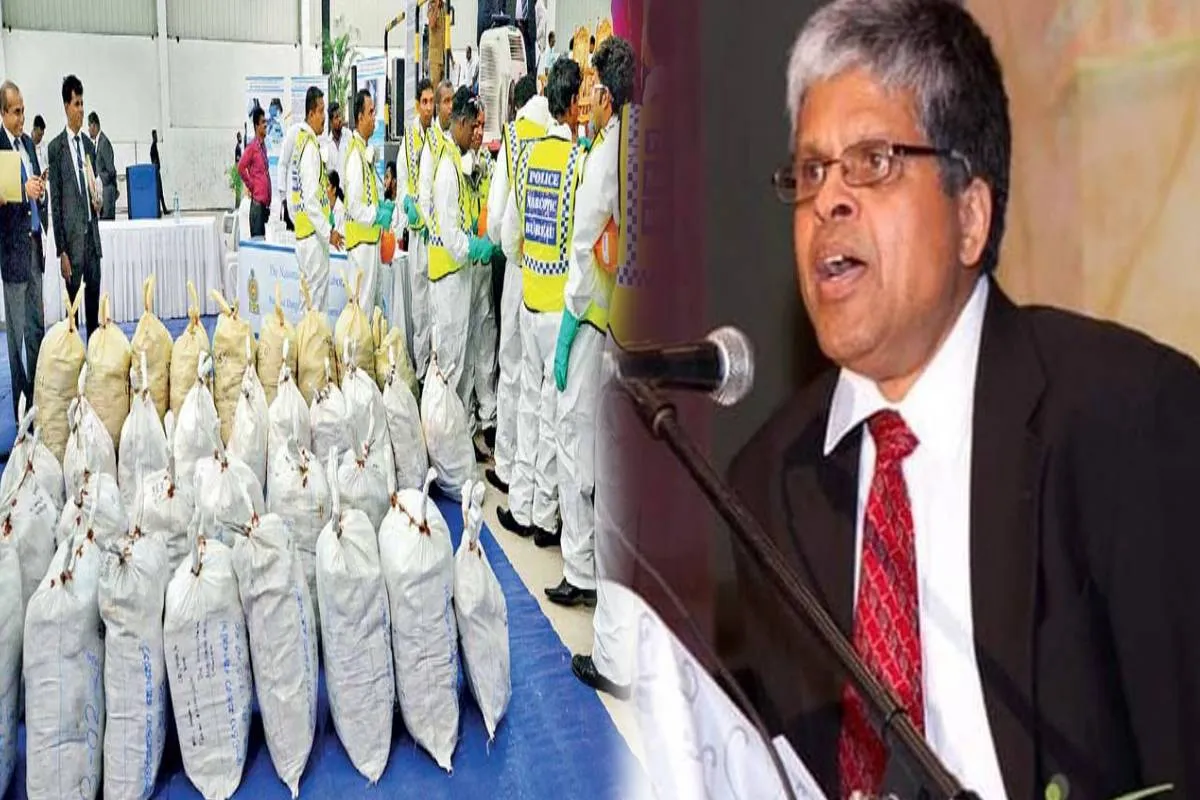
போதைப்பொருள் பாவனையானது ஒரு சமூகச் சிக்கல் என்ற நிலையில் இருந்து கடுமையான தேசிய நெருக்கடியாக உருவெடுத்துள்ளது என திருகோணமலை மாவட்ட நாடாளுமன்ற உறுப்பினர் கதிர்வேலு சண்முகம் குகதாசன் தெரிவித்துள்ளார். நேற்றைய தினம்(26.06.2026) நாடாளுமன்றில் உரையாற்றுகையிலேயே அவர் இவ்வாறு குறிப்பிட…
போதைப்பொருள் பாவனையானது ஒரு சமூகச் சிக்கல் என்ற நிலையில் இருந்து கடுமையான தேசிய நெருக்கடியாக உருவெடுத்துள்ளது என திருகோணமலை மாவட்ட நாடாளுமன்ற உறுப்பினர் கதிர்வேலு சண்முகம் குகதாசன் தெரிவித்துள்ளார்.
நேற்றைய தினம்(26.06.2026) நாடாளுமன்றில் உரையாற்றுகையிலேயே அவர் இவ்வாறு குறிப்பிட்டுள்ளார்.போதைப்பொருள் பாவனை
அவர் மேலும் உரையாற்றுகையில்,
இன்று நாடாளுமன்றத்தில் முன்வைக்கப்பட்டுள்ள போதைப்பொருள் அச்சுறுத்தலை எதிர்கொள்வது குறித்த விவாதத்தில் எனது கருத்துகளை எடுத்துரைக்க விழைகின்றேன். போதைப்பொருள் பாவனையானது ஒரு சமூகச் சிக்கல் என்ற நிலையில் இருந்து கடுமையான தேசிய நெருக்கடியாக உருவெடுத்துள்ளது.இனம், மொழி, இறைநெறி, வர்க்கம் மற்றும் புவியியல் எல்லைகளைத் தாண்டி இந்த நாட்டின் இளைஞர்களை இலக்கு வைக்கும் இந்தப் பேரிடர் ஆனது நாட்டின் சமூக, பொருளாதார மற்றும் ஒழுக்க விழுமியங்களின் அடித்தளத்தையே ஆட்டம் காண வைத்துள்ளது.
இந்தச் சிக்கலானது வெறும் சட்ட ஒழுங்கு சார்ந்ததாக மட்டுமன்றி, ஒரு பன்முகத்தன்மை கொண்ட சமூகச் சிக்கலாகவும் காணப்படுகின்றது.
கடந்த காலங்களில் இருந்தது போன்று அன்றி, இன்றைய சூழலில் செயற்கை போதைப்பொருட்களின் (Synthetic drugs) வருகை மற்றும் இணையவழி போதைப்பொருள் வணிகம் ஆகிய புதிய அறைகூவலாக உருவெடுத்துள்ளன.குறைந்த வருமானம் பெறுவோர் அவையில் இந்தச் சிக்கல் குறித்து விவாதிக்கும் வேளையில், அரசியலுக்கு அப்பால் சென்று, இலங்கையின் தேசிய போதைப்பொருள் கட்டுப்பாட்டு உத்தியை துல்லியமாகவும் புறநிலையாகவும் மதிப்பீடு செய்து செயலாற்ற வேண்டும்.
இலங்கையின் பொலிஸார் மற்றும் கடற்படையினர் தொடர்ந்து முயன்ற பொழுதிலும், இந்த நடவடிக்கையின் முடிவுகளை இந்தச் சபை புறநிலையாக ஆராய வேண்டியது இன்றியமையாததாகும். 2026 ஆம் ஆண்டின் நடுப்பகுதிக்குள், அரசால் பெருமளவானோர் கைது செய்யப்பட்டுள்ள பொழுதிலும் கைது செய்யப்பட்டவர்களில் பெரும்பாலானோர் குறைந்த வருமானம் பெறும் தெருமட்டப் பயனாளிகளும், சிறு அளவிலான வணிகர்களுமே ஆவர். இவர்கள் பெரும்பாலும் தமது பாவனைக்காக வைத்திருந்த மிகச்சிறிய அளவிலான போதைப்பொருட்களுக்கான தண்டப்பணத்தைச் செலுத்த முடியாமையினாலேயே சிறைகளில் வாடுகின்றனர்.
பாதுகாப்பை மட்டுமே முதன்மைப்படுத்திய இந்த அணுகுமுறை, இலங்கையின் சிறைச்சாலைகளில் கடுமையான நெரிசலை ஏற்படுத்தியுள்ளது.போதைப்பொருள் வணிகத்தால் ஈட்டப்படும் பணம்
அதேவேளையில், பன்னாட்டு போதைப்பொருள் கடத்தல் மன்னர்களும், அவர்களுக்கு உள்நாட்டில் துணை போகிறவர்களும் குறியாக்கம் செய்யப்பட்ட (encrypted) எண்மியத் தொடர்பாடல்களையும், எண்மிய பணப் கொடுக்கல் வாங்கல் முறைகளையும் பயன்படுத்தி வெளிநாடுகளில் இருந்தவாறே தமது நடவடிக்கைகளைத் தொடர்ந்தும் முன்னெடுத்து வருகின்றனர்.
அரசு தெருமட்ட சோதனைகளில் மட்டுமே கூடுதல் கவனம் செலுத்துகின்றது. அதேநேரம் எல்லை கடந்த போதைப்பொருள் வழங்கலின் முதன்மையான வலையமைப்புகள் எவ்வித பாதிப்புமின்றி அப்படியே நீடிக்கின்றன. இந்தப் போதைப்பொருள் நெருக்கடியின் தாக்கம் வடக்குக் கிழக்குப் பகுதிகளில் மிகக் கடுமையாக உணரப்படுகின்றது.
போதைப்பொருள் வணிகத்தின் மூலம் ஈட்டப்படும் பணம், இலங்கையின் அரச எந்திரத்திற்குள்ளும் ஊடுருவியுள்ளதாகக் குற்றம் சாட்டப்படுகின்றது.
இது கடத்தல்காரர்கள் சிறைச்சாலைச் சுவர்களுக்குள் இருந்துகொண்டே தங்களது வலையமைப்புகளைத் தொடர்ந்து வழிநடத்துவதற்கு வழிவகுத்துள்ளது.போதைப்பொருள் கட்டுப்பாட்டு போதைப்பொருள் கட்டுப்பாட்டுக்கு பொறுப்பான அரச முகவர் அமைப்புகளை அரசு வலுப்படுத்த வேண்டும், தூய்மைப் படுத்தவேண்டும்.
உள்ளக ஊழல்களுக்கு அரசு தீர்வு காணாவிடில், வெளியில் காட்டப்படும் அதிரடிச் சோதனைகள் யாவும் பயனற்றவை ஆகவே அமையும்.
2022 ஆம் ஆண்டின் 41 ஆம் எண் இட்ட நச்சுப் பொருட்கள், அபின் மற்றும் ஆபத்தான மருந்துகள் திருத்தச் சட்டமானது, மெதாம்பேட்டமின் (Methamphetamine - Ice) அச்சுறுத்தலை ஏற்றுக்கொள்வதன் மூலம் ஒரு முதன்மையானமான படியை எடுத்திருந்த பொழுதிலும் அதன் கடுமையான பிணை விதிகள் இலங்கையின் நீதித்துறையில் பெரும் முட்டுக்கட்டைகளை உருவாக்கியுள்ளன. அரச ஆய்வாளர் அறிக்கைகள் தாமதம் ஏற்பட்டாலோ அல்லது நடைமுறை அடிப்படையிலான தவறுகள் ஏற்பட்டாலோ, சந்தேக நபர்கள் வழக்கு இன்றிப் பல மாதங்கள் அல்லது ஆண்டுக் கணக்கில் விளக்கமறியலில் வைக்கப்படும் நிலை உருவாகியுள்ளது.இதேவேளை, அரசின் மறுவாழ்வு (Rehabilitation) அணுகுமுறையானது இராணுவத் தலைமையிலான கட்டமைப்பு மாதிரியை தொடர்ந்தும் நம்பியிருக்கின்றது.இராணுவ ஒழுக்கக் கட்டுப்பாடு இருப்பினும், மருத்துவ வல்லுநர்களும் மனித உரிமை ஆர்வலர்களும் போதைப்பொருள் பழக்கத்தை ஒரு மருத்துவ மற்றும் உளவியல் அடிப்படையிலான குறைபாடாகவே கருத வேண்டுமே அன்றி, அதற்கு இராணுவ ஒழுக்கக் கட்டுப்பாடு என்பது முறையான தீர்வாகாது என்பதைத் சுட்டிக்காட்டி வருகின்றனர்.
இதன் பொருட்டாக நான் பின்வரும் பரிந்துரைகளை முன்வைக்கின்றேன். முதலாவதாக, ஒருவர் தனது பயன்பாட்டுக்காக சிறிதளவுபோதைப் பொருள் வைத்திருப்பதை குற்றமற்றதாக்க வேண்டும்.
இத்தகையோரை, சுகாதார வல்லுநர்களால் நடத்தப்படும் தன்னார்வ, சமூக அடிப்படையிலான மருத்துவத் திட்டங்களுக்கு ஆற்றுப்படுத்த வேண்டும்.
இரண்டாவதாக, இலங்கையின் மறுவாழ்வு அமைப்பானது குடிசார் மற்றும் மருத்துவத் தலைமைகளின் கீழ் இயங்க வேண்டும் என்பதோடு அனைத்து சிகிச்சை முறைகளும் சான்றுகள் மற்றும்பண்பாட்டு அடிப்படையை உள்ளடக்கியதாகவும் இரு ஆட்சிமொழிகளிலும் முழுமையாகக் கிடைக்கப் பெறுவதாகவும் அமைய வேண்டும்.போதைப்பொருள் பகுப்பாய்வு அறிக்கை மூன்றாவதாக, சட்டச் செயலாக்க வளங்களை போதைப்பொருள் கடத்தல் வலையமைப்புத் தலைவர்களின் சொத்துக்கள் மற்றும் கடத்தலுக்குப் பயன்படுத்தப்படும் வழிமுறைகள் ஆகியவற்றை இலக்கு வைக்கும் நோக்கில் திசைதிருப்ப வேண்டும்.
நான்காவதாக, அனைத்து முதன்மையான துறைமுகங்கள் மற்றும் விமான நிலையங்களில் நவீன, அதிவேக ஸ்கேனர்களை நிறுவுவதன் மூலம் இலங்கையின் எல்லைப் பாதுகாப்பு உட்கட்டமைப்பை மேம்படுத்த வேண்டும். நீதிமன்ற முடிவுகளைத் தாமதப்படுத்தும் போதைப்பொருள் பகுப்பாய்வு அறிக்கைகளை விரைந்து வழங்குவதற்குத் தேவையான நவீன கண்டறியும் கருவிகளை அரச இரசாயன பகுப்பாய்வாளர் திணைக்களம் மற்றும் தேசிய போதைப்பொருள் ஆய்வகம் ஆகியவற்றுக்கு வழங்க வேண்டும்.
ஐந்தாவதாக, எல்லாவற்றுக்கும் மேலாக பொதுமக்களுக்கு போதைப்பொருள் பாவனை பற்றியும் அதனால் ஏற்படும் விளைவுகள் பற்றியும் விழிப்புணர்வை ஏற்படுத்த ஆவன செய்ய வேண்டும்.
போதைப்பொருள் அச்சுறுத்தலுக்கு இரக்கமுள்ள, அறிவார்ந்த மற்றும் ஒருங்கிணைந்த செயற்பாடு இன்றியமையாதது ஆகும்.
மக்களை கைது செய்வதன் மூலம் மட்டும் இந்த நெருக்கடியிலிருந்து மீண்டுவிட முடியாது.மனிதாபிமான அடிப்படையிலான ஆதரவு
போதைப்பொருள் வழங்கலின் உண்மையான மூல ஆதாரங்களை இலக்கு வைப்பதற்கான சட்டச் சீர்த்திருத்தங்களை நடைமுறைப்படுத்த வேண்டும்.அதே நேரத்தில், போதைப்பொருள் பாவணையால் பாதிக்கப்பட்ட இலங்கையின் குடிமக்கள் குணமடைந்து மீண்டும் சமூகத்துடன் இணைவதற்கத் தேவையான உண்மையான, மனிதாபிமான அடிப்படையிலான ஆதரவை வழங்க வேண்டும். சமூக சிக்கல் என்ற நிலையிலிருந்து தேசிய நெருக்கடியாக மாறியுள்ள போதைப்பொருள் அச்சுறுத்தலை அரசுப் படைகள், அரச அதிகாரிகள் அல்லது அரச அமைப்புகளால் மட்டும் எதிர்கொள்ள முடியாது.
போதைப்பொருளுக்கு எதிரான அரச சார்பற்ற அமைப்புகள், ஆசிரியர்கள், பெற்றோர், இளையோர் அமைப்புகள், சமூக நலன் நாடும் அமைப்புகள், சமய நிறுவனங்கள், சமயத் தலைவர்கள், அரசியல்வாதிகள் உள்ளிட்ட அனைவரும் ஒன்றிணைந்து உறுதியோடு செயற்பட்டால் மட்டுமே போதைப்பொருள் அச்சுறுத்தலை எதிர்கொள்ளலாம் என கூறியுள்ளார்.