

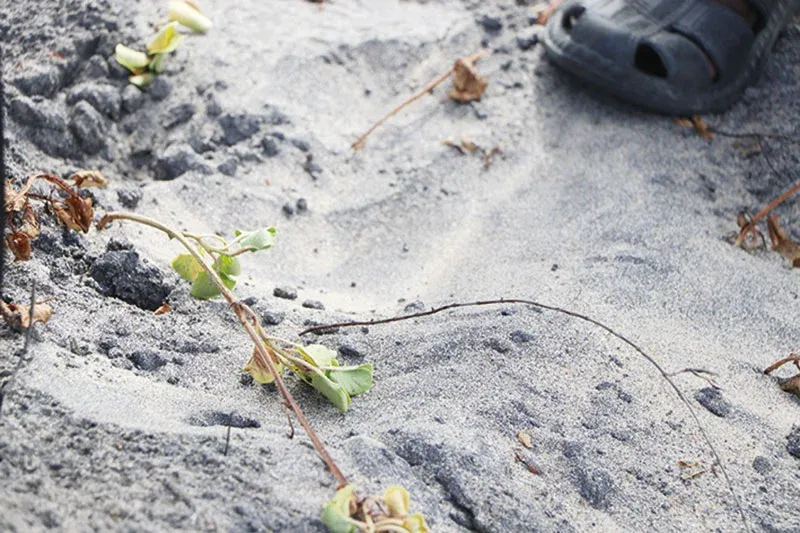
ශ්රී ලංකාවේ ඛනිජවලින් පොහොසත් වෙරළ තීරය ඉල්මනයිට්, රූටයිල්, සර්කෝන්, මොනසයිට් සහ ගානට් ඇතුළු වටිනා බර ඛනිජ වැලිවලින් බහුල ය. වර්තමානය වන විට ගෝලීය ඉදිකිරීම් ක්ෂේත්රය, මෝටර් රථ කර්මාන්තය සහ ලෝකය පුරා වේගයෙන් සිදුවන හරිත බලශක්ති පරිවර්තනය (Green Energy Transition) හේතුවෙන් මෙම ඛ…
ශ්රී ලංකාවේ ඛනිජවලින් පොහොසත් වෙරළ තීරය ඉල්මනයිට්, රූටයිල්, සර්කෝන්, මොනසයිට් සහ ගානට් ඇතුළු වටිනා බර ඛනිජ වැලිවලින් බහුල ය. වර්තමානය වන විට ගෝලීය ඉදිකිරීම් ක්ෂේත්රය, මෝටර් රථ කර්මාන්තය සහ ලෝකය පුරා වේගයෙන් සිදුවන හරිත බලශක්ති පරිවර්තනය (Green Energy Transition) හේතුවෙන් මෙම ඛනිජ වැලි සඳහා ලෝක වෙළෙඳපොළ තුළ ඇත්තේ ඉහළ ඉල්ලුමකි. මෙම පසුබිම තුළ, ශ්රී ලංකා රජය ද මෑතකදී සිය නව ජාතික ඛනිජ ප්රතිපත්තිය ප්රකාශයට පත් කළේ, අමුද්රව්ය එලෙසින්ම පිටරට පැටවීම වෙනුවට අපනයනයට පෙර ඒවාට ‘අගය එකතු කිරීමක්’ (Value Addition) සිදු කිරීම කෙරෙහි මූලික අවධානය යොමු කරමිනි. කෙසේ වෙතත්, ඇතැම් බහුජාතික සමාගම් විසින් මෙම සම්පත් ලබා ගැනීමට දරන තිරසාර නොවන උත්සාහයන් පාරිසරික කණ්ඩායම් සහ සිවිල් සමාජ සංවිධානවල දැඩි පරීක්ෂාවට ලක්ව ඇත.
ශ්රී ලංකාවේ වෙරළබඩ කලාප
රැසක පවතින මෙම ගෝලීය සහ ජාතික මට්ටමේ මතභේදයේ සැබෑ බිම් මට්ටමේ කැඩපතක් බඳු එක් සුවිශේෂී ප්රදේශයක් වන්නේ අම්පාර දිස්ත්රික්කයේ නැගෙනහිර වෙරළ තීරයට වන්නට පිහිටි තිරුක්කෝවිල් ය.
පරම්පරා ගණනාවක් තිස්සේ තිරුක්කෝවිල්හි ජන ජීවිතය ගෙවී ගියේ මහා සයුර, ජීවයෙන් පිරි කලපුව සහ සශ්රීක ගොවිබිම් අතරය. මෙම ප්රදේශය පවුල් 11,000කට අයත් 33,000ක පමණ ජනගහනයකට සෙවණ සලසන අතර, ඔවුන්ගෙන් බහුතරයක් සිය ජීවනෝපාය සරිකර ගන්නේ වී ගොවිතැන, රටකජු වැනි බෝග වගාව, සත්ව පාලනය සහ දේශීය කලපු මෙන්ම මහා සාගරය ඇසුරින් සිදුකරන ධීවර කර්මාන්තයෙනි.
කෙසේ වෙතත්, අද වන විට ඔවුන් පය ගසා සිටින වැලි කැටය පවා අයිති කරගැනීම වෙනුවෙන් නිහඬ සටනක් නිර්මාණය වෙමින් පවතී. භූ විද්යාත්මක සමීක්ෂණවලට අනුව, මෙම වෙරළ තීරය ද ඉහළ වටිනාකමකින් යුත් ඛනිජ වැලිවලින් පොහොසත් ය. මෙම වැලි කැණීමෙන් රටට විශාල මුදලක් ලැබෙන බව පවසමින් විදේශීය සමාගම් තර්ක කරන අතර, ප්රදේශවාසීන් බියෙන් පසුවන්නේ මේ හේතුවෙන් තමන්ගේ මුළු ජීවිතයම රැඳී පවතින ස්වභාවික පරිසරය මුළුමනින්ම විනාශ වී යනු ඇතැයි කියාය.
මෙම බිය සහ ගැටලුවේ බරපතළකම වටහාගැනීම පිණිස, අප තිරුක්කෝවිල් බලා සංචාරය කළෙමු.
පළාත් පාලනයේ පවුර
යෝජිත ඛනිජ වැලි කැණීම් ව්යාපෘතිය දැඩි ලෙස විවේචනය කරන තිරුක්කෝවිල් ප්රාදේශීය සභාවේ සභාපති එස්. සසිකුමාර් මහතා මෙසේ පැවසීය.
“2021 වසරේදී ‘දම්සිලා’ සමාගම ඉල්මනයි” කැණීම් සඳහා ආ වෙලාවේ පරිසරයට සහ ආර්ථිකයට හානි වන නිසා ජනතාව එය සම්පූර්ණයෙන්ම ප්රතික්ෂේප කළා. අපේ මිනිස්සු පුල්මුඩේ ප්රදේශයට සිදු වූ විනාශය ගැන හොඳින්ම දන්නවා. මහා පරිමාණ ඛනිජ නිස්සාරණයකින් මෙහි භූ දර්ශනය සහ ජල සම්පත සදහටම විනාශ වෙයි කියන බය ඔවුන්ට තියෙනවා.”
“මේ දක්වා අපේ ප්රාදේශීය සභාවෙන් මේ සඳහා කිසිදු අවසරයක් ලබා දී නැහැ. සමාගම විවිධ ප්රකාශ කළත්, අප දන්නා තරමින් මේ ව්යාපෘතියට අදාළ අවසාන පාරිසරික අනුමැතිය මෙතෙක් නිකුත් කර නැහැ. 2025 ඔක්තෝබර් දිස්ත්රික් සම්බන්ධීකරණ කමිටුවේදී ද මේ ගැන ස්ථිර තීරණයකට ආවේ නැහැ. ඒ වගේම “ඇතැම් පුද්ගලයන් මේ ව්යාපෘතියට පක්ෂව කතා කරනවා විය හැකියි. නමුත් ඔවුන්ගෙන් බහුතරයක් මේ ප්රදේශයේ ජීවත් වන අය නොවෙයි. ප්රදේශයේ සැබෑ වැසියන්ගේ අතිමහත් බහුතරයකගේ මතය වන්නේ මෙයට විරුද්ධ වීමයි. මෙහි ජීවත්වන මිනිසුන්ගේ කැමැත්තක් නැත්නම්, මෙවැනි ව්යාපෘතියක් ඉදිරියට ගෙන යන්නේ කොහොමද?”
ප්රදේශවාසීන් මොනවද කියන්නේ?
වෙරළ තීරයේ සිටගෙන, තිරුක්කෝවිල් ප්රාදේශීය සභා මන්ත්රී ප්රභාකරන් යෝගරාසා මහතා අපට පෙන්වා දුන්නේ මෙම කලාපයේ ආර්ථිකය මෙන්ම පරිසර පද්ධතිය ද හැඩගස්වන ජල මාර්ග පද්ධතියයි.
“මේක නිකම්ම නිකන් වෙරළ තීරයක් විතරක් නෙවෙයි. වැදගත් ජල මාර්ග තුනක් මුහුදට එකතු වෙන්නේ මෙතනින්. ඒ තමයි ‘චින්න මුහත්තුවාරම්, පෙරිය මුහත්තුවාරම් සහ කෝරළෙයි කලපුව” ඔහු පැවසීය.
කෝරළෙයි කලපුව මෝය ප්රදේශය ධීවරයන්ට විශේෂයෙන්ම වැදගත් වේ. යෝගරාසා පවසන පරිදි ධීවර පවුල් 3,000ක් පමණ සිය ජීවනෝපාය සඳහා සෘජුවම මේ දියකඩ මත යැපෙති. එමෙන්ම මෙම කලාපය පුළුල් කඩොලාන පරිසර පද්ධතියකට සහ විවිධ ජලජ ජීවී විශේෂ රැසකට නවාතැන් සපයයි.
එම ප්රදේශය පුරා අපව කැඳවාගෙන යමින් යෝගරාසා මහතා විස්තර කළේ ස්වභාවික පරිසරය සමග දැඩිව බද්ධ වුණු ජන ජීවිතයකි. ධීවර කර්මාන්තයට අමතරව පවුල් සිය ගණනක් කෘෂිකර්මාන්තයේ නියැලෙති. මෑත වසරවලදී මහා පරිමාණයෙන් ව්යාප්ත වූ රටකජු වගාව ඔවුන්ගේ ප්රධාන ආදායම් මාර්ගයක් බවට පත්ව ඇත. මීට අමතරව පොල් වගාව ද ඔවුන්ගේ ආර්ථිකයට සලසන්නේ මහඟු දායකත්වයකි.
ඛනිජ නිස්සාරණය පිළිබඳ මේ විවාදය අලුත් එකක් නොවන බව ද ඔහු සඳහන් කළේය.
“මම දන්න තරමින් මේ ගැටලුව අවුරුදු විස්සක විතර ඉඳලා තියෙනවා. විවිධ ආණ්ඩු යටතේ විවිධ කාලවලදී එක එක සමාගම් ආවා. නමුත් මිනිස්සු දිගින් දිගටම මේකට විරුද්ධ වුණේ තමන්ගේ ජීවනෝපායට සිදුවන බලපෑම ගැන තියෙන බය නිසයි.”
යෝගරාසා විශ්වාස කරන්නේ මෙම ප්රදේශයේ අනාගතය රැඳී ඇත්තේ කෘෂිකර්මාන්තය සහ ධීවර කර්මාන්තය මත පමණක් නොව, සංචාරක කර්මාන්තය මත ද වන බවයි. කලපු, ජල මාර්ග, පක්ෂි ජීවිතය සහ වෙරළබඩ සුන්දරත්වය නිසාම තවමත් ප්රයෝජනයට නොගත් විශාල සංචාරක විභවයක් මේ කලාපය සතු බව ඔහු දකියි. කලපු ආශ්රිත බෝට්ටු සංචාර, පක්ෂීන් නැරඹීම සහ පරිසර හිතකාමී සංචාරක ව්යාපෘති (Eco-tourism) මගින් දේශීය ජනතාවට නව ආර්ථික අවස්ථා උදාකර දිය හැකි බව ඔහුගේ අදහසයි.
“පොතුවිල් තියෙන්නේ අපිට ඉතාම කිට්ටුවෙන්. ඒකට ලෝකය පුරාම ඉන්න සංචාරකයෝ එනවා. තිරුක්කෝවිල්වලටත් තියෙන්නේ ඒ වගේම ස්වභාවික සුන්දරත්වයක් සහ පාරිසරික වටිනාකමක්. පොතුවිල් එන සංචාරකයන්ව ලේසියෙන්ම මේ පැත්තටත් ගෙන්වා ගන්න පුළුවන්. මේ සම්පත් විනාශ කරන්නේ නැතුව, ඒවා ආරක්ෂා කරගෙන ප්රදේශයේ ජනතාවට තිරසාර ආදායම් මාර්ග හදලා දෙන ක්රම ගැනයි අපි හිතන්න ඕනේ.”
එබැවින් බොහෝ වැසියන්ට මෙම සාකච්ඡාව වැලිකැට යට සැඟවී ඇති ඛනිජ නිධි ගැන පමණක් නොවේ. එය ශ්රී ලංකාවේ නැගෙනහිර වෙරළ තීරයේ සිදුවිය යුත්තේ කෙබඳු ආකාරයේ සංවර්ධනයක්ද යන්න සහ ප්රදේශයේ අනාගත දැක්ම පිළිබඳව කෙරෙන මත ගැටුමකි.
තිරුක්කෝවිල් ධීවර සංගමයේ සභාපති පරසුරාමන් මදන් මහතා පැවසුවේ, ඛනිජ වැලි කැණීමේ ව්යාපෘති සඳහා ප්රජා සහයෝගය ලබා ගැනීමට වසර ගණනාවක සිට උත්සාහයන් දරමින් සිටින බවයි.
“අපි සංගමයේ නිලතල දරන කාලයේ ‘දම්සිල’ කියන සමාගමේ නියෝජිතයෝ පහළොස් වතාවකට වඩා අපව හමුවුණා. මේ ව්යාපෘතියට පක්ෂව මිනිස්සු සිය දෙනෙකුගේ අත්සන් එකතු කරලා දෙන්න කියලා ඔවුන් අපෙන් ඉල්ලා සිටියා” ඔහු පැවසීය.
මදන් මහතාට අනුව, සමාගම විසින් ධීවරයන්ට බෝට්ටු, ධීවර දැල්, මාර්ග සහ ජල පහසුකම් ඇතුළු විවිධ ආධාරක වැඩසටහන් රැසක් ලබාදීමට යෝජනා කර ඇත.
“ඔවුන් ධීවර පවුල්වලට එක එක විදියේ උදව් කරන්න පොරොන්දු වුණා. නමුත් අපි ඒ සියල්ල ප්රතික්ෂේප කළා. එදා ඉඳන් අද වෙනකම් අපේ සංගමය ඉන්නේ ඒ එකම ස්ථාවරයේ.”
එමෙන්ම ‘කැපිටල් මෙටල්ස්’ (Capital Metals) සමාගම විසින් මෙම ප්රදේශයේ පවත්වාගෙන යෑමට සැලසුම් කර ඇති කාර්යාලයක් පිළිබඳව ද මදන් මහතා තම කනස්සල්ල පළ කළේය.
ඔහුට අනුව, එම පරිශ්රය මුලින් පළාත් පාලන ආයතනයෙන් අවසර ලබාගෙන ඇත්තේ උකස් මධ්යස්ථානයක් සඳහා බවත් ඔවුන් පසුව වෙනත් අරමුණක් සඳහා එම ගොඩනැඟිල්ල භාවිතා කිරීමට උත්සාහ කිරීමත් සමග ප්රාදේශීය සභාව එම ව්යාපාරික ස්ථානයේ “මෙය නීති විරෝධී” බව සඳහන් කරමින් දැන්වීමක් අලවන්නට කටයුතු කර තිබෙනවා.
ස්වභාවධර්මයේ ‘බැංකුව’
බොහෝ ප්රදේශවාසීන්ට අනුව, ඛනිජ වැලි කැණීම පිළිබඳ මෙම සංවාදයට පදනම වී ඇත්තේ තාක්ෂණික වාර්තා නොව, වෙනත් ප්රදේශවලින් උගත් තිත්ත පාඩම් ය.
කෝරරෑකලප්පු මෝය අසල ජීවත්වන 66 හැවිරිදි ධීවරයකු වන පරසුරාමන් මහතා තම අතීත අත්දැකීමක් මෙසේ ආවර්ජනය කළේය: “මගේ මුළු ජීවිතයම ගෙවුණේ ධීවර රක්ෂාවෙන්. මේ මහා මුහුදයි, කලපුවයි තමයි අපේ බැංකුව. මට මතකයි 1997 වසරේදී රාජ්ය නොවන සංවිධානයක් හරහා හලාවත ප්රදේශයේ ඉස්සන් හා කකුළුවන් වගා ව්යාපෘති නිරීක්ෂණය කරන්න අපිට අවස්ථාව ලැබුණා. අපිව ඒ ප්රදේශයට එක්කගෙන ගියා. එහිදී මගේ මතකයේ තදින්ම සනිටුහන් වුණේ එම ඉස්සන් වගා ක්රම නෙවෙයි, එහේ මිනිස්සු බොන්න වතුර පවා නැතිව විඳපු දුකයි. කෘෂිකර්මාන්තයට තබා බොන්න වතුර පවා ගේන්න වුණේ ගොඩක් ඈත පළාත්වලින්. වසර ගණනාවක් තිස්සේ සිදුවුණු දේවල් නිසා එහේ භූගත ජලය දූෂණය වෙලා තියෙනවා කියලා මිනිස්සු අපිට කිව්වා.”
එම අත්දැකීම නිසාම පසුව තිරුක්කෝවිල් වෙත පැමිණි විවිධ ජලජීවී වගා ව්යාපෘතිවලට දේශීය ධීවරයෝ දැඩි ලෙස විරුද්ධ වූහ.
“අපේ ස්වභාවික සම්පත් අපිට හොඳටම ඇති කියලා අපි තීරණය කළා. පරිසර පද්ධතිය වෙනස් කරනවා වෙනුවට, අපි දිගටම කලපුව සහ මුහුද මතම යැපුණා.” පරසුරාමන් මහතා විශ්වාස කරන්නේ ඛනිජ වැලි කැණීම පිළිබඳ වත්මන් විවාදයට ද අදාළ වන්නේ මේ වැදගත් පාඩමම බවයි.
“අපි ඉගෙන ගත්ත දේ තමයි, කෙටිකාලීන ලාභ නිසා දිගුකාලීන ප්රශ්න ඇති වෙන්න පුළුවන් කියන එක. අදටත් අපේ ගම්වල පිරිසිදු භූගත ජලය තියෙනවා. ඒක අවදානමේ දාන්න අපි සූදානම් නැහැ.”
මෙම කලාපය අර්ථකථනය කරන වෙරළ, වැලි කඳු, කලපු සහ ජල මාර්ග එකිනෙක බද්ධ වූ පරිසර පද්ධතිය මත යැපෙන තවත් බොහෝ ධීවර පවුල්වල පොදු කනස්සල්ල ද මෙයම වෙයි.
පොල් උයනේ මානුෂීය පිරිවැය
දැනට මෙම ඛනිජ වැලි ගවේෂණ කටයුතු කේන්ද්රගත වී ඇත්තේ වැවිලි කර්මාන්ත හා ප්රජා යටිතල පහසුකම් අමාත්යාංශය යටතේ පාලනය වන, අක්කර 460ක පමණ වෘත්තාන්තයක් ඇති ‘කෝරරෑ ආදර්ශ පොල් උද්යානය’ තුළ සහ ඒ අවටය. 2004 සුනාමි ව්යසනයෙන් මුහුදට ආසන්න කොටස් විනාශ වුවද, කෝරරෑකලප්පු කලපුවට මායිම් වන වතුයායේ විශාල ප්රමාණයක් තවමත් සශ්රීක පොල් වගාවෙන් යුක්තය.
මහ සයුර සහ කලපු පද්ධතිය වෙන් කරන මෙම පටු බිම් තීරුව ප්රදේශයේ පාරිසරික සමතුලිතතාව රකින ස්වභාවික පවුරකි. දැනටමත් මුහුදු රළ ඉහළ යන කාලවලදී කලපුවට කරදිය කාන්දු වී මත්ස්ය බෝවන බිම්වලට බලපෑම් එල්ල වන අතර, මහා පරිමාණ කැණීම් සිදු වුවහොත් මෙම පාරිසරික සමතුලිතතාව මුළුමනින්ම බිඳ වැටෙනු ඇතැයි ධීවරයෝ බිය වෙති.
ජාතික මට්ටමින් ගත් කල පොල් කර්මාන්තය යනු වාර්ෂිකව ඇමෙරිකානු ඩොලර් බිලියනයකට වඩා අපනයන ආදායමක් උපයන ක්ෂේත්රයකි. එහෙත්, තිරුක්කෝවිල් වැසියන්ට මේ පොල් වතුයායේ වටිනාකම රටට ලැබෙන ඩොලර්වලට වඩා, තමන්ගේ පරම්පරා ගණනාවක ජීවිත රැකගත් සෘජු සහ වක්ර රැකියා මෙන්ම ජීවනෝපාය මාර්ගයි.
වතුයාය අසලදී අපට හමු වූ 79 හැවිරිදි බාකියම් මහත්මිය, තම සැමියා සහ පුතු සමග මේ භූමියේ වැඩ කරමින් ගෙවූ අතීතය ආවර්ජනය කළාය. “මම මෙහාට එනකොට හරිම වයස බාලයි. අපේ පවුලේ ජීවිතය හැමදාම රඳා පැවතුණේ මේ පොල් වත්ත උඩයි” ඇය පැවසුවාය.
ඇය මෙන්ම ප්රදේශයේ පවුල් සිය ගණනක් වගාව, නඩත්තුව සහ අස්වනු නෙලීම හරහා තවමත් ජීවිතය සරිකර ගනිති. එබැවින් බාකියම් ඇතුළු තිරුක්කෝවිල් වැසියන්ගේ බිය ඉතා සරල ය; එනම්, පරම්පරා ගණනාවක් තිස්සේ තමන්ව ජීවත් කරවූ මේ සුන්දර භූමිය, වැලි යට ඇති ඛනිජ සම්පතක් වෙනුවෙන්ම සදහටම විනාශ වී යනු ඇතැයි කියාය.
ලයිබීරියාවේ සිට ශ්රී ලංකාවේ නැගෙනහිර වෙරළට
දේශීය ලේඛනවල ‘දම්සිලා’ සහ ‘කැපිටල් මෙටල්ස්’ (Capital Metals PLC) වෙනස් සමාගම් ලෙස පෙනුන ද, නිල වාර්තාවලින් හෙළිවන්නේ ඒවාට ඇත්තේ එකම ව්යුහයක් සහ අයිතිකරුවන් පිරිසක් බවයි. එක්සත් රාජධානියේ (UK) ආයෝජකයන්ගේ පිටුබලය ලබන කැපිටල් මෙටල්ස් සමාගම, වර්තමානයේ දම්සිලා ඇතුළු දේශීය සමාගම් කිහිපයක් ද සමග එක්ව ශ්රී ලංකාවේ නැගෙනහිර වෙරළේ ඛනිජ වැලි කැණීමට දැඩි උත්සාහයක නිරත වෙමින් සිටී.
කෙසේ වෙතත්, මෙම ‘කැපිටල් මෙටල්ස්’ සමාගමේ අතීතය දෙස හැරී බලන විට ලෝකයේ ප්රතිවිරුද්ධ කොන දෙකක් යා කරන අඳුරු ඉතිහාසයක් දැකගත හැකිය. ‘කැපිටල් මෙටල්ස්’ ලෙස නම වෙනස් කිරීමට පෙර මෙම සමාගම හඳුන්වනු ලැබුවේ ‘ඉක්වටෝරියල් පාම් ඔයිල්’ (EPO) යන නමිනි.
2013 වසරේදී බටහිර අප්රිකානු රටක් වන ලයිබීරියාවේදී දේශීය ගම්වැසියන්ගේ පාරම්පරික ඉඩම් බලහත්කාරයෙන් අත්පත් කරගැනීම, වනාන්තර විනාශ කිරීම සහ විරෝධතාකරුවන්ට තර්ජනය කිරීම ඇතුළු බරපතළ මානව හිමිකම් අර්බුදයකට මෙම සමාගම සෘජුවම සම්බන්ධ විය.
‘ග්ලෝබල් විට්නස්’ (Global Witness) වැනි ජාත්යන්තර සංවිධාන මෙයට එරෙහිව හඬ නැඟූ අතර, දැවැන්ත ජනතා විරෝධතා සහ මූල්ය අර්බුද හමුවේ අවසානයේ එම කටුපොල් ව්යාපාරය එරට තුළ මුළුමනින්ම අසාර්ථක විය.
එලෙස අප්රිකාවේ කෘෂිකර්මාන්තය බිඳ වැටීමෙන් පසු, සමාගම සිය ව්යුහය සහ නම වෙනස් කර ආසියාවේ ඛනිජ වැලි කැණීම දෙසට හැරුණි. ඔවුන් ‘කැපිටල් මෙටල්ස් PLC’ ලෙස ලංකාවට පැමිණියේ ඒ අනුවය. එදා ලයිබීරියාවේදී ජනතා විරෝධයට ලක්වූ ඒ සමාගමම අද අම්පාරේ වෙල්යායවල් සහ ධීවර වරායන් ආශ්රිතව තම මෙහෙයුම් දියත් කිරීමට සැරසෙද්දී තිරුක්කෝවිල් වැසියන් නඟන ප්රශ්නය මෙයයි: “එදා අප්රිකාවට සිදුවූ දේ අද ශ්රී ලංකාවටත් සිදුවේවිද? නැතහොත් අපේ මව්බිම රැකගැනීමට අපට හැකිවේවිද?”
පාර්ලිමේන්තුවේ මතභේදය
තිරුක්කෝවිල්හි ඛනිජ වැලි කැණීමට එරෙහිව පවතින ජනතා විරෝධය මේ වන විට පාර්ලිමේන්තුව දක්වා ද ගමන් කර තිබේ.
ඉකුත් ජූනි 24 වැනිදා මඩකලපුව දිස්ත්රික් මන්ත්රී ශානක්යන් රාසමාණික්කම් මහතා පාර්ලිමේන්තුවේදී තර්ක කළේ ඛනිජ සම්පත්වලින් සැබෑ ලෙසම ප්රතිලාභ ලබන්නේ කවුද යන්න සහ ඉන් ලැබෙන ලාභය, දේශීය ප්රජාවන් විඳින පාරිසරික පිරිවැය හමුවේ සාධාරණද යන්න දැනගැනීමට මහජනතාවට අයිතියක් ඇති බවයි. ඊට පසුදින අම්පාර දිස්ත්රික් මන්ත්රී කවීන්ද්රන් කෝඩීස්වරන් මහතා ද මේ පිළිබඳ සිය දැඩි කනස්සල්ල පළ කළේය.
ඉකුත් 17 වැනිදා කොළඹ ගාලුමෝදර පිටියේදී පරිසරවේදීන් විසින් මෙම විනාශකාරී ඛනිජ වැලි නිස්සාරණයට සම්බන්ධයෙන් ජනතාව දැනුවත් කිරීමේ වැඩසටහනක් (teach-out session) පවත්වනු ලැබීය. පරිසරවේදීන් මෙලෙස ශ්රී ලංකාවේ වෙරළ තීරය සුරැකීම වෙනුවෙන් හඬ නඟන අවස්ථාවේදී, ඊට නොදුරින් පිහිටි
ගාලුමෝදර හෝටලය තුළ “Mineral Sands Technical Conference 2026” නමින් විශේෂ තාක්ෂණික සමුළුවක් පැවැත්වෙමින් තිබුණි. එහි ප්රධාන ආරාධිත අමුත්තා වූයේ කර්මාන්ත සහ ව්යවසායකත්ව සංවර්ධන අමාත්ය සුනිල් හඳුන්නෙත්ති මහතාය.
ලංකා වාණිජ මණ්ඩලය සහ ඔස්ට්රේලියාවේ මිනරල් ටෙක්නොලජීස් (Mineral Technologies Australia) ආයතනය එක්ව සංවිධානය කර තිබූ මෙම වැඩසටහන, ‘කැපිටල් මෙටල්ස්’ (Capital Metals) ඇතුළු ප්රමුඛ පෙළේ ඛනිජ කැණීම් සමාගම්වල පූර්ණ අනුග්රහයෙන් පවත්වනු ලැබූවක් විය.
මෙම සියලුම කාරණා හරහා පිළිබිඹු වන්නේ මේ හුදෙක් එක් ප්රදේශයකට පමණක් සීමා වූ ගැටලුවක් නොව වඩාත් පුළුල් ජාතික මට්ටමේ ගැටලුවකි.
ශ්රී ලංකාව සතුව අපනයන ආදායම් උත්පාදනය කළ හැකි සහ විදේශීය ආයෝජන ආකර්ෂණය කරගත හැකි ඛනිජ වැලි විශාල තැන්පතු පවතී. පැවති සහ පවතින රජයන් ද මෙම සම්පත් දෙස බැලුවේ පුළුල් ආර්ථික සංවර්ධන උපාය මාර්ගයක කොටසක් ලෙසය.
නමුත් ඒ අතරම, මෙම සම්පත් බහුල ප්රදේශවල ජීවත්වන ජනතාව පවසන්නේ, පරම්පරා ගණනාවක් තිස්සේ තමන් ධීවර කර්මාන්තය, ගොවිතැන සහ සත්ව පාලනය සඳහා යැපුණු භූමියක අනාගතය තීරණය කිරීමට හුදු ආර්ථික ගණන් හිලව්වලට පමණක් ඉඩ දිය නොහැකි බවයි.
එමෙන්ම එම ප්රදේශයේ සාමාන්ය ජනතාව පවසන්නේ අක්කරපත්තුව සහ පොතුවිල් වැනි අසල්වැසි නගර සමග සංසන්දනය කිරීමේදී තිරුක්කෝවිල් ප්රදේශය සංවර්ධනයේදී දිගු කලක් තිස්සේ නොසලකා හැර ඇති බවයි.
එසේ වුවද, ඔවුන් තර්ක කරන්නේ මෙම වෙරළ තීරයේ වටිනාකම රැඳී ඇත්තේ වැලි යටින් මතු කරගත හැකි සම්පත් මත පමණක් නොව, එය දැනටමත් පෝෂණය කරන සමස්ත පරිසර පද්ධතිය සහ ජන ජීවිතය මත බවයි.
කෝරකලප්පු කලපුවට සැඳෑ කළුවර වැටෙද්දී, ධීවරයෝ තම බෝට්ටු වෙරළට ගෙන එති. ඛනිජ වැලි පිළිබඳ මේ අරගලයේ අවසාන තීන්දුව කොළඹදී තීරණය වනු ඇතත්, එහි සැබෑ ප්රතිඵලය වඩාත්ම සෘජුව දැනෙනු ඇත්තේ තිරුක්කෝවිල් වැසියන්ටය. එහිදී මතුවන සැබෑ ප්රශ්නය සංවර්ධනය පිළිබඳව පමණක් නොවේ; ඒ සංවර්ධනයේ පිරිවැය තීරණය කරන්නේ කවුද සහ එය කරපින්නා ගන්නේ කවුද යන්න පිළිබඳවයි.
ශබීර් මොහොමඩ්