

கலாநிதி ஜெகான் பெரேரா பாராளுமன்றத்தில் பெரிய வாக்குகள் வித்தியாசத்தில் ஜனாதிபதி ரணில் விக்கிரமசிங்க தெரிவுசெய்யப்பட்டதை அடுத்து கடந்த நான்கு மாதங்களாக நீடித்த அரசியல் மற்றும் பொருளாதார குழப்பநிலை முடிவுக்கு வரும் என்று பொதுமக்கள் மத்தியில் தற்போதைக்கு ஒரு நம்பிக்கையுணர்வு ஏற்பட்…
கலாநிதி ஜெகான் பெரேரா
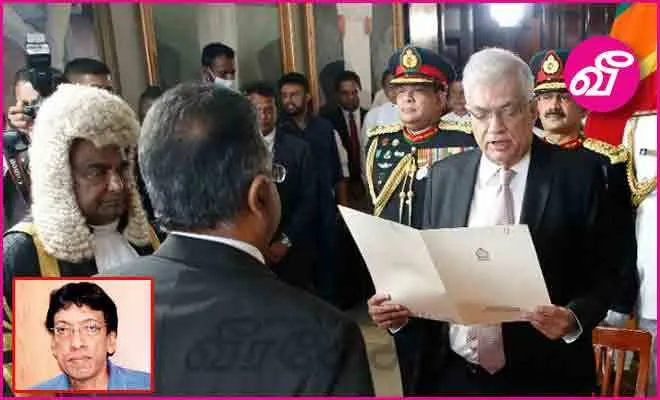
பாராளுமன்றத்தில் பெரிய வாக்குகள் வித்தியாசத்தில் ஜனாதிபதி ரணில் விக்கிரமசிங்க தெரிவுசெய்யப்பட்டதை அடுத்து கடந்த நான்கு மாதங்களாக நீடித்த அரசியல் மற்றும் பொருளாதார குழப்பநிலை முடிவுக்கு வரும் என்று பொதுமக்கள் மத்தியில் தற்போதைக்கு ஒரு நம்பிக்கையுணர்வு ஏற்பட்டிருக்கிறது.வெற்றிபெற்ற பிறகு சபையில் உரையாற்றிய அவர் தன்னுடன் கைகோர்க்குமாறு எதிரணி தலைவர்களுக்கு சிலரின் பெயர்களையும் குறிப்பிட்டு அழைப்பு விடுத்தார். தற்போதைய சூறாவளிக்கு மத்தியில் அரசுக்கப்பலை நிலையுறுதிப்படுத்துவதற்கு தேவையான அறிவு வளமும் பல வருடகால ஆட்சிமுறை அனுபவமும் விக்கிரமசிங்கவுக்கு இருக்கிறது என்பது பொதுவில் ஏற்றுக்கொள்ளப்படுகிறது.
அரசியல் செயற்பாட்டாளர்களைத் தவிர பொதுவில் மக்கள் முடிவற்ற வீதிப்போராட்டங்களினாலும் அத்தியாவசியப் பொருட்களை பெறுவதற்காக நீண்ட வரிசைகளில் தினமும் காத்திருப்பதனாலும் களைத்துப்போய்விட்டார்கள்.அவர்களுக்கு ஒரு ஓய்வு தேவைப்படுகிறது.இது போராட்ட இயக்க தலைவர்களினாலும் குறைந்த பட்சம் மறைமுகமாக ஏற்றுக்கொள்ப்பட்டது.பொலிசாரினால் பெறப்பட்ட நீதிமன்ற உத்தரவை மதித்து 104 நாட்களாக தாங்கள் முற்றுகையிட்டிருந்த போராட்டக்களத்தின் குறிப்பிட்ட சில பகுதிகளில் இருந்து வாபஸ் பெறுவதாக அவர்கள் அறிவித்தார்கள்.
இந்த நேர்மறையான நிகழ்வுப்போக்குகளுக்கு மத்தியில், அதுவும் போராட்டக்காரர்கள் தாங்களாகவே வாபஸ் பெறுவதாக அறிவித்த நேரத்துக்கு 12 மணித்தியாலங்கள் முன்னதாக அதிகாலை வேளையில் இராணுவமும் பொலிஸும் கூட்டாக போராட்டக்களத்தில் தாக்குதல் நடத்தியதை விளங்கிக்கொள்வது கஷ்டமாக இருக்கிறது.அவர்கள் பட்டுக்கையுறையுடன் இரும்புக்கரங்களை காட்டியிருக்கிறார்கள்.போராட்டக்களத்தில் இருந்தவர்கள் மீது படையினரும் பொலிசாரும் தாக்குதல் நடத்தியதிலும் அவர்களை சித்திரவதை செய்ததிலும் காட்டிய முரட்டுத்தனம் பெரும் அதிர்ச்சியைத் தந்தது.
மூன்றாவது சக்தியொன்றும் அங்கு பிரசன்னமாக இருந்தது என்ற சந்தேகமும் உண்டு. சீருடையில் இருந்த ஆயுதப்படைகளுடன் சேர்ந்து நின்ற சிலர் மதுபோதையில் இருந்ததாக முறைப்பாடுகள் வந்திருக்கின்றன.சிவிலியன் குழுக்களை பாதுகாப்பு படைகள் எதிர்கொள்ளும்போது அத்துமீறல்கள் அல்லது பிழைபாடுகள் ஏற்படுகின்ற சந்தர்ப்பங்களில் பெரும்பாலும் இந்த மூன்றாவது சக்தி என்ற பதம் பயன்படுத்தப்படுகிறது.மூன்றாவது சக்தியொன்று இருக்குமானால் அது அடையாளம் காணப்ட்டு வலுவழக்கச்செய்யப்படவேண்டும்.
படையினரும் பொலிசாரும் மேற்கொண்ட தாக்குதல் உடனடியாவே கடுமையான கண்டனங்களுக்கு இலக்கானது. "அதிகாலை வேளையில் கொழும்பு காலிமுகத்திடலில் அமைதிவழி போராட்டக்காரர்கள் மீது மேற்கொள்ளப்பட்ட தாக்குதல் கொடூரமானதும் அருவருக்கத்தக்கதுமாகும் " என்று இலச்கை மனித உரிமைகள் ஆணைக்குழு என்று கூறியது.மேலும், ஒரு அரச அமைப்பான அந்த ஆணைக்குழு தாக்குதல்களை நடத்தியவர்கள் அடையாளம் காணப்பட்டு உகந்த நடவடிக்கை எடுக்கப்பட வேண்டும் என்றும் அரசாங்கத்தின் கட்டுப்பாட்டுக்குள் இருக்கக்கூடிய இராணவத்தின் நடவடிக்கைகளோ அல்லது வேறு நடவடிக்கைகளோ மக்களின் அடிப்படை உரிமைகளை எதிர்காலத்தில் மீறாதிருப்பது உறுதிசெய்யப்படவேண்டும் என்றும் அரசுக்கு ஆலோசனை வழங்கியது.
சட்டத்தின் ஆட்சியை உறுதிப்படுத்துவதற்கு தனது சொந்த விசாரணைகளும் நடத்தப்படும் என்றும் இணைக்குழு கூறியது.மக்கள் முன்னெடுக்கக்கூடிய எதிர்ப்பியக்கங்களை தடுக்க எதிர்காலத்தில் படைபலப் பிரயோகத்துடனான தலையீட்டை செய்வதற்கான ஒரு பரீட்சார்த்தமாக இந்த தாக்குதல் அமையக்கூடிய சாத்தியம் தடுக்கப்படவேண்டும்.
பதற்றத் தணிவு
போராட்டக்காரர்கள் வெளியேறுவதற்கு சில மணி நேர அவகாசத்தை கொடுப்பதற்கு அரசாங்கம் தவறியமை கடுமையான விமர்சனங்களுக்கு வழி திறந்துவிட்டதுடன் அரசாங்கத்தை ஒரு தற்காப்பு நிலைக்கு தள்ளிவிட்டது.அமைதி வழி போராட்டக்காரர்கள் மீது இராணுவத்தினரும் பொலிசாரும் மேற்கொண்ட ஒருங்கிணைந்த தாக்குதலும் போராட்டக்களத்துக்கு அம்புலன்ஸ் வண்டிகளும் மருத்துவப்பணியாளர்களும் உடனடியாக வந்து சேருவதை தடுத்தது போன்ற செயல்களும் சர்வதேச நிதியுதவியை நாடு வேண்டிநிற்கின்ற ஒரு நேரத்தில் சர்வதேசத்தின் கண்டனத்துக்கு இலக்காகியிருக்கி்றன.
மனித உரிமைகள் நியமங்களும் பொறுப்புக்கூறும் கடப்பாட்டு கோட்பாடுகளும் பின்பற்றப்படவேண்டிய கட்டாயத்தை தங்களது உதவிகளுக்கான நிபந்தனையாக சர்வதேச நாணய நிதியமும் ஐரோப்பிய ஒன்றியமும் அறிவித்திருக்கின்றன.ஜி.எஸ்.பி.பிளஸ் வரிச்சலுகையை இலங்கை தொடர்ந்தும் பெறவேண்டுமானால் மனித உரிமைகள் கடப்பாடுகளை நிறைவேற்றவேண்டும் என்று ஐரோப்பிய ஒன்றியம் அதன் அறிக்கையில் அரசாங்கத்துக்கு நினைவுபடுத்தியிருப்பதை காதக்கூடியதாக இருக்கிறது.
உணர்ச்சிகள் தீவிரமடைந்து சமுதாயம் துருவமயப்படக்கூடிய ஆபத்து இருக்கின்ற ஒரு நேரத்தில் அரசாங்கம் பதற்றநிலையை தணிப்பது அவசியமானதாகும். கொழும்பில் உள்ள வெளிநாட்டு இராஜதந்திர சமூகத்துடனான சந்திப்பொன்றில் ஜனாதிபதி மக்கள் அமைதிவழியில் ஒன்று கூடுவதற்கு இருக்கும் உரிமையை இலங்கை போற்றிப்பேணும் என்று உறுதியளித்ததாக ஜனாதிபதி ஊடகப்பிரிவு வெளியிட்ட அறிக்கையொன்றில் கூறப்பட்டிருந்தது.
போராட்டங்களை நடத்துவதற்கு கொழும்பிற்குள் பல இடங்கள் கிடைக்கக்கூடிய வாய்ப்பு இருப்பதாகவும் சுட்டிக்காட்டப்பட்டது.காலிமுகத்திடல் பரந்தவெளி 'அறகலய ' போராட்ட இயக்கத்துக்கு கிடைக்கச் செய்த அளவு பிரகாசத்தை மற்றைய அரங்குகள் எந்தவொரு போராட்டத்துக்கும் கிடைக்கச்செய்வதற்கில்லை.
சர்வதேச நடைமுறைகள் பற்றி நிறையவே அறிந்திருப்பவர் என்று பெயரெடுத்த ஜனாதிபதி விக்கிரமசிங்க போராட்டக்காரர்கள் அரசாங்கக் கட்டிடங்களை முற்றுகையிட்டு ஆக்கிரமிப்பது பற்றிய அமெரிக்க சிவில் உரிமைகள் ஒன்றியத்தின் நிலைப்பாட்டையும் இராஜதந்திரிகளிடம் சுட்டிக்காட்டினார்.அவ்வாறான முற்றுகைகளோ ஆக்கிரமிப்புகளோ அனுமதிக்கக்கூடியவையல்ல என்று அவர் எடுத்துக்கூறினார்.
இராணுவ பலப் பிரயோகம் ஒரு கட்டத்தில் பயனுடையதாகத் தோன்றலாம்.ஆனால், மக்கள் இயக்கங்களைப் பொறுத்தவரை அது விளைவுகளை தாமதிக்கவே செய்யும்.அது துரதிர்ஷ்டவசமானது.போராட்ட இயக்கத்தையும் தொடருகின்ற ஆர்ப்பாட்டங்களையும் கையாளுவதற்கு சிறந்த வழி அவர்களின் அக்கறைக்குரிய விடயங்களை கவனிப்பதேயாகும். பரந்தளவில் பொதுமக்களின் அக்கறைகளையே போராட்ட இயக்கமும் பிரதிபலிக்கிறது.மக்களின் ஆதரவு போராட்ட இயக்கத்துக்கு உண்டு.அந்த அக்கறைகளை கவனத்தில் எடுத்துச் செயற்பட்டால் அரசாங்கத்துக்கு நியாயப்பாடு கிடைக்க வழி ஏற்படும்.
போராட்ட இயக்கத்தில் சனத்தொகையின் சகல பிரிவினரும் தலைமுறைகள் மற்றும் இனப்பிளவுகள் கடந்து பங்கேற்றார்கள் என்பதை மனதிற்கொள்ளவேண்டியது அவசியமாகும்.மீண்டும் தேவை ஏற்பட்டால் திகதி குறிப்பிடப்பட்டால் வீதிகளில் இறங்கி மாபெரும் போராட்டங்களை மக்கள் நடத்தக்கூடிய ஒரு ஆற்றலை போராட்ட இயக்கம் உருவாக்கியிருக்கிறது.
நியாயப்பாட்டை மீள் நிலைநிறுத்தல்
போராட்ட இயக்கத்தின் வெற்றியே விக்கிரமசிங்கவுக்கு ஜனாதிபதி பதவியைக் கிடைக்கச்செய்தது என்பது ஒரு முரண்நகையாகும்.அந்த போராட்ட சக்தியே அவரை அதிகாரத்துக்கு கொண்டுவந்தது என்பதால் போராட்டக்காரர்களை தனது எதிரியாக அல்லாமல் நேர்மறையான வெளிச்சத்தில் நோக்கமுடியுமாக இருந்தால் மாற்றத்துக்கான ஒரு சக்தியாக அது மிளிரும்.
போராட்ட சக்தியை முன்னரங்கத்துக்கு கொண்டுவந்தவை பொருளாதாரக் காரணிகளே.அந்தக் காரணிகள் இன்னமும் தொடர்ந்து இருக்கின்றன.அதனால் அவை தொடர்ந்தும் வலுவான சக்தியாகவே விளங்குகின்றன.ஜனாதிபதி தெரிவு முடிவு அறிவிக்கப்பட்ட உடனடியாகவே விக்கிரமசிங்க பதவி விலகவேண்டும் என்று கோரிக்கை விடுத்தார்கள்.ஆனால், சீர்திருத்தத்துக்கான அவர்களின் பிரதான கோரிக்கைகள் முற்றிலும் நியாயமானவை.பொறுப்புக்கூறலை உறுதிப்படுத்தக்கூடியதும் அரசாங்கத்தில் ஊழலுக்கு முடிவு கட்டக்கூடியதுமான முறைமை மாற்றமும் அந்த கோரிக்கைகளில் அடங்கும்.உதவிவழங்கும் சர்வசே சமூகம் குறிப்பாக சர்வதேச நாணய நிதியமும் அதையே இலங்கையிடம் கோருகின்றன.
மேலும், ஜனாதிபதியை தெரிவுசெய்த பாராளுமன்றப் பெரும்பான்மை மூன்று வருடங்களுக்கு முன்னர் தேர்தலில் மக்களால் வழங்கப்பட்ட ஆணையை அடிப்படையாகக் கொண்டது.புதிதாக தெரிவான ஜனாதிபதியினதும் முன்னைய அரசாங்கத்தின் அமைச்சர்களையே கொண்டதாக அவரால் நியமிக்கப்பட்ட அரசாங்கத்தினதும் நியாயப்பாடு பற்றிய பிரச்சினை ஜனாதிபதி தேர்தல் தொடர்பில் கூறப்படுகின்ற முறைப்பாடுகளினால் மேலும் சிக்கலாக்கப்பட்டிருக்கிறது.
பாராளுமன்ற உறுப்பினர்களின் வாக்குகள் தேக்கு மரங்களைப் போன்று விலைக்கு வாங்கப்பட்டதாக ஜனாதிபதி தேர்தலில் போட்டியிட்ட வேட்பாளர்களில் ஒருவர் பகிரங்கமாக குற்றஞ்சாட்டினார்.தோற்கடிக்கப்பட்ட அதிரணி வேட்பாளர்களுக்கும் வெற்றிபெற்றவருக்கும் இடையிலான வாக்கு வித்தியாசம் எதிர்பார்த்திராத அளவுக்கு பெரிதாக இருந்தது.கட்சிகள் எடுத்த தீர்மானங்களுக்கு முரணாக அவற்றின் பாராளுமன்ற உறுப்பபினர்களை வாக்களிக்கச் செய்வதற்கு பெருமளவு பணம் கைமாறியதாக சமூக ஊடகங்களில் பெருவாரியான பதிவுகளைக் காணக்கூடியதாக இருக்கிறது.
முன்னாள் ஜனாதிபதி கோதாபய ராஜபக்சவும் அவரின் கீழ் பிரதமராக இருந்தபோது ஜனாதிபதி விக்கிரமசிங்கவும் சர்வகட்சி அரசாங்கம் ஒன்றை அமைப்பதாக உறுதியளித்திருந்தார்கள்.அதன் காரணத்தினால்தான் அரசாங்கத்தின் இன்றைய ஆணை கேள்விக்கிடமான தன்மையுடையதாக இருக்கிறது.அரசாங்கத்தின் தற்போதைய நியாயப்பாட்டு நெருக்கடிக்கு (Crisis of legitimacy) ஒரே மாற்றுமருந்தாக சர்வகட்சி அரசாங்கமே பரவலாக நோக்கப்படுகிறது.ஆனால் புதிய அரசாங்கத்தின் அமங்கலமான தொடக்கம் அத்தகைய சர்வகட்சி அரசாங்கத்தை ஜனாதிபதி அமைப்பதை மேலும் சிக்கலாக்கும் என்றே தெரிகிறது.
போராட்ட இயக்கம், எதிரணிக் கட்சிகள் மற்றும் சர்வதேச உதவிவழங்கும் சமூகம் ஆகியவற்றுடன் ஊடாட்டங்களைச் செய்யக்கூடிய நியாயப்பாடுடைய அரசாங்கம் ஒன்றை நிறுவுவதற்கு ஜனாதிபதி மிகவும் கடுமையாக பாடுபடவேண்டியிருக்கிறது.
தன்னை அதிகாரத்துக்கு கொண்டுவருவதற்கு வாக்களித்த கட்சி உட்பட கட்சிப்பிளவுகளுக்கு அப்பால் வெளிக்கிளம்புவதற்கான வாய்ப்பை ஜனாதிபதி விக்கிரமசிங்க கொண்டிருக்கிறார்.அதற்கு மாற்று போராட்ட இயக்கத்துடனான மோதலாகவே இருக்கமுடியும்.அதற்கான அறிகுறிகளை அண்மையில் காணக்கூடியதாக இருந்தது.மீண்டும் அவ்வாறு நிகழாதிருக்கவேண்டும் என்று நம்புவோமாக!