

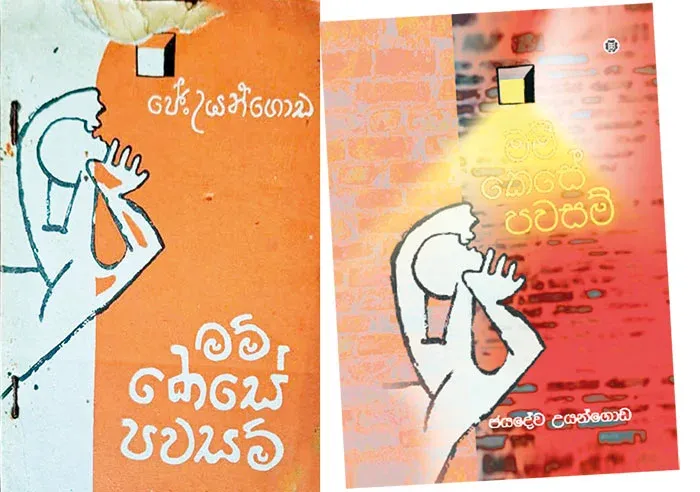
“මම කෙසේ පවසම්” කාව්ය සංග්රහය මුලින්ම පළ වන්නේ වසර හතළිස් නවයකට පෙරයි හැත්තෑචේ දශකය වනවිට ලංකාවේ සාහිත්ය කලා ප්රවර්ගයන්ගේ සාධනීය අස්වනු පාඨක සමාජයට උරුම වෙනවා. එනමුත් ජනතාවාදී සාහිත්ය ප්රවණතා තදින් හැත්තෑවේ දශකයේ ආරම්භය තුළ මතු වෙනවා. දේශපාලන තේමා රැගත් ‘ජනතාවාදී – නැත්නම්…
“මම කෙසේ පවසම්” කාව්ය සංග්රහය මුලින්ම පළ වන්නේ වසර හතළිස් නවයකට පෙරයි
හැත්තෑචේ දශකය වනවිට ලංකාවේ සාහිත්ය කලා ප්රවර්ගයන්ගේ සාධනීය අස්වනු පාඨක සමාජයට උරුම වෙනවා. එනමුත් ජනතාවාදී සාහිත්ය ප්රවණතා තදින් හැත්තෑවේ දශකයේ ආරම්භය තුළ මතු වෙනවා. දේශපාලන තේමා රැගත් ‘ජනතාවාදී – නැත්නම් විප්ලවීය’ කවි ලියැවෙනවා. කාලයාගේ ඇවෑමෙන් සභාග ආණ්ඩුවේ අනුග්රහයත් ඒ ප්රවණතාවට ලැබෙනවා. මේ කවි; මේ සාහිත්යය, ගුණදාස අමරසේකර දැඩි ලෙස දෝෂ දර්ශනයට ලක් කළා.
අසිරිය නම් ජේ. උයන්ගොඩ තරුණයා ලියූ කවි ගුණදාස අමරසේකරගේ ඇගයීමට ලක්වීමයි. අමරසේකරගේ ඇගයීමෙන් කොටසක් දක්වන්න කැමැතියි.
“සමාජවාදය ගොඩනඟනු සඳහා අද ලියැවෙන බොහෝ සටන්කාමී කවි හා කතා ඒවා පහළ කරන බාලයන්ගේ යටි සිත අරක්ගෙන ඇති හීනමාන – අත්තුක්කංසන චෛතසිකය එළිදක්වන මඟක් දෝ යන සැකය මා තුළ ඇති වූයේ උයන්ගොඩ මහතාගේ මේ කවි කියවන අතරය. රජයක් පෙරළීමට තැත් කිරීමෙ වරදට දොළොස් වසරක සිර දඬුවමක් ලැබූ උයන්ගොඩ මහතා අත්යුත්තම පරමාර්ථයක් උදෙසා තම හෘද සාක්ෂියට අනුව සටන් වැද ඒ වෙනුවෙන් සිපිරි ගෙයක දඬුවම් විඳින්නෙකි. එබැවින් බොරු මවාගත් සමාජවාදයක් ප්රදර්ශනය කිරීමට ඒ මහතාට අවශ්ය නැත. එමෙන්ම මිනිස් හදවත මිනිසත් බව නොවළහා හෙළි කිරීමට බියක් හා චකිතයක් ද ඒ මහතාට නැත. ඒ මහතාගේ කවි කියවීම නිසා මා තුළ උපන් ඇල්ම හා ගෞරවය වඩාත් දියුණු වූයේ මේ කවි ඉහතින් දැක් වූ ගුණාංගවලින් හෙබි ඒ මහතාගේ හදවත විදහා දක්වන නිර්ව්යාජ කැඩපතක් නිසා යැයි සිතමි. තම මනසට විෂය වන අනුභූතියක් වචනයට නඟා කවියකට පෙරළීමට අවශ්ය කවි සිත හා වදනිසුරු බව ඒ මහතා සතුව තිබේ…”
නූතන සිංහල කවිය ගොඩනැඟීමට පුරෝගාමී වූ අමරසේකර කවියාගේ මේ ඇගයුම; විනිශ්චය නිර්ව්යාජයි, සැබැවින්ම විශිෂ්ටයි.
71 කැරැල්ලට සක්රීය අන්දමින් කැපවුණ ජේ. උයන්ගොඩ තරුණයා සිය ආත්මීය හුදෙකලාව ප්රකාශ කිරීමට ‘ජනතාවාදය’ වෙතින් වියුක්තව ‘කවිය යනු භාව ප්රකාශනය උදෙසා භාවිත කළ හැකි ප්රවර්ගයක්’ ලෙස හඳුනාගැනීම පළ කරන්නේ ඔහුගේ සාහිත්ය ඥානයයි; සාහිත්ය විෂයෙහි මනාව පසක් කළ සාහිත්ය දෘෂ්ටියයි. ඔහුගේ කාව්ය නිර්මාණ අද පිරික්සා බලනවිට අමරසේකරගේ කාව්ය රීතිය මූලිකව ඔහුට බලපා ඇති බව පෙනී ගියත්, ‘මහගමසේකර’, බුද්ධදාස ගලප්පත්ති හා ‘මොනිකා රුවන්පතිරණ’ යන තිදෙනාගේ කාව්ය ස්වරූපයන් කෙරේ ඔහු දැක්වූ ඇල්ම හෘදයංගමව සිහිපත් කරනවා.
ආත්මීය හුදෙකලාවේ අඳෝනාව තමන්ට දරා ගන්නට තරම් අපහසු වූවිට කෙනකු ජීවිතය අත් හරින්නට පෙළඹෙනවා. එහෙත් ස්වකීය පරිකල්පන ඥානයෙන් ජීවිතය අවබෝධ කරගන්නට සමත් වූ කෙනකු ඊට මුහුණ දෙන්නේ ආවේග බාහුල්යයෙන් මඬනා ලද්දෙක් ලෙස හෝ පරාජිතයකු ලෙස නොවේ. හෘදයාභ්යන්තරය විදාරණයෙන් කඳුළක් සිය දෑසින් පිටකර දැමීමෙන් යැයි පැවසීමට පුළුවන්. ඒ වග ‘මම් කෙසේ පවසම්’ කාව්ය සංග්රහය, කවියා, සිය පියාට පිළිගන්වා ඇති අන්දමෙන් මනාව විශද වේ.
“මට හෙළුෑ කඳුළින් ආයු කල් කෙටි වූතාත්තාට
දැක ගත නොහී ඔබගිය අටමසන් ගමනතනිවී හැඬිමි සිරගෙයි අසරණ සිතිනසිත රැඳි ඔබේ ගුණ කඳ සිහි කර නිතිනපුද දෙමි මෙකව් පද හද උතුරන බැතින”
මේ පිළිගැන්වීම පුතකු පෙළන ලද ආත්මීය හුදෙකලාවත්, වරදකාරී හැඟීම ජීවන සංවේදනාවක් ලෙස තුනී කර ගන්නා ලද අන්දමත් කුළුගන්වන භාවමය සංවේදනාවක්.
මේ කාච්ය සංග්රහය තුළ කවියා තාන්තා තම සිත උපන් වේදනාබර ස්මරණයන් කිහිපයක්ම තිබෙනවා. ‘තාත්තාගේ මරණයෙන් දෙවැනි වසර ළං වෙයි’ මැයෙන් රචිත කව ද විශද කරන්නේ භාවමය ජීවිතය ස්පර්ශ කරන කවකට පෞද්ගලික අත්දැකීම්වල අදාළත්වයමයි.
“ඔබේ ගුණ කඳ වෙතින් ඉපදී හදෙගි මුමුණන භක්ති ගීතයලියා ලන්නට තැත් දැරුව මුත්‘දෙවසරක කාලය මුළුල්ලේදහස් වරකුත් මා ලියූවේමුල් වදන පමණය, පියාණෙනිදෙනෙත් රූරා ගලන කඳුළින්පත් ඉරුව සේදී ගලද්දී‘කෙසේ ලියමිද එයින් ඔබ්බේ”
පියකු පාමුල තමා කළ වරද වෙනුවෙන් පුතකු හෙළන කඳුළක් මෙහිදී පාඨකයා මනසින් දකියි. භාවාතිශය නොවී පාඨකයකු සසල කළ හැක්කේ කවියෙහි හා කව් බසෙහි අවබෝධය ඇත්තකුටමය. තව ද, තම ළබැඳියන් අකාරුණිකව විඳින වේදනාවන්ට වගකිව යුත්තේ තමාය යන හැඟීමෙන් මඬනා ලද්දෙකුගේ හෘදය සාක්ෂිය කුළුගන්වමින් කවෙහි අවසන නඟන ප්රශ්නය තුළින් කථකයා අත්විඳින ස්වයං දණ්ඩණයේ වේදනාව ද නැඟේ.
විප්ලවවාදියකු තම සටන් ව්යාපාරය උත්කර්ෂයට නංවා කවිය ඔස්සේ භාවාතිශය අන්දමින් ආවේගයන් මුදා හැරීම වෙනුවට හෘදය සංවේදී කවක් නිමවන තැනකට පත්වීම හුදු කවිකම ම නොව, කවිකම තුළ පවතින ප්රඥාව ද වන්නේය. මේ ඊට නිදසුනක්.
ලෙඩ වූ අම්මාට
මවුනි ඔබ ඔත්පලව හිඳිතැයිඇසු විගස මම හඬා වැටුණෙමිඔබට ඉන් ගුණ සුවය ලැබිණැයිඇසූ විට මට යළිත් හැඬවිණ
මරු සමග පොරයට වැටී ‘ලෙඩ ඇඳෙහි වැතිරි සිටිද්දී ‘ඔබේ හිස අතගා සිඹින්නට
දියර බිඳකින් තොල තෙමන්නටඔබෙ දෙවන පුතු නො පැමිණිය බවඔබේ මතකය වෙතට නැඟුණොත්මවුනි, උදහස් නොවෙන් මා හට
මේ හැම කවකින්ම පාඨකයා අභිමුවට පැමිණෙන්නේ එකම කථකයෙකි. සියලු අනුභූතීන් ඔහුගේ ජීවිතයෙන් පෙරා ගත් ඒවාය. අකපටව – නිර්ව්යාජව සිය ජීවන සංවේදනා විෂය කරගැනීම නිසා ම හැම කවකම හෘදය සංවේදී ගුණය මැනවින් පවතී.
තම ළබැඳියන්ගෙන් වෙන්වීම; යළි හමුවීමක් ගැන අතීරණයක ගිලී සිටීම සම්බන්ධ හැඟීම්වල ඇත්තේ යම් පොදු බවකි. දුරු රටක ගිය කෙනකුට ඒ හුදෙකලාව – තනිකම දැනේ. එහෙත් සිරගත වීම හේතුවෙන් ‘ජීවන සබඳතා’ අහිමි වීම සංවේදී මිනිස් සිතක් නිරතුරුව රිදවීම හේතුවෙන් ඇතිවන, ‘හුදෙකලාව – තනිකම’ ඊට ඉඳුරා වෙනස් වූ සංකීර්ණ අත්දැකීමකි. විස්තීර්ණ පවුලක, විපරිත නොවනු ගැමි සමාජ පදනමක, හැදුණ වැඩුණ කෙනකුට මව – පියා සහෝදර සහෝදරියන් මඟහැරීම; ඒ මඟහැරීමට තමා වරදකරුවකු බව හැඟීම පියවි ඇසකට නොපෙනන හද රිදුමක් නොවන්නේ ද?
‘කලකින් දුටු අක්කාට’ නම් කවි පන්තිය සිරගතව සිටින මලණුවන් බලන්නට අක්කාගේ පැමිණීම නිසා හටගත් හුදු කම්පාව ඉක්මවන්නකි. විස්තීර්ණ පවුලක ළෙන්ගතු ජීවිතයක පදනමෙගි වැඩිමල් සහෝදරියක සමග තිබුණ බැඳීම විවිධාකාර විය හැකිය. ඒ බැඳීම උනුනට අදාළ සංවේදනාවන්ට අනුව අනුවේදනීයවේ. එවන් අනුවේදනීය හැඟීමක් හද පත්ලේ ඊයම් බෝලයක් සේ සාදා පවතින්නට පුළුවන. එවන් අනුභූතියකි, ‘කලකින් දුටු අක්කාට’ නම් කව කියවන පාඨකයා අත්විඳින්නේ. ඒ කවි පන්තියේ කිසිදු කාව්යෝක්තියක භාවාතිශය බවක් නොතිබීමත්, සංකේෂපයෙන් අනුවේදනීය ජීවන අරුතක් උත්පාදනයත්, දියුණු කවිත්වයක මහරු ලකුණක් වන්නේය. කථකයා තුළ උපදින අනුවේදනීය හැඟීම් ඔස්සේ මානව බැඳීම් තුළින් උපදින ජීවන ලාලාසාවකි උද්දීපනය කෙරන්නේ. මේ නිදසුනෙන් එය විශද වේ.
“මා එනතුරු නුඹ සිටියානුඹ එනතුරු මා සිටියාඅන්තිමේදී නුඹ ආවා මා දකින්නසියක් යොදුන් මඟ ගෙවලාමගේ ගමන තව කලකට පමා වෙද්දි
ඉඳහිටවත් නැවත ඇවිත්උඹේ මූණ මගෙ දෙනෙතට යොමු කරලාකඳුළුවලින් කතා කරන්දවස් ගණන් මුවින් දොඩන දේට වඩානුඹේ කඳුළු එක බිඳුවක්කොපමණ දේ මට කියයිද!”
තරුණ ජීවිතය සිර කුටියක ගත කරනවිට මානව බැඳීම් සිහිපත්ව හද රිදවීම කවියා පවසන්නේ කඩිනම් පින්සල් පහරකින් නිර්මිත අවර්ණිත දිය සායම් සිතුවමක් පරිද්දෙනි.
මානව බැඳීම්, ‘සංයමයෙන් – භාවාතිශය’ නොවී කාව්ය සංග්රහය පුරාම පවතින අන්දම ඔස්සේ විශද වන්නේ සිර කුටියක දිවි ගෙවූ තරුණ සිතක කැකෑරෙන කෝපය නොව ජීවිතාශාවය.
නිහඬ කොට – සිරගත කොට සිටින ප්රාණියකුගේ භාවමය ජීවිතයේ අඳෝනාවය. ඒ අඳෝනාව ‘මම් කෙසේ පවසම්’ කාව්ය සංග්රහයෙහි පසුබිමෙන් නිතරම ඇසේ.
නිදසුන්
“නිහඬය – හෙණ ගසන කලෙක මෙන් සීතලය – උදුනක බැඳෙන මෙන්” – (පූර්විකාව)
“ජීවිතය දඬු කඳකි වධ බිමකි, නිරයකි.”
“ගිනිදැලෙන් දැවෙද්දී කෑ ගසමිසීතලෙන් මිදෙද්දී කෑ ගසමි” – (සංවේගයට කරුණකි)
“යපොලු මත හිස ඔබා තැවුණු සිත වෙහෙසවමි හෙට උදාවන තුරු කෙසේ රැය ගෙවම්දැයිකුකුසෙන් රැහැන් පට කඩා ගත් වන මිගෙකු පරිද්දෙන්
දුවන සිත එක තැනක බැඳ තබන්නට සිතානෙත රඳන කුමක් හෝ සොයනු වස්පෙනෙන මඳ ඉඩ කඩින්හාත්පස සිසාරා බලන්නෙම
අඳුර මැද තනි වූ මල් ගසකි” – (ඉර බැස ගිය පසු)
මේ කාව්යෝක්ති තුළින් සූචනය කර තිබෙන්නා වූ ආත්මීය හුදෙකලාවක වේදනාව; ජීවන අරුත් පිටු ගාණකින් විවරණය කළ හැකි තරම්ය.
මේ කාව්ය සංග්රහයෙහි ඇතුළත්, ‘අමුතු ආයුබෝවන් කීමක්’ නම් කව, ගැඹුරු ජීවන අත්දැකීමකින් නිර්මිතය. මෙ‘කවට විෂය වන්නේ පුරුෂයන් දෙදෙනකුගේ සමීප ආශ්රයයි; කායික බැඳීමයි. මේ කව තත් යුගයේ කිසිම කවියෙක් අතින් නොලියවුණ අත්දැකීමකින් ලියැවුණකි. ‘අමුතු ආයුබෝවන්’ නම් වූ මැය ම උත්ප්රාසයෙන් අනූනය.
“ළමැද පිරුණු පියයුරු නැතසුනිල වරල නුඹ සතු නැතසොඳුරු ළඳුන් නැතිවූ තැනසොඳුරු ළඳකගේ වෙස්ගෙන ටික කලකටනුඹ මාවෙත දුන් සොම්නසමට අමතක නොමැත සබඳ”
කවියා පාඨකයාගේ කල්පනයට නතු කරන්නේ ජීවන ලාලසාවේ සම්මතය හා අසම්මතය සම්බන්ධ ජීවන දෘෂ්ටියකි. ජීවිතයක පැවැත්ම රාමුවක් තුළ පවතින්නක් නොවන්නා සේම ජීවන සංවේදනා තිර සහ ඝන තත්වයක නොපවතින්නේය. ඈත දවසක තරුණ කවියකුගේ මේ වියමන මනරම්ය. සංයමයෙන් වුව එය නිර්භීතව ගෙනහැර පෑම කවියා තුළින් මතුවන චින්තකයාගේ දැක්ම පළ කරන්නකි.
71 කැරැල්ලේ අභීෂ්ට චරිතයක් වූ මහාචාර්ය උයන්ගොඩ, ඉන් සහමුලින්ම වියුක්තව අග්රගණ්ය ශාස්ත්රවන්තයකු බවට පත්වෙයි. දේශපාලන විද්යාව විෂයෙහි ඉහළම න්යායධරයකු බවට පත් වෙයි. අද මහාචාර්ය උයන්ගොඩ සිංහල සාහිත්ය සම්භාෂණයේ නිම් වළලු පුළුල් කරන්නකු බවට පරිවර්තනය වී සිටියි.
කැරැල්ල හා එක්වීමත්, දේශපාලන විද්යාඥයකු වීමත් දෙස අවලෝකනයක යෙදෙමින් මහාචාර්ය උයන්ගොඩ අද කැපවීමෙන් පා තබා සිටින්නේ සාහිත්ය ක්ෂේත්රයටයි.
එනමුත් ඔහු හෙට දවසේ කාව්ය නිර්මාණයේ තත්පරවේ ද යන්න පැනයකි.
ජයදේව උයන්ගොඩ විද්වතා පවසන්නේ කවි ලියන්නට මොළේ අවුල් වියයුතු බවය.
ඊට භූමිකම්පාවක් අවැසි බව ය.
මගේ පැතුම, පුද්ගලික භූමිකම්පාවක් ඇති නොවේවා යන්නයි.
එනමුත් සමාජ දේශපාලන සංස්කෘතියෙහි පවත්නා භූමිකම්පාවෙන් ඔබේ කවි සිත පිබිදේවායි හෘදයංගමව ප්රාර්ථනා කරමින් නවතිමි.
මහාචාර්ය සරත් විජේසූරිය