

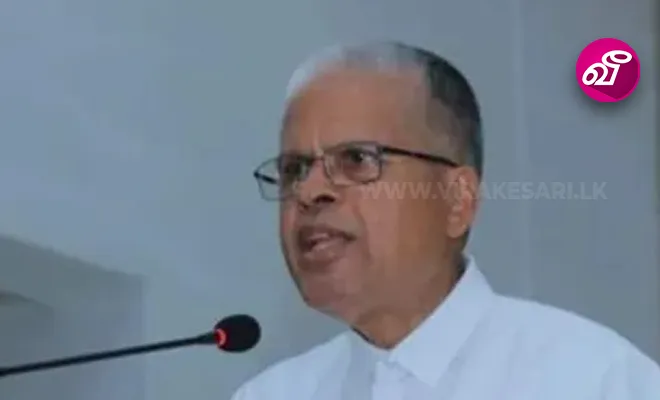
போதைப்பொருள் பாவனை தொடர்பான இலங்கையின் தேசிய உத்தியை முற்றிலும் தண்டிக்கும் செயலாக்க மாதிரியிலிருந்து மாற்றியமைத்து, ஒருவர் தனது பயன்பாட்டுக்காக சிறிதளவு போதைப்பொருள் வைத்திருப்பதை குற்றமற்றதாக்க வேண்டும் என இலங்கை தமிழ் அரசுக் கட்சியின் திருகோணமலை மாவட்ட எம்.பி. சண்முகம் குகதாச…
போதைப்பொருள் பாவனை தொடர்பான இலங்கையின் தேசிய உத்தியை முற்றிலும் தண்டிக்கும் செயலாக்க மாதிரியிலிருந்து மாற்றியமைத்து, ஒருவர் தனது பயன்பாட்டுக்காக சிறிதளவு போதைப்பொருள் வைத்திருப்பதை குற்றமற்றதாக்க வேண்டும் என இலங்கை தமிழ் அரசுக் கட்சியின் திருகோணமலை மாவட்ட எம்.பி. சண்முகம் குகதாசன் தெரிவித்தார்.
பாராளுமன்றத்தில் வெள்ளிக்கிழமை (26) 2ஆவது நாளாக நடைபெற்ற போதைப்பொருட்களை ஒழித்தல் மற்றும் திட்டமிட்ட குற்றச் செயல்களை தடுத்தல் தொடர்பான சபை ஒத்திவைப்பு வேளை பிரேரணை மீதான விவாதத்தில் கலந்துகொண்டு உரையாற்றுகையிலேயே அவர் மேற்கண்டவாறு தெரிவித்தார்.அவர் அங்கு மேலும் கூறுகையில்,
போதைப்பொருள் பாவனையானது ஒரு சமூகச் சிக்கல் என்ற நிலையில் இருந்து கடுமையான தேசிய நெருக்கடியாக உருவெடுத்துள்ளது. இது இலங்கையின் நகர்ப்புறங்களை மட்டுமன்றி சிற்றூர் வரையிலும் பரவி ஒட்டுமொத்த நாட்டையும் ஆட்கொண்டுள்ளது. இந்த நாட்டின் இளைஞர்களை இலக்குவைக்கும் இப்பேரிடரானது நாட்டின் சமூக, பொருளாதார மற்றும் ஒழுக்க விழுமியங்களின் அடித்தளத்தையே ஆட்டம் காண வைத்துள்ளது.
2026ஆம் ஆண்டின் நடுப்பகுதிக்குள், அரசால் பெருமளவானோர் கைது செய்யப்பட்டுள்ள பொழுதிலும் கைது செய்யப்பட்டவர்களில் பெரும்பாலானோர் குறைந்த வருமானம் பெறும் தெருமட்டப் பயனாளிகளும், சிறு அளவிலான வணிகர்களுமே ஆவர். இவர்கள் பெரும்பாலும் தமது பாவனைக்காக வைத்திருந்த மிகச்சிறிய அளவிலான போதைப்பொருட்களுக்கான தண்டப் பணத்தைச் செலுத்த முடியாமையினாலேயே சிறைகளில் வாடுகின்றனர். பாதுகாப்பை மட்டுமே முதன்மைப்படுத்திய இந்த அணுகுமுறை, இலங்கையின் சிறைச்சாலைகளில் கடுமையான நெரிசலை ஏற்படுத்தியுள்ளது.
அதேவேளையில், பன்னாட்டு போதைப்பொருள் கடத்தல் மன்னர்களும், அவர்களுக்கு உள்நாட்டில் துணை போகிறவர்களும் வெளிநாடுகளில் இருந்தவாறே தமது நடவடிக்கைகளைத் தொடர்ந்தும் முன்னெடுத்துவருகின்றனர். அரசு தெருமட்ட சோதனைகளில் மட்டுமே கூடுதல் கவனம் செலுத்துகிறது.அதேநேரம் எல்லை கடந்த போதைப்பொருள் வழங்கலின் முதன்மையான வலையமைப்புகள் எவ்வித பாதிப்புமின்றி அப்படியே நீடிக்கின்றன. இந்தப் போதைப்பொருள் நெருக்கடியின் தாக்கம் வட, கிழக்குப் பகுதிகளில் மிகக் கடுமையாக உணரப்படுகிறது.
போதைப்பொருள் வணிகத்தின் மூலம் ஈட்டப்படும் பணம், இலங்கையின் அரச இயந்திரத்துக்குள்ளும் ஊடுருவியுள்ளதாகக் குற்றம் சாட்டப்படுகின்றது. இது கடத்தல்காரர்கள் சிறைச்சாலைச் சுவர்களுக்குள் இருந்துகொண்டே தங்களது வலையமைப்புகளைத் தொடர்ந்து வழிநடத்துவதற்கு வழிவகுத்துள்ளது.போதைப்பொருள் கட்டுப்பாட்டுக்கு பொறுப்பான அரச முகவர் அமைப்புகளை அரசு வலுப்படுத்த வேண்டும், தூய்மைப்படுத்த வேண்டும். உள்ளக ஊழல்களுக்கு அரசு தீர்வு காணாவிடில், வெளியில் காட்டப்படும் அதிரடிச் சோதனைகள் யாவும் பயனற்றவையாகவே அமையும்.
கந்தகாடு மற்றும் சேனபுர முதலிய கட்டாய மறுவாழ்வு நிலையங்களில் நிகழும் வன்முறைகள் மற்றும் கண்காணிப்புக் குறைபாடுகள் குறித்த அறிக்கைகள், இந்த நிலையங்கள் குணப்படுத்தும் இடங்களாகச் செயல்படுவதற்கு மாற்றாக, தற்காலிக சிறைச்சாலைகளைப் போலவே இயங்கி வருகின்றன என்பதைக் காட்டுகின்றன.
போதைப்பொருள் பாவனை தொடர்பான இலங்கையின் தேசிய உத்தியை முற்றிலும் தண்டிக்கும் செயலாக்க மாதிரியிலிருந்து மாற்றிப், பொதுச் சுகாதாரத்தை நடுவனாகக் கொண்ட ஒரு சமநிலையான கட்டமைப்பிற்கு மாற்ற வேண்டும். இதன் பொருட்டாக நான் பின்வரும் பரிந்துரைகளை முன்வைக்கின்றேன்.
முதலாவதாக, ஒருவர் தனது பயன்பாட்டுக்காக சிறிதளவு போதைப்பொருள் வைத்திருப்பதை குற்றமற்றதாக்க வேண்டும். இத்தகையோரை, சுகாதார வல்லுநர்களால் நடத்தப்படும் தன்னார்வ, சமூக அடிப்படையிலான மருத்துவத் திட்டங்களுக்கு ஆற்றுப்படுத்த வேண்டும்.
இரண்டாவதாக, இலங்கையின் மறுவாழ்வு அமைப்பானது, குடிசார் மற்றும் மருத்துவத் தலைமைகளின் கீழ் இயங்கவேண்டும் என்பதோடு அனைத்து சிகிச்சை முறைகளும் சான்றுகள் மற்றும் பண்பாட்டு அடிப்படையை உள்ளடக்கியதாகவும் இரு ஆட்சி மொழிகளிலும் முழுமையாக கிடைக்கப் பெறுவதாகவும் அமைய வேண்டும்.
மூன்றாவதாக, சட்டச் செயலாக்க வளங்களை போதைப்பொருள் கடத்தல் வலையமைப்புத் தலைவர்களின் சொத்துக்கள் மற்றும் கடத்தலுக்குப் பயன்படுத்தப்படும் வழிமுறைகள் ஆகியவற்றை இலக்குவைக்கும் நோக்கில் திசைதிருப்ப வேண்டும்.
நான்காவதாக, அனைத்து முதன்மையான துறைமுகங்கள் மற்றும் விமான நிலையங்களில் நவீன, அதிவேக ஸ்கேனர்களை நிறுவுவதன் மூலம் இலங்கையின் எல்லைப் பாதுகாப்பு உள்கட்டமைப்பை மேம்படுத்த வேண்டும். நீதிமன்ற முடிவுகளைத் தாமதப்படுத்தும் போதைப்பொருள் பகுப்பாய்வு அறிக்கைகளை விரைந்து வழங்குவதற்குத் தேவையான நவீன கண்டறியும் கருவிகளை அரச இரசாயன பகுப்பாய்வாளர் திணைக்களம் மற்றும் தேசிய போதைப்பொருள் ஆய்வகம் ஆகியவற்றுக்கு வழங்க வேண்டும்.
ஐந்தாவதாக, எல்லாவற்றுக்கும் மேலாக பொதுமக்களுக்கு போதைப்பொருள் பாவனை பற்றியும் அதனால் ஏற்படும் விளைவுகள் பற்றியும் விழிப்புணர்வை ஏற்படுத்த ஆவண செய்ய வேண்டும்.போதைப்பொருள் வழங்கலின் உண்மையான மூல ஆதாரங்களை இலக்கு வைப்பதற்கான சட்டச் சீர்திருத்தங்களை நடைமுறைப்படுத்த வேண்டும்.
சமூக சிக்கல் என்ற நிலையிலிருந்து தேசிய நெருக்கடியாக மாறியுள்ள போதைப்பொருள் அச்சுறுத்தலை அரசுப் படைகள், அரச அதிகாரிகள் அல்லது அரச அமைப்புகளால் மட்டும் எதிர்கொள்ள முடியாது. அனைவரும் ஒன்றிணைந்து பற்றுறுதியோடு செயற்பட்டால் மட்டுமே போதைப்பொருள் அச்சுறுத்தலை எதிர்கொள்ளலாம் என்றார்.