

• தற்போது நிலவும் சூழமைவின் முக்கியத்துவம் என்னவென்றால், முறைமைமாற்றம் என தாம் கருதுவது என்ன என்பதனை போராட்டக்காரர்கள் அரசியல் உயர் வகுப்பினர் ஊடாகச் செல்லாது அல்லது அவர்களின் ஆதிக்கத்திற்குட்பட்ட அரசியல் கட்சிகளின் ஊடாகச் செல்லாது அது பற்றிப் தாமே மிகத் தெளிவாகப் பேச ஆரம்பித்து…
• தற்போது நிலவும் சூழமைவின் முக்கியத்துவம் என்னவென்றால், முறைமைமாற்றம் என தாம் கருதுவது என்ன என்பதனை போராட்டக்காரர்கள் அரசியல் உயர் வகுப்பினர் ஊடாகச் செல்லாது அல்லது அவர்களின் ஆதிக்கத்திற்குட்பட்ட அரசியல் கட்சிகளின் ஊடாகச் செல்லாது அது பற்றிப் தாமே மிகத் தெளிவாகப் பேச ஆரம்பித்துள்ளமையாகும். •இலங்கையின் இன்றைய பிரச்சினைக்கு மூல காரணமே இந்த இரண்டு சகோதரர்களும்தான். இவர்களே இப்பிரச்சினைக்கான பொறுப்பினை ஏற்கவேண்டுமேயன்றி வேறு யாருமல்ல. இவர்கள் பிரச்சினையின் இன்றியமையாத அங்கமாக இருக்கின்ற காரணத்தால், எந்த ஒரு தீர்வுக்குமான ஒரு தரப்பாக இவர்கள் இருப்பதை எண்ணிப்பார்க்கமுடியுமா என்ற கேள்வி இங்கு எழுப்பப்படுகின்றது? கொழும்பு காலி முகத்திடலில் அமைந்துள்ள ‘கோ கோட்டா கமவில் இருந்தும் ஏனைய ஆர்ப்பாட்டக் களங்களில் இருந்தும் வரும் அரசியல் செய்திகள் சாதாரணமாக இருந்தாலும் அவை கூர்மையானவையாகக் காணப்படுகின்றன. அவை மரபுவழிப்படாதவையாகவும் சமரசமற்றவையாகவும் உள்ளன. இவற்றின் கோசங்களும் கோரிக்கைகளும் புத்துணர்ச்சியூட்டும் வகையில் புதிய அரசியல் மரபில் உருவாக்கப்பட்டு பழைய அரசியல் சிந்தனைப் போக்காளர்களை ஆச்சரியத்தில் ஆழ்த்தியுள்ளது. எதிர்க்கட்சியில் உள்ள எந்த அரசியல் கட்சியினால் – பெரும்போக்குக் கட்சிகளால் அல்லது தீவிர முற்போக்குவாதக் கட்சிகளால் – அண்மைக் காலங்களில் இலங்கையில் கண்டிராத மிகவும் துணிச்சலும் பணிவிணக்கமுமற்ற அரசியல் கோசங்களை இவ்வளவு விரைவாக உருவாக்கியிருக்க முடியும் (ஆட்டம் முடிந்தது, கோட்டா வீட்டுக்குப் போ)? இலங்கையில் அரசியல் மாற்றத்தினைக் கோரும் ஒரு புதிய வெகுஜன இயக்கத்திற்கான மிகவும் சக்திமிக்க அழைப்பாக இக்கோசங்கள் இப்போது காணப்படுவதுடன் சமூக இயக்கச் செயற்பாட்டின் மரபுசார்ந்த கட்டுக்கோப்புக்களுக்கு வெளியே துரித பரிணாமமடைந்த ஓர் இயக்கமாகவும் இவை காணப்படுகின்றன. இதன் பிண்னணியில் பிரதான செயற்பாட்டாளர்களைக் காண முடியாதிருக்கின்றது. இவர்கள் இளம் சமூக மற்றும் கலாசாரப் பிரச்சாரகர்களின் ஒரு புதிய தலைமுறையினைச் சேர்ந்தவர்களாகவே தென்படுகின்றனர். மரபுரீதியான அரசியல் கட்சிகளுடன் இவர்களுக்குத் தொடர்பில்லாதிருக்கின்றது. இவர்களில் சிலர் முதல் தடவையாக வாக்களிக்கும் உரிமையினைப் பெற்றவர்களாக இருக்கின்றனர். காலி முகத்திடலிலும் வேறு இடங்களிலும் போராட்டங்களில் ஈடுபட்டுவரும் பிரஜைகளிடம் இருந்து வெளிப்படும் கருத்துக்கள் மெச்சப்படவேண்டுமாயின் அவற்றின் மறைபொருள் நீக்கப்பட்டு அவை துல்லியமானவையாக அவதானிக்கப்படவேண்டும். ஏனெனில் அவற்றின் பொருத்தப்பாடும் அவசரத்தன்மையும் ஆழமடைந்துவரும் அரசியல் நெருக்கடிகளின் மத்தியில் வரும் வாரங்களில் மற்றும் வரும் மாதங்களில் இரட்டிப்பாக உணரப்படும் என நம்ப முடியும்.
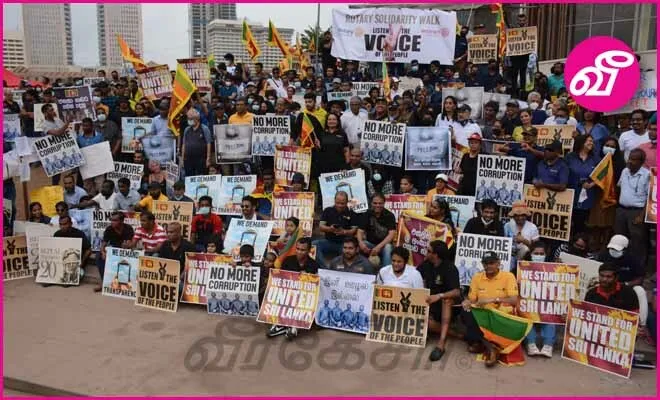
முறைமை மாற்றம் சில மாதங்கள் வரையில் ஜனாதிபதி கோட்டாபய ராஜபக்ஷவினால் பயன்படுத்தப்பட்ட வெற்றுக் கோசங்களில் ஒன்றினைக் கையகப்படுத்தி அதற்கு ஒரு புதிய அர்த்தத்தினைக் கொடுத்து தமது போராட்டம், ஒரு முறைமை மாற்றத்திற்கானது, எனப் போராட்டம் செய்யும் பிரசைகள் வலியுறுத்திவருகின்றனர். தேர்தல்களின் மூலம் அதிகாரத்திற்கு வரும் தனிநபர்களை அல்லது அரசியல் கட்சிகளை மாற்றுதல் மற்றும் புதிய ஆரம்பங்கள் எனத் தவறாக விபரிக்கப்படுவதும்; இடையூறு ஏற்படுத்தத்தக்க விதத்தில் சடுதியானதுமான கொள்கை மாற்றங்கள் போன்ற மேலோட்டமான மாற்றங்களின் அருகில் அவர்கள் தங்களின் முறைமை மாற்றம், எனும் எண்ணக்கருவினை முன்வைக்கின்றனர். அவர்கள் மாற்ற நாடுகின்ற முறைமை ஒட்டுமொத்த நிறுவனக் கட்டமைப்பினையும் அரசாங்கத்தின் நடைமுறைகளையும் குறிக்கின்றது. இதில், (அ) ஆதிக்கமிக்க அரசியல் கலாசாரம் (ஆ) அரச கொள்கை உருவாக்கச் செயன்முறைகள் மற்றும் நடைமுறைகள் (இ) ஆளும் வகுப்பு எவ்வாறு ஆட்சி செய்கின்றது - மேலும் எவ்வாறு அரசின் விவகாரங்களை நடத்துகின்றது (ஈ) இலங்கையின் பிரதிநிதித்துவ அரசாங்க முறைமையின் வீழ்ச்சியடைந்துவரும் தரம் (உ) தொடரும் சமத்துவமின்மைகள் மற்றும் அநீதிக்கான காரணமான சமூக பொருளாதார முறைமை ஆகியவை உள்ளடங்குகின்றன. தற்போதைய முறைமையின் விசேட அம்சம் என்னவென்றால், அரசியல் உயர் வகுப்பினர் ஊடாகச் செல்லாது அல்லது அவர்களின்ஆதிக்கத்திற்குட்பட்ட அரசியல் கட்சிகளின் ஊடாகச் செல்லாது முறைமை மாற்றம் என்பதால் தாம் எதைக் கருதுகின்றனரோ அது பற்றிப் பிரஜைகள் தாமே மிகத் தெளிவாகப் பேச ஆரம்பித்துள்ளமையாகும். முறைமை மாற்றத்தினை நோக்கிய அவ்வாறான ஒரு செயன்முறையினை ஆரம்பிப்பதற்காக போராட்டத்தில் ஈடுபட்டுவரும் பிரஜைகள் ஜனாதிபதியும் பிரதமரும் ஆளுங்கட்சி உறுப்பினர்களும் அமைச்சர்களும் ஏனைய அமைச்சர்களும் ஒட்டுமொத்தப் பாராளுமன்றமும் இராஜினாமாச் செய்யவேண்டும் என்று கோரிவருகின்றனர். இந்தக் கோரிக்கை பல அர்த்தங்களைக் கொண்டுள்ளது. முதலாவதாக, இலகுவாக வெளியேறுவதற்கான எவ்வழியும் கண்ணுக்குப் புலப்படாத வலுக்குன்றிய பொருளாதார நெருக்கடியும் சமூக நெருக்கடியும் நிறைந்த முன்னெப்பொழுதும் முகங்கொடுத்திராத துயரத்திற்குள் இலங்கை மக்களை அரசாங்கம் தள்ளியிருப்பதற்கான முழப்பொறுப்பினையும் ஜனாதிபதியும் பிரதமரும் ஏற்கவேண்டும். தமது செயலின்மைகளின் காரணமாக, அரசாங்கத்தில் உள்ள இரண்டு மிக முக்கியமான பதவிகளை வகிப்பதற்கான தகைமையினை இவர்கள் இழந்துள்ளனர். இலங்கையின் இன்றைய பிரச்சினைக்கு மூல காரணமே இந்த இரண்டு சகோதரர்களும்தான். இவர்களே இப்பிரச்சினைக்கான பொறுப்பினை ஏற்கவேண்டுமேயன்றி வேறு யாருமல்ல. இவர்கள் பிரச்சினையின் இன்றியமையாத அங்கமாக இருக்கின்ற காரணத்தால், எந்த ஒரு தீர்வுக்குமான ஒரு தரப்பாக இவர்கள் இருப்பார்கள் எண்ணிப்பார்க்கமுடியுமா? இரண்டாவதாக, பரந்த வீச்சிலான அரச நிறுவனங்களுக்கும் அரசியல் நடைமுறைகளுக்கும் மிகவும் தேவைப்படும் முறைமைசார்ந்த மறுசீரமைப்புக்களுக்கான அரசியல் தளத்தினை உருவாக்குவதற்கு இராஜபக்ச கோத்திரமும் இந்த இரண்டு அரசின் முதல்வர்களும் தாமாகவே முன்வந்து பதவி துறக்கவேண்டும். இலங்கையின் புண்பட்ட ஜனநாயகம், சர்வாதிகாரம், சிலர் மட்டுமே ஆட்சிசெய்யும் குடும்ப ஆட்சி மற்றும் அரசின் ஊழல் எனும் இலங்கையின் மிக மோசமான மரபுரிமையின் குறியீடே இவர்கள்தான். இலங்கையின் சாதாரண பிரசைகள் அறிந்தது போலும் அவர்கள் இப்போது அச்சமின்றிப் பேசுவது போலும், ராஜபக்ச குடும்பம் அதன் ஆதிக்கத்தினை இலங்கை அரசியலின் ஒட்டுமொத்தச் சூழ்நிலம் முழுவதும் பரப்பியுள்ளது. இது அரசினையும் தேசிய பாதுகாப்பு முகவர்களையும் சட்ட அமலாக்கல் மற்றும் நீதி நிர்வாக நிறுவனங்களையும் பொது நிர்வாகத்தினையும் ஊடகத்தினையும் பொருளாதாரத்தின் தனியார் துறையினையும் கூட உள்ளடக்குகின்றது. இலங்கை ஜனநாயகத்தின் மீதான பாராளுமன்றச் செயன்முறை மீதான, கட்சி அரசியல் மீதான, பாராளுமன்றச் செயன்முறைகள் மீதான மற்றும் சமூக நல்லிணக்க விழுமியங்களின் மீதான குடும்பத்தின் கரைத்துச் சிதைக்கும் செல்வாக்கு மிகப் பிரபலமானது என்பதுடன் அதனை அனைத்து மக்களும் அறிந்தேயுள்ளனர். இலங்கையில் புதியதொரு ஜனநாயக அரசியல் கலசாரத்தினைக் கட்டியெழுப்புவதற்காகப் பணியாற்றவேண்டுமாயின் சர்வாதிகாரக் கெடுபிடிமிக்க அரசியல் மீதான கவர்ச்சி –கட்டுப்படுத்தப்பட்ட ஜனநாயகத்துடனான ஒரு நபர் ஆட்சி - துடைத்தழிக்கப்பட்டு அதனைப் பற்றிப்பிடித்து அதற்கு வக்காலத்து வாங்கியவர்கள் வீட்டுக்கு அனுப்பப்படவேண்டும் என்பதே முன்நிபந்தனையாகும் என்பதை இலங்கையின் இளையவர்களும் முதியவர்களும் நன்கறிவார்கள். இதனால்தானோ என்னவோ ராஜபக்ஷ குடும்பத்தின் உறுப்பினர்கள் அவர்களின் அதிகாரப் பதவிகளில் இருந்து தாமாகவே விலகவேண்டும் என அழுத்தம் கொடுப்பதே தற்போதைய பிரஜைகள் இயக்கத்திற்கு அளப்பரிய அரசியல் சக்திக்கான ஊக்கத்தினை வழங்கும் பிரதான பற்றார்வமாக இருக்கின்றது. அரசியல் வகுப்பு கோசங்களில் சிலவற்றின் மூலமாக போராட்டக்காரர்கள் முன்வைப்பது போல், இலங்கை அரசியல் மீது ராஜபக்ஷ குடும்பம் கொண்டுள்ள இறுக்கமான பிடி மாத்திரமே இலங்கை அரசியலை ஒரு புதிய திசையினை நோக்கி மறுசீரமைப்பதில் இருக்கும் தடையல்ல. அது பாராளுமன்ற அரசியல்களிலும் அரசாங்க நிறுவனங்களிலும் ஆதிக்கம் செலுத்திவரும் அரசியல் வகுப்பு அல்லது அரசியல் மேட்டுக் குடி முழுவதுமாக மாற்றியமைக்கப்பட்டு மறுசீராக்கப்படவேண்டும் என்பதனை வெளிப்படுத்துகின்றது. கடந்த நான்கு தசாப்தங்களாக, இலங்கை அரசியல் வகுப்பு பல்வேறு காரணங்களினால் அதன் தரத்திலும் ஆற்றலிலும் சிதைவிற்கும் வீழ்ச்சிக்கும் முகங்கொடுக்கும் ஒரு படிப்படியான செயன்முறைக்கு உட்பட்டு வருகின்றது. ஆர்ப்பாட்டத்தில் ஈடுபட்டுள்ள பிரசைகள் குறிப்பிடுவது போல் அரசியலில் ஏற்பட்டுள்ள இந்த வீழ்ச்சிக்குப் பங்களிப்பு வழங்கியுள்ள ஒரு பொதுவான காரணம் ஊழலாகும். ஆர்ப்பாட்டக் களங்கள் அனைத்திலும் இருந்தும் நாம் ஒவ்வொரு கணமும் செவிமடுக்கும் ராஜபக்ஷ குடும்பத்தின் மீதான குற்றச்சாட்டுக்கான காரணம், இலங்கையின் அரசியல் நாசத்தின் அனைத்து விடயங்களினதும் முழுமொத்தக் குறியீடாக இருப்பது ஆளும் குடும்பமே எனப் பல பிரஜைகளும் கருதுவதாலாகும். சட்டங்களினதும் நெறிகளினதும் கட்டுப்பாடுகளுக்கு எவ்வித மரியாதையும் வழங்காது தமது கட்சி அடையாளம் எதுவாக இருந்த போதிலும் அவற்றினைப் பொருட்படுத்தாது ஊழலிலும் தன்னிச்சையான அரசியல் அதிகாரப் பிரயோகத்திலும் அரசியல் வகுப்பு எவ்வாறு ஈடுபட்டு வருகின்றது என்பதையும் ஆளுங்கட்சிக்கு உரித்தான சட்டத்தில் இருந்து விடுபடல் எனும் சிறப்புரிமையினை அது எவ்வாறு கயமைத்தனமாக அனுபவித்துவருகின்றது என்பதையும் பிரசைகள் சில தசாப்தங்களாக மலைப்புடன் அவதானித்து வருகின்றனர். சுய செல்வாக்கினை வளர்த்துக்கொள்வதற்கான ஒரு வழியாக அரச அதிகாரத்தினை அரசியல் வகுப்புத் துஷ்பிரயோகம் செய்து வருவதை இலங்கைப் பிரஜைகள் பொதுவாக விறுப்புவெறுப்பின்றிக் கண்கூடாகக் கண்டு வருகின்றனர். தேர்தல் மூலம் தெரிவுசெய்யப்பட்ட மக்கள் பிரதிநிதிகள் ஆட்சியில் இருக்கையில் அவர்களிடம் பொறுப்பாக ஒப்படைக்கப்பட்ட பொது நம்பிக்கையினை அவர்கள் மீண்டும் மீண்டும் அவமதித்து வரும் வெட்கக்கேடான காட்சிகளை மக்கள் சகித்து வருகின்றனர், அதனை அங்கீகரித்தும் இருக்கின்றனர். இலங்கையில் எம்மிடம் இருக்கும் ஆளும் வகுப்பும் பொது நிர்வாகமும் பொது நம்பிக்கை என்பது அரச பதவியில் மீறப்படமுடியாத ஒரு விதி எனும் பொது நம்பிக்கைக் கோட்பாடு பற்றிய புரிதல் அற்றவையாகவே உள்ளன. பொதுமக்கள் அக்கறையற்று இருந்த காலகட்டமும் தவறான ஆட்சியும் ஊழலும் வகைப்பொறுப்பற்ற ஆட்சியும் ஆளும் வகுப்பின் இலக்கணங்களாக இருந்தபோது அவற்றினைக் கண்டும்காணாதது போல் இருந்த காலகட்டமும் முடிவுக்கு வந்துவிட்டன என்பதே போராட்டக் களங்களில் இருந்து வரும் பிரதான செய்தியாக இருக்கின்றது. அரசியல் வகுப்பின் அனைத்துத் தரப்புக்களினதும் செயல்களையும் தவறுகளையும் பிரஜைகள் அவதானித்தே வருகின்றனர். அரசியல் வகுப்புத் தொடர்ந்தும் பொருத்தப்பாட்டுடன் நிலைத்திருக்க வேண்டுமாயின் அது தன்னைத்தானே மறுசீரமைத்துக் கொள்ளவேண்டும் அல்லது தொலைந்துபோக வேண்டும் என்ற கோரிக்கையினைப் பிரசைகள் இப்போது முன்வைக்க ஆரம்பித்துள்ளனர். பாராளுமன்ற ஜனநாயகத்தின் மீளுருவாக்கம் போராட்டக் கோசங்களில் சிலவற்றில் சில கூர்மையான அரசியல் கருத்துக்களும் பொதிந்துள்ளன. அவற்றின் மறைபொருள் நீக்கப்பட்டுத் துல்லியமாக அறியப்படவேண்டும். போராட்டத்தின் ஆரம்பக் கட்டத்தில் முன்வைக்கப்பட்டவற்றுள் குறைந்தது இரண்டு கோசங்கள் இலங்கையின் பிரதிநிதித்துவ / தேர்தல் ஜனநாயகத்தின் நெருக்கடியினைச் சுட்டிக்காட்டுபவையாக அமைந்திருந்தன. இவை ஜனாதிபதி ராஜபக்ஷவையும் எதிர்க்கட்சிப் பாராளுமன்ற உறுப்பினர்கள் உள்ளிட்ட அனைத்து 225 பாராளுமன்ற உறுப்பினர்களையும் இலக்குவைத்த ‘கோ கோம் கோட்டா’ போராட்டத்தின் கோரிக்கைகளாகும். ஜனாதிபதியினை அவரின் தவணைக் காலத்தின் நடுப்பகுதியில் இராஜினாமாச் செய்யுமாறு கேட்பது 18 ஆம் நூற்றாண்டு முதல் குடியரசு அரசியல் கோட்பாட்டில் கோடிட்டுக்காட்டப்பட்டுள்ள பிரதிநிதித்துவ ஜனநாயகத்தின் அடிப்படைப் பல வீனங்களுக்கான ஓர் எதிர்வினையாக நோக்கப்பட வேண்டும். தேர்தலில் தெரிவுசெய்யப்பட்டவருக்கு வழங்கப்பட்ட ஆணை அவரால் மீறப்படுகையில் அல்லது அவமரியாதை செய்யப்படுகையில் வாக்காளர் என்ற ரீதியிலும் தேருனர் என்ற ரீதியிலும் மக்களுக்கு எவ்விதமான உரிமையும் இல்லாதிருக்கும் பிரச்சினையே இதுவாகும். இலங்கையிலுள்ள வாக்காளர்கள் அவர்களின் ஜனாதிபதியைத் தெரிவுசெய்த பின்னர், வழங்கப்பட்ட ஆணையினை மீளப்பெறுவதற்கான வாய்ப்பு தேருனர்களுக்கு வழங்கப்படவில்லை. இது பல நாடுகளில் ஜனாதிபதிக் குடியரசுக் மாதிரியில் உள்ள பிரதான பலவீனமாகும்.
இளம் ஆண்கள் பெண்கள், கிராமிய விவசாயிகள், நடுத்தர மக்கள் மற்றும் உழைக்கும் வர்க்கத்தினர், தொழில்ரீதியான குழுக்கள், கத்தோலிக்க மதகுருக்கள் மற்றும் பௌத்த மதகுருக்கள் உள்ளிட்ட பல தரப்பினராலும் தங்களைப் பிரதிநித்துவம் செய்வதற்குத் தகுதியற்றவர்கள் என்றும் தங்களின் எதிர்பார்ப்புக்களையும் சமூக இலக்குகளையும் பூர்த்திசெய்ய முடியாதவர்கள் என்றும் இலங்கையின் நடப்பு ஜனாதிபதியும் ஆளுங்கட்சிப் பாராளுமன்ற உறுப்பினர்களும் குறிப்பாக நோக்கப்படுகின்றனர். இத்தொழில்ரீதியான அரசியல்வாதிகளிடம் ஆளுகை செய்வதற்கான வாய்மையோ நேர்மையோ பச்சாதாபமோ ஆற்றலோ இல்லாதிருப்பது கண்டு பல வாக்காளர்கள் அதிர்ச்சியடைந்து போயுள்ளனர். தேருனர்களுக்கும் தேர்வுசெய்யப்பட்டவர்களுக்கும்; இடையில் ஓர் ஆழமான பிளவினை உருவாக்கிய பிரதான காரணிகளின் மத்தியில் இவை காணப்படுகின்றன. மேலும், தற்போதைய அரசாங்கத்தின் அரசியல் தலைவர்கள் மீது பொதுமக்கள் கொண்டுள்ள பாரிய வெறுப்பின் ஆழமான வெளிப்பாட்டினையே போராட்டக்களங்களில் இருந்து நாம் செவிமடுக்கும் கோசங்கள் காட்டுகின்றன. இது ஒரு சாதாரண வெறுப்பல்ல. இது குறிப்பாக இளம் போராட்டக்காரர்களினால் மிகவும் வீரியமாக வெளிப்படுத்தப்படுகின்ற ஆழமாக உணரப்பட்ட உணர்வாக இருக்கின்றது. இந்த இளம் பிரஜைகள் அல்லது அவர்களின் பெற்றோர்கள் 2019 ஆம் ஆண்டு யாருக்கு உற்சாகமாக வாக்களித்தார்களோ அந்த அரசியல் தலைவர்களுடனான மூன்று வருட உறவு ஒரு புதிய தலைமுறை முழுவதற்குமே கசந்துவிட்டது போலவே தென்படுகின்றது. இதனால்தான், கடந்த ஜனாதிபதித் தேர்தலிலும் பாராளுமன்றத் தேர்தலிலும் ஜனாதிபதிக்கும் ஆளும் கூட்டமைப்புப் பாராளுமன்ற உறுப்பினர்களுக்கும் வழங்கப்பட்ட தேர்தல் ஆணையினை முற்றுமுழுவதுமாக வாபஸ்பெறுவதைக் குறிக்கும் அழைப்பாகவே இவர்களின் இராஜினாமாவுக்கான கோரிக்கையினைப் பார்க்கவேண்டியிருக்கின்றது. எவ்வாறாயினும், தேர்தலில் தெரிவுசெய்யப்பட்டவர்களை வாபஸ் பெறுவதற்கான ஏற்பாட்டினை இலங்கையின் அரசியலமைப்பு வழங்கவில்லை. இருக்கின்ற ஒரேயொரு பரிகாரம் பகுதியளவில் அரசியலமைப்பு ரீதியானதாகும். அதாவது, இராஜினாமா செய்தல் அரசியலமைப்பின் கீழும் பிரதிநிதித்துவ ஜனநாயகத்தின் கீழும் செல்லுபடியானதென்பதால் பிரஜைகள் ஜனாதிபதியிடமும் பாராளுமன்ற உறுப்பினர்களிடமும் அவர்களைப் பதவியில் இருந்து இராஜினாமாச் செய்யுமாறு கோருகின்றனர். எனவே, இது இலங்கையின் அரசியலமைப்புச் சட்டத்தரணிகளதும் உயர் நீதித்துறையினதும் அரசியல் கோட்பாட்டாளர்களினதும் உடனடியான அவதானத்தினைக் கட்டாயம் ஈர்க்கவேண்டிய ஒரு விடயமாகும். தேர்தலில் தெரிவுசெய்யப்பட்டவர்களால் தேர்தல் மற்றும் பிரதிநிதித்துவ ஜனநாயகம் துஷ்பிரயோகத்திற்கு உட்படுத்தப்பட்டுத் தேருனர்களின் விருப்பங்கள் முற்றுமுழுவதும் புறக்கணிக்கப்படும் சூழமைவில் பிரஜைகளின் மனதில் தோன்றிய அரசியலமைப்பு மறுசீரமைப்புக்கான மிகவும் ஆக்கத்திறன்மிக்க சிந்தனைகளை இது பிரதிநிதித்துவம் செய்கின்றது. மிக முக்கியமாக, வெகுமக்களின் அழுத்தத்தின் கீழ் தேர்தலில் தெரிவுசெய்யப்பட்டவர்களின் இராஜினாமா மூலம் அவர்களின் அரசியல் வகைப்பொறுப்பினை உறுதிசெய்வதற்கான அடிப்படை எண்ணக்கரு இலங்கையின் சாமாண்ய மக்களிடம் இருந்தே வருகின்றது. இவர்களின் அரசியல் கற்பனை இலங்கையில் மிகவும் ஆதிக்கமிக்கதாக இருக்கும் அரசியலமைப்பு வடிவமைப்புக்கான எவ்விதமான நிறுவனமயமாக்கப்பட்ட அணுகுமுறைகளினாலும் கட்டுப்படுத்தப்படாததாகும். இலங்கையில் எதிர்கால அரசியலமைப்பு மற்றும் தேர்தல் மறுசீரமைப்புக்களில், மக்களின் இறைமை மற்றும் ஆளப்படுபவர்கள் தொடர்பில் ஆட்சியாளர்களின் வகைப்பொறுப்பு ஆகிய கருத்தியல்களை வலுப்படுத்துவதற்கான ஒரு வழியாக வாக்காளர்களுக்கு அவர்கள் தேர்வுசெய்த அதிகாரிகளை, குறிப்பாக ஜனாதிபதியையும் பாராளுமன்ற உறுப்பினர்களையும் ஏனைய பிரதிநிதித்துவச்சபைகளின் பிரதிநிதிகளையும் மீள அழைத்துக் கொள்வதற்கான உரிமை வழங்கப்படவேண்டும் என்பதே இங்கு வளியுறுத்தப்படுகின்றது. இலங்கையில் வெறுமனே அரசியலமைப்பு மறுசீரமைப்புக்களை மாத்திரம் மேற்கொள்ளாது மீள்ஜனநாயகமயமாக்கும் கருத்திட்டத்தினை நோக்கமாகக் கொண்ட அரசியலமைப்புப் புரட்சியினை நேரடியாக அல்லது மறைமுகமாக வலியுறுத்தும் ஏனைய பல கோசங்களும் கோரிக்கைகளும் இன்று காணப்படுகின்றன. இவை வெறுமனே 20 ஆவது திருத்த்தத்தினை இல்லாமலாக்குதல் மற்றும் நிறைவேற்று அதிகாரமிக்க ஜனாதிபதி முறைமையினை இல்லாமலாக்குதல் ஆகியவற்றுக்கு அப்பால் செல்கின்றன. இவை அரசினை, அரசாங்கத்தினை, அரசியல் நிறுவனங்களை மற்றும் நடைமுறைகளை மற்றும் ஜனநாயகத்தினைத மீள் ஜனநாயகமாக்கும் ஒரு நிகழ்ச்சித்திட்டத்திற்கு அழைப்பு விடுக்கின்றனர். தாராள ஜனநாயக மற்றும் சமூக ஜனநாயக மறுசீரமைப்பு இலக்குகளின் நெறிமுறைகளை அடியொட்டி ஒரு மூன்றாவது குடியரசுச் அரசியலமைப்பு சட்டகத்தினுள் இது எண்ணக்கருவாக்கப்பட வேண்டும். ஓரு புதிய அரசியல் அதேவேளை, பன்முகப்படுத்தப்பட்ட தளங்களில் நடத்தப்பட்ட பிரஜைகளின் நேரடியான, பங்கேற்புமிக்க அரசியல் செயன்முறையின் எழுச்சி கடந்த மாதத்தின் போது தெளிவாகத் தெரியவந்தது. இது பன்முகப்படுத்தப்பட்ட அதிகாரம் கொண்ட, தலைமைத்துவம் அல்லது இறுக்கமான சித்தாந்தமும் அற்ற ஓர் அரசியலாகும். எவ்விதமான சமூக வகுப்பு, இனத்துவம், பால்நிலை, தலைமுறை அல்லது வேறு ஏதாவது அடையாளங்கள் கொண்ட பிரஜைகள் எப்போதும் நுழைவதற்கான மற்றும் வெளியேறுவதற்கான சுதந்திரத்திரத்தினையும், உத்தரவாதப்படுத்தப்பட்ட வெளிப்படைத்தன்மை கொண்ட தளங்களாகவே போராட்டக் களங்கள் காணப்படுகின்றன. ஹன்னா அரென்ட் கூறியது போல், இவை, பிரசைகள் சுதந்திரமாக நுழைந்து அங்கே தமது சக பிரஜைகளைச் சுதந்திரமாகச் சந்தித்து, சுதந்திரமாக விவாதித்து, பொது நலனுக்கான தமது கருத்துக்களைப் பகிர்ந்து, விவாதித்து, இணங்க மறுத்து, பொது நலனுக்காக ஒற்றுமையுடன் செயற்படும் அரசியல் தளங்களாகும். எனவே, பிரஜைகளின் போராட்டக் களங்களில் நாம் காண்பது மிகவும் வித்தியாசமான வகையிலான அரசியலின் ஒரு மாற்றுக் கலாசாரமாகும். இது வழமையாக அரசியல் வகுப்பினால் நடைமுறைப்படுத்தப்படும் தரங்கெட்ட வகையினைச் சேர்ந்த சித்தாந்தத்தினால் தூண்டப்பட்ட, ஒரு தலைவரினால் கட்டுப்படுத்தப்பட்ட, தனிநபரை மையப்படுத்திய, அதிகாரவரிசையின் அடிப்படையில் நிறுவனமயமாக்கப்பட்ட, ஊழல் மிக்க பாராளுமன்ற அரசியலில் இருந்து அடிப்படையில் வித்தியாசப்படுகின்றது. இது குடியரசுவாத ஜனநாயகத்தின் புத்தாக்கமிக்க குடியரசு மாதிரியில் நடைமுறையில் உள்ள நேரடி ஜனநாயகத்தின் ஒரு புதிய வடிவமுமாகும். உண்மையில், காலிமுகத் திடல் போராட்டக் களங்களும் ஏனைய திறந்த வெளிப் போராட்டக் களங்களும் சுதந்திரமான பிரசைகளின் குரல்களை களத்தில் கூடியுள்ள ஏனைய பிரஜைகளினால் கேட்கக்கூடியவாறு தியவன்ன கோட்டையின் மூடிய சபாகூடங்களினுள் உள்ள நம்பத்தகுதியற்ற மத்தியஸ்த முகவர்களின் மூலமாக அல்லாமல் நேரடியாக ஒலிபரப்புவதை வசதிப்படுத்துகின்றன. எனவே, இலங்கையின் அரசியலையும் ஜனநாயகத்தினையும் பொது வாழ்க்கையினையும் மீளக் கட்டியெழுப்புவதற்கான, குடியரசு மற்றும் அரசியல் சமுதாயத்தின் இறைமையினைக் கொண்டுள்ளவர்கள் என்ற ரீதியில் பிரஜைகளின் ஸ்தானம், வகிபாத்திரம், கடமைகள் மற்றும் பொறுப்புக்களை மீளுருவாக்குவதற்கான ஆழமான விருப்பமும் வேண்டுகோளும் பிரசைகளின் போராட்டத்தில் உள்ளார்ந்ததாக இருக்கின்றன. பேராசிரியர் ஜயதேவ உயன்கொட