

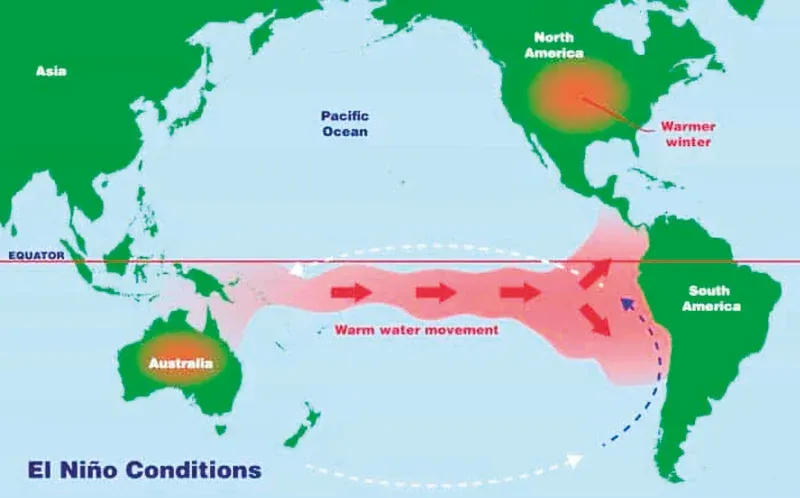
ලෝක ආහාර සැපයුම් දාමයට එල්ලවෙමින් පවතින නවතම අනතුරු ඇඟවීමක් ලෙස, “සුපිරි එල් නිනෝ” තත්ත්වයක් කෙරෙහි ගෝලීය අවධානය දැඩි ව යොමුවී තිබේ. පැසිෆික් සාගරයේ ජල උෂ්ණත්වය අසාමාන්ය ලෙස ඉහළ යෑමෙන් ඇතිවන එල් නිනෝ කාලගුණ සංසිද්ධිය, මේ වසරේ ඉතා ප්රබල තත්ත්වයකට පත්විය හැකි බවට විද්යාඥයින් අන…
ලෝක ආහාර සැපයුම් දාමයට එල්ලවෙමින් පවතින නවතම අනතුරු ඇඟවීමක් ලෙස, “සුපිරි එල් නිනෝ” තත්ත්වයක් කෙරෙහි ගෝලීය අවධානය දැඩි ව යොමුවී තිබේ. පැසිෆික් සාගරයේ ජල උෂ්ණත්වය අසාමාන්ය ලෙස ඉහළ යෑමෙන් ඇතිවන එල් නිනෝ කාලගුණ සංසිද්ධිය, මේ වසරේ ඉතා ප්රබල තත්ත්වයකට පත්විය හැකි බවට විද්යාඥයින් අනතුරු අඟවා තිබෙන අතර, ඒ හේතුවෙන් ලෝක ආහාර මිල, වගා නිෂ්පාදනය, පොහොර සහ ඉන්ධන පිරිවැය මත නව පීඩනයක් එල්ලවනු ඇතැයි ආර්ථික විශ්ලේෂකයෝ පෙන්වා දෙති.
මෙම අවදානම කොතරම් බරපතළ ද යන්න කියාපාමින්, මූල්ය ලෝකය පවා ඒ වෙනුවෙන් දැන් දැන්ම සූදානම්වෙමින් සිටී.
බ්ලූම්බර්ග් වාර්තාවකට අනුව, Moreton Capital Partners නම් හෙජ් අරමුදල් සමාගම, එල් නිනෝ හේතුවෙන් මිල හා සැපයුම් තත්ත්වයන් වෙනස් විය හැකි භාණ්ඩ වෙළඳපොළ ඉලක්ක කරමින් ඩොලර් මිලියන 500ක විශේෂ භාණ්ඩ අරමුදලක් පිහිටුවීමට සූදානම් වෙයි. එම අරමුදල, දකුණු අප්රිකානු ඉරිඟු, මැලේසියානු පාම් තෙල්, ඔස්ටේ්රලියානු තිරිඟු වැනි භාණ්ඩ වෙළඳාමට යොමු වීමට නියමිතය.
Moreton Capital සමාගමේ සම-නිර්මාතෘ ලේ ෆයින්මෝ පවසන්නේ, වෙළඳපොළ මේ මොහොතේ එල් නිනෝ අවදානම “නිසි ලෙස තක්සේරු කළ යුතු බවයි. ඔහුගේ අදහස අනුව, මෙය හුදෙක් කාලගුණික සිදුවීමක් නොව, ලෝක ආහාර තත්ත්වයම නැවත සකස් කර දමන බලපෑමක් විය හැකිය.
විද්යාත්මකව, එල් නිනෝ යනු පැසිෆික් සාගරයේ මධ්යම හා නැගෙනහිර කලාපවල ජල උෂ්ණත්වය සාමාන්යයට වඩා ඉහළ යෑමත් සමග ගෝලීය වර්ෂාපතන හා උෂ්ණත්ව රටාවන් විකෘති වන සංසිද්ධියකි. එහි ප්රතිඵලයක් ලෙස, එක් ප්රදේශයකට දැඩි වියළි කාලගුණයක් ඇතිවිය හැකි අතර, තවත් ප්රදේශයකට ගංවතුර, අධික වර්ෂාව සහ වගා හානි සිදුවිය හැකිය.
මේ මාසයේ මුලදී විද්යාඥයින් විසින් එල් නිනෝ තත්ත්වය නිල වශයෙන් තහවුරු කරනු ලැබූ අතර, එය ලොවට මෙතෙක් බලපෑ වාර්තාගත ප්රබලම එල් නිනෝ තත්ත්වයන්ගෙන් එකක් විය හැකි බවට ද අනතුරු ඇඟවීම් පළ වී තිබේ. ඉන්දියාවේ මෝසම් වර්ෂා ආරම්භය ප්රමාද වීම දැනටමත් ඒ අවදානමේ පළමු සංඥාවක් ලෙස සැලකේ. රොයිටර් පුවත් වාර්තා පෙන්වා දෙන්නේ, ඉන්දියාව, අග්නිදිග ආසියාව සහ ඔස්ටේ්රලියාව මෙම වටයේ වැඩි අවදානමකට මුහුණ දිය හැකි කලාප අතර සිටින බවයි.
එමෙන්ම ලෝක බැංකුව අනතුරු අඟවා ඇත්තේ, ආහාර මිල ඉහළ යෑම පිළිබඳ වර්තමාන අපේක්ෂාවන්ටත් වඩා වැඩි පීඩනයක් එල් නිනෝ හේතුවෙන් ඇතිවිය හැකි බවයි. මෙය සිදුවන්නේ, මැද පෙරදිග අර්බුද සහ ඉරානය ආශ්රිත යුද උණුසුම හේතුවෙන් පොහොර හා ඉන්ධන පිරිවැය දැනටමත් ඉහළ මට්ටමක පවතින අවස්ථාවකය. එනම්, ලෝක ආහාර පද්ධතියට එකවර බලපාන අංග තුනක් “කාලගුණය, බලශක්තිය සහ පොහොර” එකම වේදිකාවක එකතු වෙමින් තිබේ.
ශ්රී ලංකාවට මෙම තත්ත්වය බලපාන්නේ කෙසේද?
ශ්රී ලංකාව වැනි ආනයන මත තවමත් සැලකිය යුතු ලෙස රඳා පවතින, විදේශ විනිමය පීඩනයෙන් සම්පූර්ණයෙන් මිදී නොමැති, කෘෂිකාර්මිකව ද මෝසම් රටාවන්ට අතිශයින් සංවේදී රටකට, “සුපිරි එල් නිනෝ” යනු දුරස්ථ ලෝක පුවතක් නොව, ගෘහස්ථ ආර්ථිකයට සෘජුවම ඇතුළු විය හැකි ආනයනික අර්බුදයක් විය හැකිය.
පළමුව, ආහාර ආනයන වියදම ඉහළ යෑමේ අවදානමක් එමගින් උද්ගත කරනු ඇත. ඉන්දියාව, තායිලන්තය, ඉන්දුනීසියාව, මලයාසියාව සහ ඔස්ටේ්රලියාව වැනි රටවල් එල් නිනෝ හේතුවෙන් වගා හා අපනයන පීඩනයට ලක් වුවහොත්, සහල්, සීනි, පරිප්පු, ආහාර තෙල්, පශු ආහාර හා අනෙකුත් මූලික භාණ්ඩවල ජාත්යන්තර මිල ඉහළ යා හැකිය. විශේෂයෙන්ම ඉන්දියාවේ මෝසම් වැසි අඩාල වුවහොත්, එරටින් කලාපයට එන සහල්, සීනි හා වෙනත් කෘෂි භාණ්ඩ සැපයුම් පිළිබඳ අනතුරු මතු විය හැකිය. ඉන්දියාවේ මෝසම් ප්රමාදය සහ සීනි අපනයන පීඩනය පිළිබඳ දැනටමත් වාර්තා පළවී ඇත.
දෙවනුව, දේශීය කෘෂිකර්මාන්තයට කාලගුණික පීඩනය වැඩි විය හැකිය. ශ්රී ලංකාවේ යල සහ මහ කන්න දෙකම වර්ෂා රටාවන්, ජලාශ පිරීම්, වියළි කලාපීය උෂ්ණත්වය සහ ගොවි ජනතාවගේ ජල ප්රවේශය මත තීරණාත්මකව රඳා පවතී. එල් නිනෝ තත්ත්වයත් සමග වර්ෂා රටාව විකෘති වුවහොත්, වී, බඩඉරිඟු, එළවළු, පලතුරු, පොල් සහ තේ වැනි ක්ෂේත්රවල ඵලදායීතාව පහළ යෑමේ ඉඩක් පවතී. විශේෂයෙන්ම, වියළි කලාප ජලාශ පද්ධතිය මත පීඩනය වැඩිවීම, වගා කාලසටහන් අවුල් වීම සහ ගොවීන්ගේ වියදම ඉහළ යෑම යන ප්රතිවිපාක මතු විය හැකිය.
තෙවැනුව, ආහාර උද්ධමනය නැවත හිස එසවීමේ අවදානම කෙරෙහි රජය සැලකිලිමත් විය යුතුය. ශ්රී ලංකාව පසුගිය වසරවල ඉහළ ආහාර උද්ධමනයෙන් දැඩි ලෙස පීඩාවට පත් වූ අතර, එම පීඩනය තරමක් අඩු වූයේ දේශීය සැපයුම යම් මට්ටමකට යථා තත්ත්වයට පත් වීම සහ ජාත්යන්තර මිල පහළ යෑම නිසාය. නමුත් එල් නිනෝ හේතුවෙන් ලෝක වෙළඳපොළ මිල ඉහළ ගියහොත්, එය නැවත වෙළඳපොළට ආනයනික උද්ධමනය ලෙස පැමිණිය හැකිය. එහි බර අවසානයේ වැටෙන්නේ පාරිභෝගිකයාගේ බඩු මල්ල මතය.
සිව්වනුව, විදේශ විනිමය සහ රාජ්ය මූල්ය කළමනාකරණයට එමගින් අමතර පීඩනයක් එල්ල විය හැකිය. ශ්රී ලංකාවට ආහාර, ඉන්ධන සහ ඇතැම් කෘෂි ආදාන ආනයනය සඳහා තවමත් විදේශ මුදල් අවශ්ය වේ. ලෝක වෙළඳපොළේ මිල ඉහළ යෑමෙන්, ආනයන බිල වැඩිවීමත් සමග රුපියල, වෙළඳ ශේෂය සහ ජීවන වියදම මත ද්විත්ව පීඩනයක් එල්ල විය හැකිය.
එබැවින් “සුපිරි එල් නිනෝ” තත්ත්වය පිළිබඳ මේ අනතුරු ඇඟවීම ශ්රී ලංකාවට කියා දෙන්නේ එක් සරල කරුණකි.
කාලගුණය දැන් හුදෙක් පරිසර පිළිබඳ කතාවක් පමණක් නොව, ආහාර සුරක්ෂිතතාව, විදේශ විනිමය, උද්ධමනය සහ ජාතික ආර්ථික ස්ථාවරත්වය තීරණය කරන භූ-ආර්ථික සාධකයක් බවට පත්ව තිබේ.
එවැනි තත්ත්වයකදී ශ්රී ලංකාවට කළ යුත්තේ, අත්යවශ්ය ආහාර සංචිත සහ ආනයන සැලසුම් කලින් සකස් කිරීම, ජල කළමනාකරණය සහ වාරි පද්ධති සූදානම් කිරීම, පොහොර හා බීජ සැපයුම් ස්ථාවර කර ගැනීම, සහල්, පරිප්පු, සීනි, ආහාර තෙල් වැනි මූලික භාණ්ඩවල මිල අවදානම් කලින් නිරීක්ෂණය කිරීම, කාලගුණ අනාවැකි, ගොවි උපදේශන සහ වෙළෙඳපොළ දත්ත එකට බැඳී ක්රියාකරන පූර්ව අනතුරු ඇඟවීමේ ආහාර-ආර්ථික ප්රතිචාර යාන්ත්රණයක් සකස් කිරීමයි.
මන්ද, ලෝක වෙළඳපොළ තවමත් මේ අවදානම සම්පූර්ණයෙන් මිල කර නොමැති වුවද, එහි බලපෑම අවසානයේ ගොවි බිමෙන් ආරම්භ වී පාරිභෝගිකයාගේ ආහාර පාන පිරුණු බඩු මල්ලට පැමිණ නතර විය හැකි බැවිනි.
එල් නිනෝ තවමත් වායුගෝලයේ සංසරණය වන්නක් පමණක් නොවෙයි. එය ඉදිරියේදී ලෝක ආහාර මිල පුවරුවලත්, ආනයන බිල්පත්වලත්, ශ්රී ලංකාවේ සාමාන්ය ජනතාවගේ දෛනික ජීවන වියදම තුළත් කියවිය හැකි නව ගෝලීය අනතුරු ඇඟවීමක් බවට පත්වනු නිසැකය.
විජය දිසානායක