

By Suresh R.I. Perera, Tax principal at KPMG Two taxes. One word. Very different animals. There is a growing tendency to use “VAT on digital services” and “digital services tax interchangeably. They are not the same thing; and conflating them leads to real compliance errors. VAT…
By Suresh R.I. Perera, Tax principal at KPMG
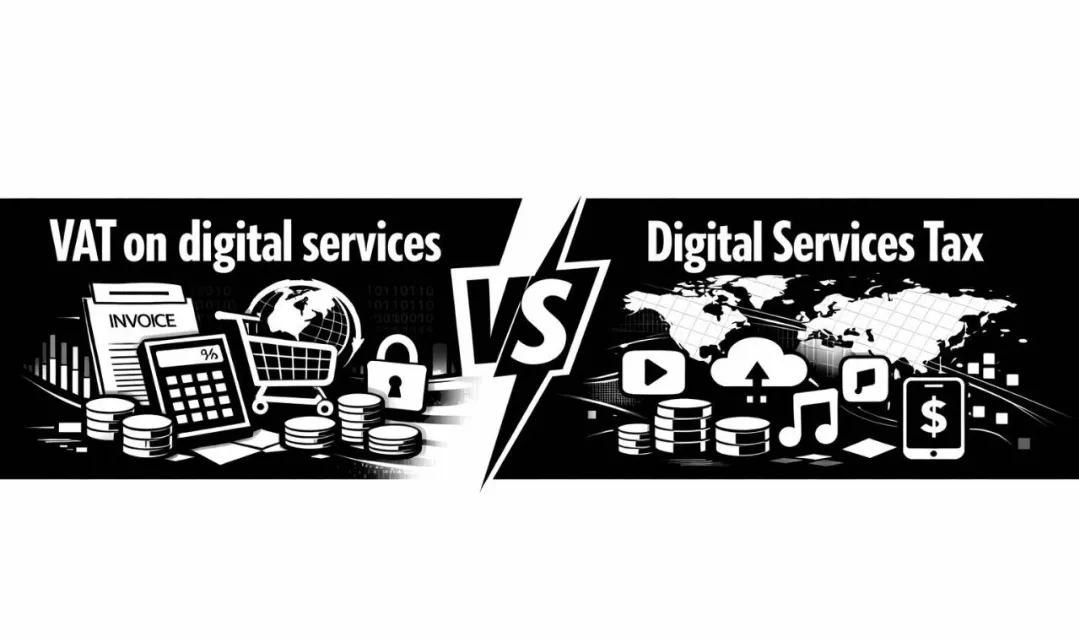
Two taxes. One word. Very different animals. There is a growing tendency to use “VAT on digital services” and “digital services tax interchangeably. They are not the same thing; and conflating them leads to real compliance errors. VAT on digital services is consumption tax applied to electronically supplied services; streaming, software subscriptions, cloud platforms, online marketplaces; when consumed locally. The tax base is the transaction value. The logic is equivalence: a non resident should not escape VAT simply because the supplier is located offshore. Sri Lanka’s VAT (Amendment) Act No. 4 of 2025 read with VAT Bill 2026 pending legislation operationalized this through a simplified registration regime for non-resident suppliers, B2B carve out and a distinct Chapter IIIC framework. This is VAT. It follows VAT principles ; neutrality, recovery for registered businesses, collection at each supply. A digital services tax (DST), by contrast, is a direct tax ; typically a gross revenue levy; imposed on large multinational technology companies by reference to their revenues derived from a jurisdiction’s users. The UK, France, India (the now-repealed equalisation levy), and Kenya are examples. The tax base is revenue, not consumption. There is no input tax credit mechanism. There is no threshold logic tied to value added. It is a blunt instrument aimed at the perceived mismatch between where digital value is created and where profits are taxed; the same policy gap that animated the OECD’s Pillar One work. The structural differences matter: – VAT is transaction-based; – DST is revenue-based – VAT is theoretically neutral for B2B (input credit) – DST is a cost that sticks – VAT operates within an existing indirect tax framework; – DST is a parallel regime – VAT applies broadly to any electronic supply meeting the threshold – DST typically targets large platforms above a revenue floor – VAT is an internationally accepted norm – DST remains contested and has drawn trade retaliation responses, particularly from the United States. Sri Lanka has implemented the former. It has not enacted the latter, though the policy conversation around taxing digital economy revenues more aggressively is unlikely to go away, particularly as Pillar One’s prospects remain uncertain. When advising clients on cross-border digital transactions, the starting question is always which tax we are actually talking about. They have different legal bases, different compliance obligations, and very different economic incidences. Precision matters. Especially in tax.