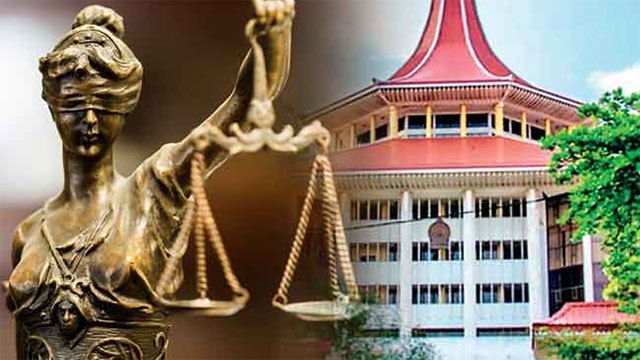
Legal challenges have been mounted against the government's proposed 22nd Amendment to the Constitution, with petitioners arguing it threatens judicial independence and public sovereignty.
The Supreme Court has received 21 petitions challenging the constitutionality of the government's proposed 22nd Amendment to the Constitution. The petitions have been filed by diverse groups including the Bar Association of Sri Lanka, the Young Lawyers' Association, former Minister Prof. G. L. Peiris, and various legal professionals and civil society organizations. The challenges represent significant legal opposition to the amendment's passage.
The proposed amendment contains several provisions aimed at reforming the judiciary, most notably increases to the retirement ages of senior judges. Under the Bill's proposals, Supreme Court judges would retire at 67 instead of 65, while Court of Appeal judges would retire at 65 instead of 63. The government has argued these changes are necessary to strengthen the judicial system and address case backlogs and delays.
However, petitioners have raised constitutional concerns about the amendment's implications for judicial independence and the separation of powers. They have specifically questioned provisions that would apply the new retirement ages to judges already serving, contending such retroactive application could compromise judicial impartiality. The petitioners argue that the amendment could undermine public sovereignty and the independence of the courts.
Crucially, petitioners are seeking a Supreme Court ruling that the amendment requires public approval through referendum, in addition to parliamentary majority, before it can become law. Under Sri Lanka's constitutional framework, the Supreme Court has authority to determine whether a Bill is inconsistent with the Constitution when challenged within the prescribed period following parliamentary presentation. The Court's determination will be decisive in establishing whether the amendment can proceed through normal parliamentary procedures or whether a referendum is constitutionally mandated.

-852242_850x460.jpg)