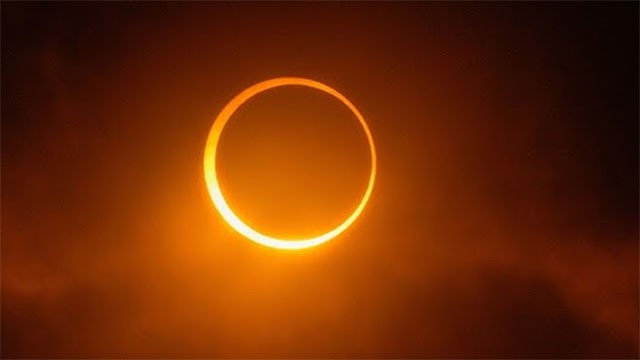
Iceland is preparing for a rare total solar eclipse on August 12, marking the first visible from the capital Reykjavík in nearly 600 years, with thousands of international visitors expected to converge on the country's western regions.
Iceland is set to experience a total solar eclipse on August 12, an astronomical event that has not occurred over the country since 1954 and will not be visible from Reykjavík again until 2196. The western Snæfellsnes Peninsula is anticipated to offer some of the world's most optimal viewing conditions, attracting international eclipse enthusiasts alongside tourists seeking the rare natural phenomenon.
The small fishing village of Hellissandur, with a resident population of approximately 400 people, is among communities preparing for a significant surge in visitors. The region is expected to welcome up to 20,000 additional overseas visitors, placing considerable strain on accommodations in a nation with fewer than 400,000 inhabitants. Hotels across Iceland have been reportedly booked months and even years in advance due to the anticipated demand.
The Snæfellsnes Peninsula will host a five-day eclipse festival at the base of Snæfellsjökull glacier overlooking the North Atlantic. According to festival director Mitch Morales, the event is drawing a diverse demographic that spans from astronomy professionals and astronauts to spiritual practitioners exploring alternative perspectives. The eclipse is expected to draw crowds to multiple vantage points, including Reykjavík, the Reykjanes Peninsula, and the Westfjords.
Authorities are emphasizing safety precautions for observers. Direct viewing of the sun without ISO-certified eclipse glasses can cause permanent eye damage, making proper eye protection essential for anyone witnessing the event. Tourist Andrea Martin, who previously observed the 2024 eclipse in North America, highlighted the dramatic difference between partial and total eclipse experiences, describing the total eclipse as a transformative spectacle.