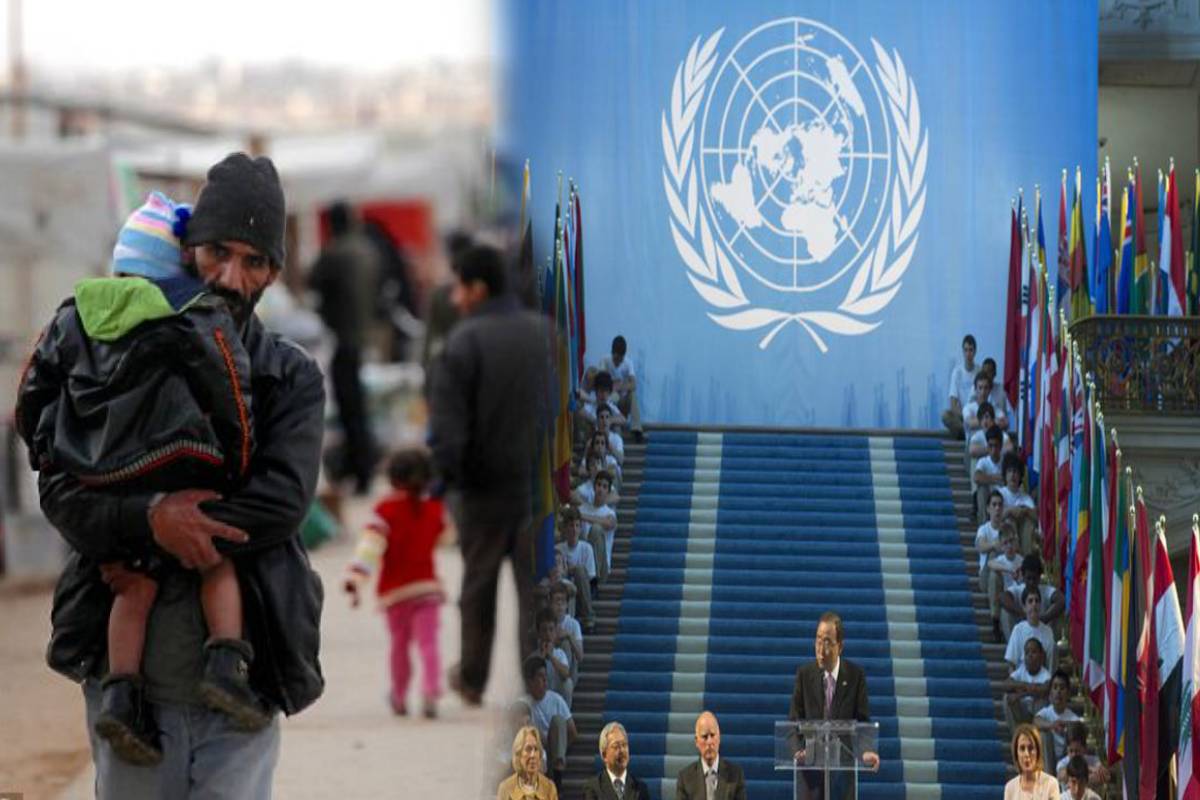
The 1951 UN Refugee Convention celebrates its 75th anniversary as a landmark agreement protecting those fleeing persecution, though over 41 million people currently live as displaced persons worldwide, and the agreement faces new challenges.
The United Nations Refugee Convention, established in 1951 following the devastation of World War II, has reached its 75th anniversary as a foundational international agreement protecting the rights of asylum seekers. The convention was created to provide sanctuary for people escaping war and persecution, and has historically saved millions of lives worldwide through its framework of international protections.
However, the current global landscape presents significant challenges to the convention's principles. According to Tamil media reports, more than 41 million people are currently displaced and living as refugees globally. The convention's authority is being tested by new policy approaches, including recent restrictions announced by the United States administration and increased border controls implemented by various nations. Human rights advocates emphasize that with over 130 armed conflicts active worldwide, the refugee protection framework requires strengthening rather than weakening.
The convention's cornerstone principle—known as non-refoulement—prohibits returning individuals to countries where they face persecution or mortal danger. Despite this legal protection, disparities persist in how different nations uphold refugee rights. Bangladesh, for instance, has not signed the convention, leaving Rohingya refugees from Myanmar's military violence living in precarious conditions in camps without formal legal status. Meanwhile, other nations have successfully integrated refugees, as evidenced by cases ranging from athletes competing in the Olympics to prominent human rights professionals now contributing to their adopted societies.
Stories from individual refugees illustrate both the convention's historical success and ongoing vulnerabilities. Palestinian refugees have remained in Lebanese camps for over 70 years without formal legal protection or education access, while survivors from various conflicts have found safety and opportunity elsewhere. As the convention enters its eighth decade, rights organizations are calling for renewed commitment to its principles amid escalating global displacement challenges.




-558030_850x460.jpg)
-558031_850x460.jpg)
-558032_850x460.jpg)
-558033_850x460.jpg)
-558066_850x460.jpg)