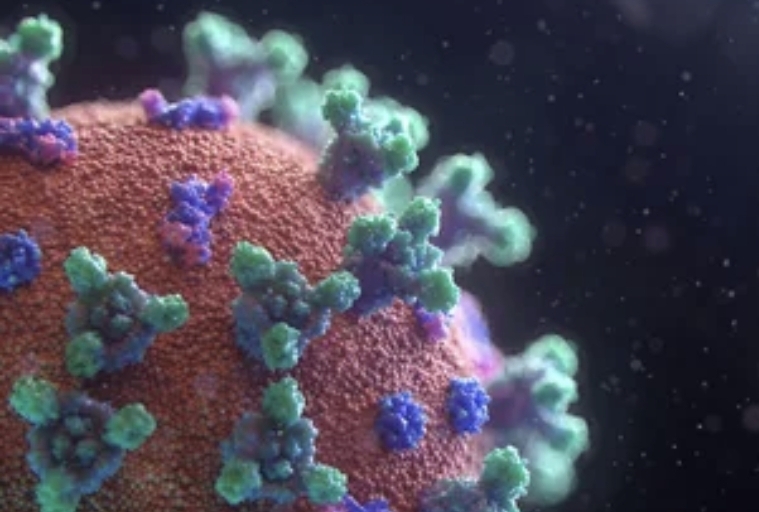
Researchers at Stanford University have successfully used artificial intelligence to design 16 new bacteriophages that can replicate in laboratory conditions, marking a significant advance in synthetic biology while raising biosecurity concerns.
Scientists at Stanford University have achieved a first by employing artificial intelligence to design entirely new viruses capable of functioning and reproducing in controlled laboratory settings. The team created 16 bacteriophages—viruses that target bacteria rather than human cells—using AI models trained on genetic sequences derived from existing viruses, bacteria, plants and humans. The research findings appear in the journal Science and demonstrate a major step forward in AI-assisted synthetic biology.
The breakthrough has potential applications in treating antibiotic-resistant bacterial infections through phage therapy, an emerging medical approach that uses viruses to combat harmful bacteria. The researchers deliberately took precautions during their work, excluding any human-infecting viruses from the AI training dataset and conducting experiments in secure laboratory facilities to minimise safety risks.
Despite the therapeutic promise, the development has prompted warnings from experts about biosafety and biosecurity implications. Specialists have flagged concerns that without sufficient protective measures, the technology could potentially be misused to design harmful viruses in the future. The Stanford team's approach to risk mitigation—including restricted training data and controlled laboratory conditions—underscores the researchers' awareness of these dangers.