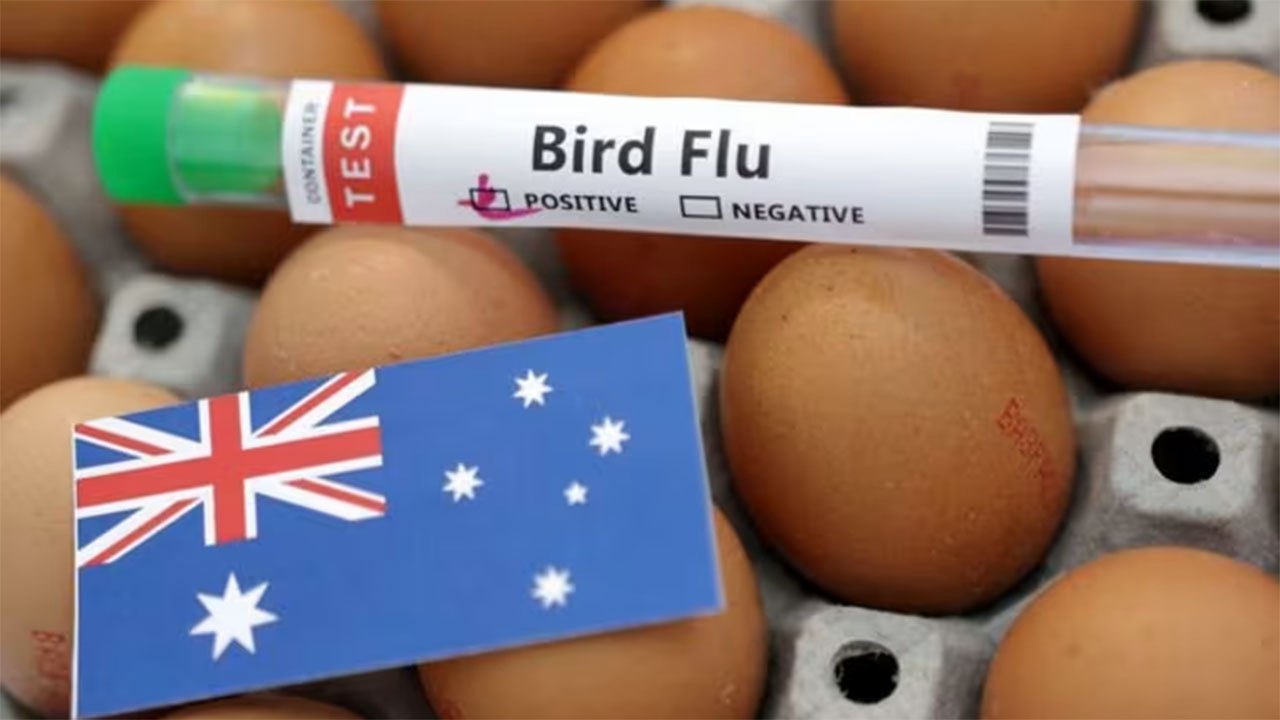
Australia has identified its first case of H5N1 avian influenza in a mammal after a long-nosed fur seal tested positive in South Australia, marking an escalation of the outbreak that began in June.
Australian authorities confirmed on Sunday that a long-nosed fur seal found dead near Beachport in South Australia has tested positive for H5N1 bird flu, marking the country's first detection of the virus in a mammal. The seal, discovered approximately 310 kilometres south of Adelaide, showed no visible signs of injury, according to local officials. Federal Agriculture Minister Julie Collins stated that the death did not appear linked to other sick or deceased marine mammals in the area.
The detection represents a significant development in Australia's escalating bird flu outbreak, which began when the highly pathogenic avian influenza first arrived in the country in June. Initially spreading through migratory seabirds, the virus has since infected native bird species, with mass seabird deaths reported this month. According to federal authorities, 297 confirmed cases of the virus have been identified nationwide, though the outbreak has not yet reached domestic poultry or agricultural operations.
Experts attribute the seal's infection to its proximity to infected wild birds. South Australia's chief veterinary officer Skye Fruean explained that seals living on coastal rocky outcrops share environments with seabirds and are therefore exposed to high concentrations of the virus. With an estimated population of 100,000 seals inhabiting South Australian waters, the detection raises concerns about potential spread among marine mammals. Federal officials acknowledged that once H5N1 establishes itself in natural environments, significant wildlife losses become difficult to prevent. This incident follows previous detections on sub-Antarctic territories, where the virus killed over 13,000 seal pups.