

Baby Memorial Hospital in India has highlighted significant improvements in scoliosis surgery safety and outcomes, announcing tailored financial and logistical support measures for Sri Lankan families seeking treatment.
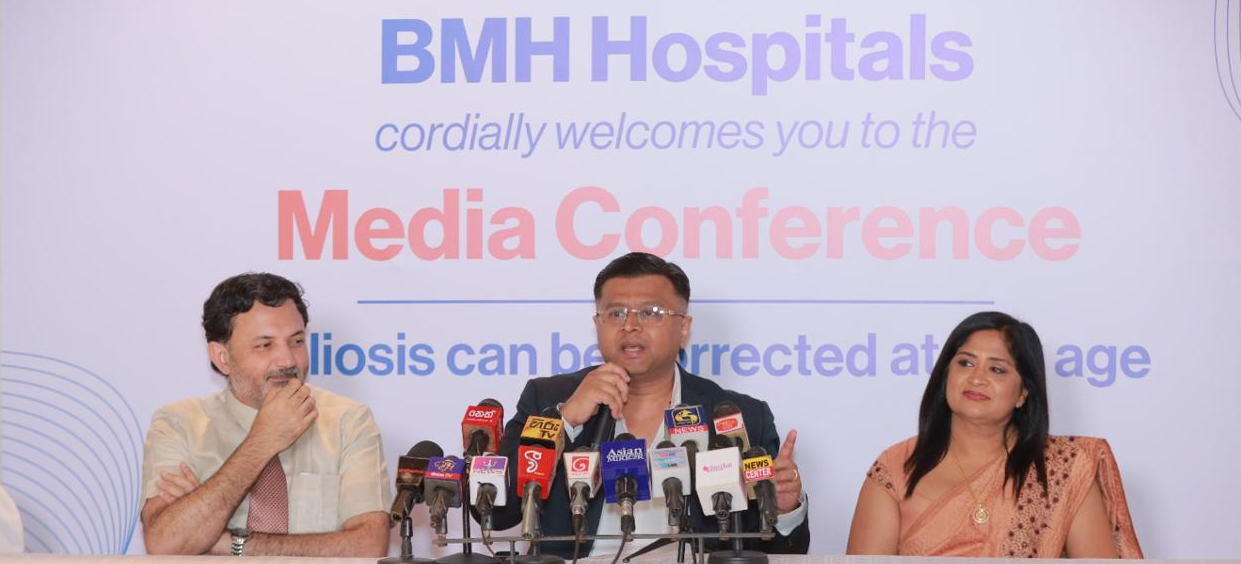
Doctors from Baby Memorial Hospital (BMH) in India outlined recent technological and procedural breakthroughs in scoliosis surgery during a briefing held in Colombo on July 31, 2026. The event, titled 'Recent Advancements in Spine Surgery,' featured Dr. Ananth Pai, Cluster CEO of BMH Hospital, and Dr. Easwar Ramani, Lead Surgeon for Scoliosis and Surgical Care, who emphasised that the condition—characterised by spinal curvature—often involves complications affecting the heart, lungs, joints, and other bodily systems.
Dr. Ramani explained that BMH employs a multidisciplinary treatment approach rather than relying on a single surgeon, coordinating specialists across various fields when necessary. The hospital utilises advanced technologies including real-time neuromonitoring to track nerve function during procedures and surgical navigation systems that function similarly to GPS to ensure precise placement of titanium implants. Intraoperative X-rays provide additional confirmation of correct positioning before surgery concludes. For younger patients, the hospital offers growing rods adjustable through small incisions, allowing treatment to begin as early as four-and-a-half years of age, with permanent procedures typically performed around age 12.
Addressing parental concerns about risks such as nerve damage or paralysis, Dr. Ramani noted that non-surgical interventions—including specialised braces, physiotherapy, and exercises—may be sufficient depending on the severity of curvature. Early detection during growth spurts, typically between ages 7 and 12, often allows treatment through bracing alone, avoiding surgical intervention.
Dr. Pai outlined financial and logistical support for Sri Lankan patients, stating that BMH's treatment costs are significantly lower than comparable international care. Families facing financial hardship receive a 20 percent discount on actual costs, while those unable to arrange travel receive sponsored flight tickets, accommodation, and transportation. The hospital maintains post-treatment contact through regular consultations via phone and WhatsApp, describing care as an ongoing process with reviews scheduled at three- and six-month intervals.



-850334_850x460.jpg)