A major environmental study reveals that Brazil has lost native vegetation coverage equal to twice the size of France over four decades, with researchers warning that deforestation is intensifying the country's exposure to severe weather from the developing El Niño pattern.
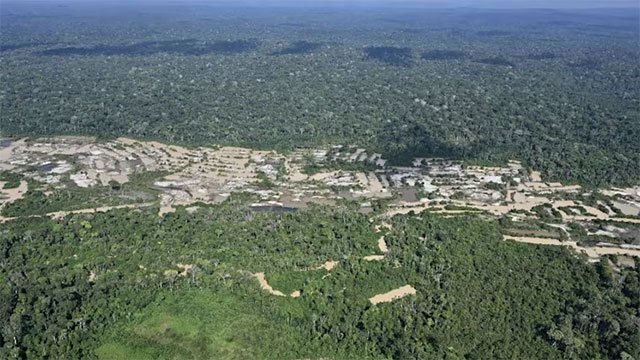
Environmental monitoring network MapBiomas has documented a significant decline in Brazil's natural vegetation, with native plant coverage dropping from 79 percent of the nation's territory four decades ago to just 65 percent today. The losses have been particularly acute in the Amazon rainforest and the Cerrado savanna, two ecologically vital regions. The converted land has primarily been repurposed for agricultural and livestock operations, which now occupy 32 percent of Brazil's territory compared to 18 percent in 1985.
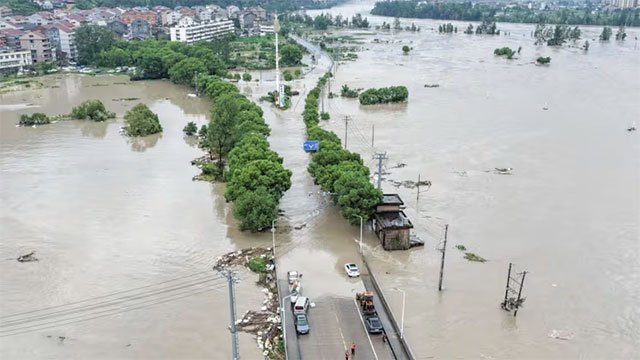
Researchers have identified a concerning correlation between deforestation patterns and increased vulnerability to extreme weather during El Niño events. According to MapBiomas general coordinator Tasso Azevedo, deforested Amazon areas experienced notably steeper rainfall declines during the 2023-2024 El Niño compared to forested regions. Conversely, agricultural zones in southern grasslands recorded excess rainfall relative to native vegetation areas. Rio Grande do Sul, a southern state heavily affected by agricultural expansion, experienced devastating floods in 2024 that claimed approximately 200 lives.
Scientists suggest that removing forest cover reduces evapotranspiration and local air humidity, leading to increased temperatures and diminished rainfall—effects that El Niño subsequently amplifies. "Land-use patterns don't change El Niño itself, but they can alter the impact it has," Azevedo explained. With Brazil's government and agricultural organizations warning of a potentially severe El Niño this year, driven by Pacific Ocean temperatures exceeding normal levels by two degrees, concerns mount over impacts on major crops including coffee, soy, and sugar.