After 110 days of excavation across three phases at the alleged Chemmani mass grave site in Jaffna, authorities have recovered 583 sets of human remains. However, archaeological, forensic and carbon-14 testing remain incomplete, with major decisions expected in October.
The third phase of excavation at the Chemmani site in Jaffna concluded on August 19, bringing the total recovery of human remains to 583 sets across 110 days of fieldwork. The excavation was conducted in three phases, approved for nine days initially, followed by 45 days, and finally 56 days respectively. The remains included 51 clusters, raising questions about the scale and nature of the burial site.
Artefacts recovered during the final excavation days have been handed to archaeologist Professor Raj Somadeva, who is expected to submit a report on their dating by September 30. Notably, eight sets of remains were discovered in test pits outside the main excavation areas, suggesting that additional skeletal remains may exist beyond the principal site. These discoveries have prompted discussions about expanding the geographical scope of investigations.
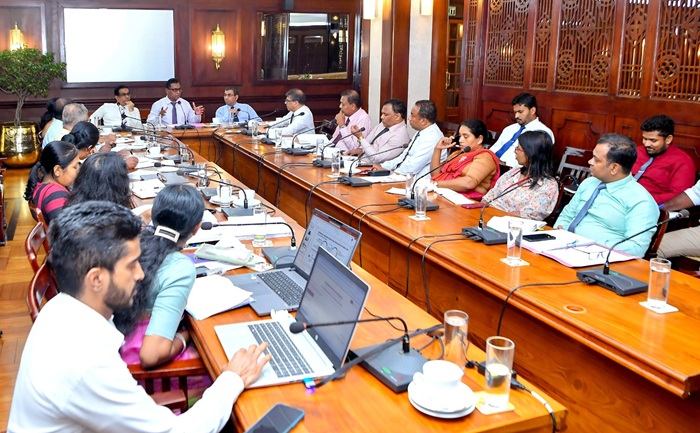
The completion of excavation does not conclude the wider investigation. A Judicial Medical Officer's report on nine sets of remains, together with Somadeva's archaeological findings, will be reviewed at an administrative meeting scheduled for October 14. The Criminal Investigation Department has indicated that carbon-14 testing is required, with decisions on this testing expected at the same meeting. There is also discussion of a potential fourth phase of excavation lasting up to 28 days, pending court approval and Ministry of Justice funding.
The Chemmani site has historical significance, linked to the 1996 murder of schoolgirl Krishanthy Kumaraswamy by Sri Lankan soldiers, an incident that eventually led to the discovery of mass graves in the area. The excavation comes weeks before the 30th anniversary of that case.