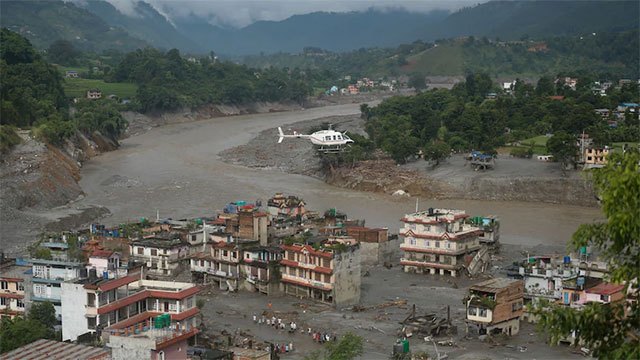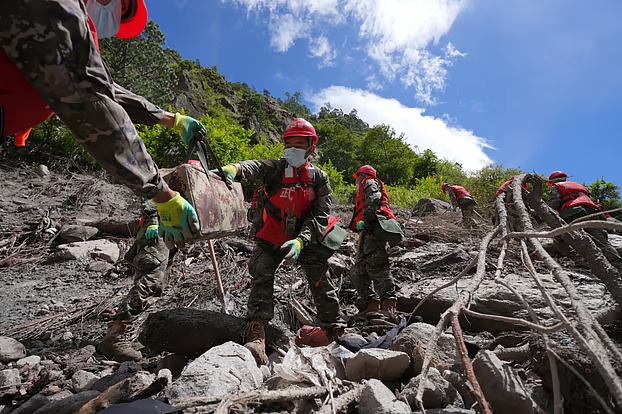
Following a deadly flash flood in the Kyirong area of Tibet that extended into Nepal, concerns have emerged about the extent of casualty reporting and access to information from the affected Chinese region.
A flash flood originating in Tibet's Kyirong area has triggered accusations that Chinese authorities may be restricting the flow of information about the disaster's true scale. According to Tibetan Review, which cited international media reports, questions have surfaced regarding whether information from the affected Tibetan region is being limited. China has officially reported seven deaths and 554 people missing on its side of the border, though independent verification of these figures remains difficult due to restricted access to disaster zones.
The publication raised concerns about the disappearance of flood-related videos and local accounts from Chinese social media platforms shortly after they were posted. Additionally, international media has reported challenges in locating disaster footage on China's controlled internet systems, despite dramatic videos of the flooding circulating globally. Chinese state media coverage has reportedly emphasized rescue operations and government directives, with comparatively limited content featuring survivor testimony or direct documentation from affected Tibetan communities.
China's emergency response has been substantial, with hundreds of personnel deployed to the region. Premier Li Qiang visited the affected area, and President Xi Jinping convened an emergency meeting to coordinate relief efforts. However, the publication acknowledged that allegations of deliberate information concealment have not been independently verified. Tibet's strict restrictions on foreign journalists and independent researchers significantly complicate external verification of developments in the region. The flood subsequently crossed into Nepal, where hundreds of deaths have been reported, prompting major search-and-rescue operations on both sides of the border.