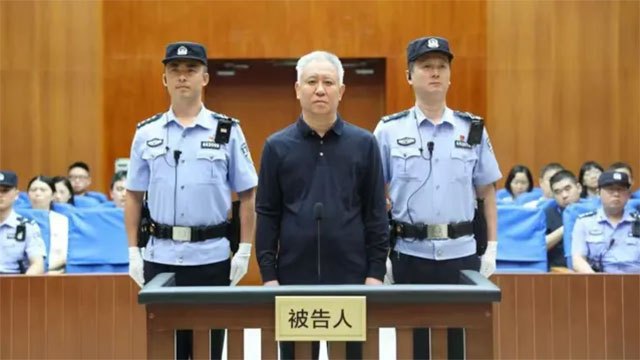
Hui Ka Yan, billionaire founder of China's most-indebted property developer, has been handed a life sentence by a Shenzhen court for financial crimes including fraud and misuse of funds. The conviction marks a significant moment in China's ongoing property sector crisis.
The founder of China Evergrande Group received a life prison sentence on Thursday following his guilty plea to eight charges in April, including misuse of funds, fundraising fraud, and unlawfully collecting public deposits. The Shenzhen court additionally ordered the confiscation of all his personal property as part of the conviction.
Evergrande, which was once China's leading property developer, has been severely troubled since 2021, when it began defaulting on approximately $300 billion in liabilities. The company's financial collapse has become emblematic of a broader crisis within China's property sector, an industry that has significantly constrained growth in the world's second-largest economy.
Beyond Hui's sentence, authorities levied substantial corporate penalties. The court fined Evergrande 8.82 billion yuan (approximately $1.31 billion) and its primary subsidiary, Hengda Real Estate, 7 billion yuan. Additionally, five other senior executives within the company received sentences ranging from six to eighteen years in prison, alongside financial penalties.
Despite these legal consequences, observers note the verdict is unlikely to provide meaningful relief to the company's extensive network of domestic and international creditors. Hui's conviction, while concluding his journey from poverty to billionaire status, represents a pivotal moment in addressing accountability within China's troubled real estate industry.