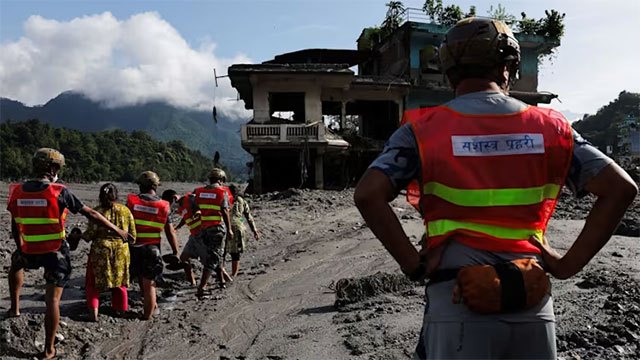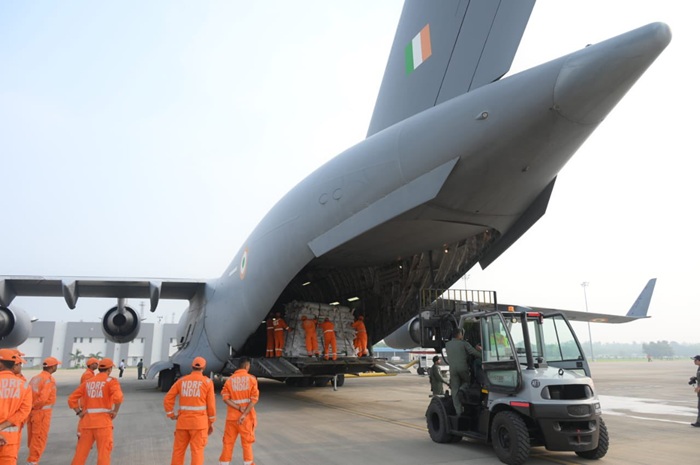
Chinese authorities have restarted rescue operations near the China-Nepal border after determining that risks from a massive glacier-formed lake have stabilized, though hundreds remain missing from the initial flooding.
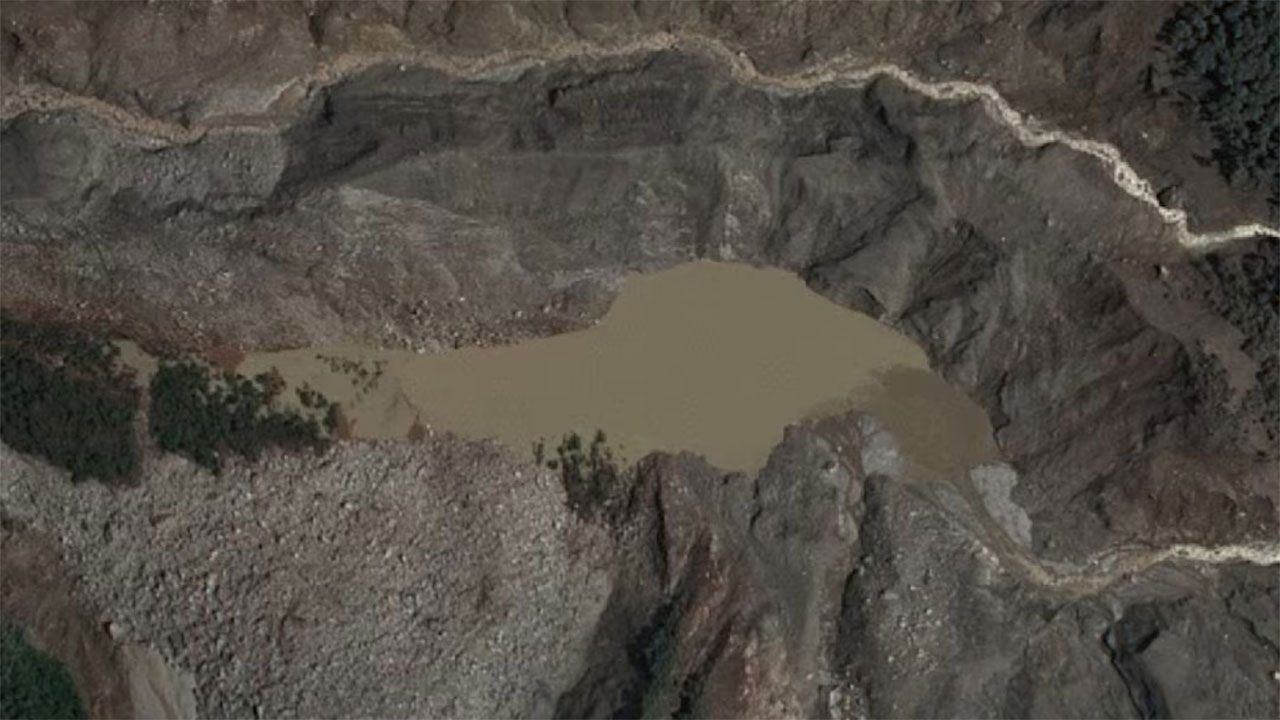
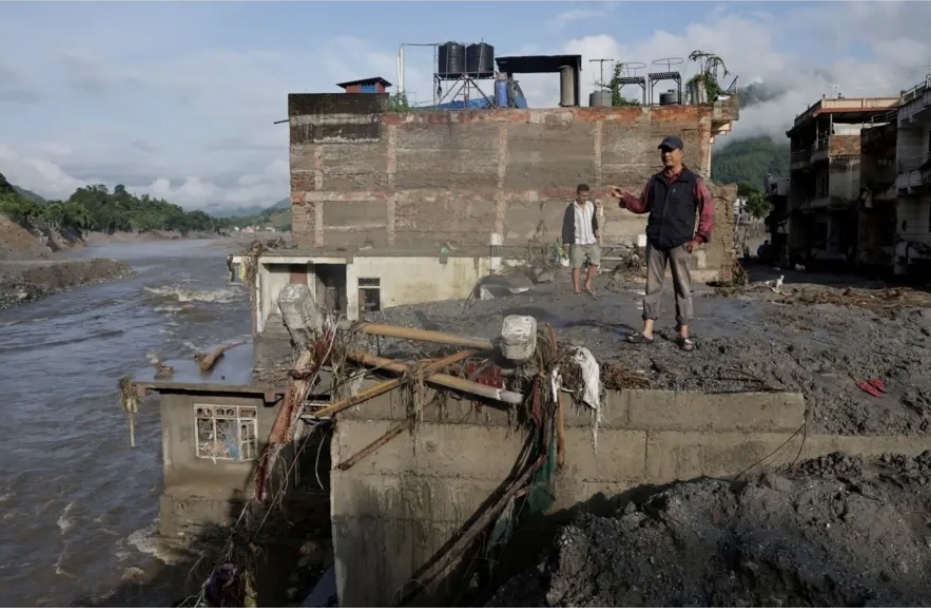
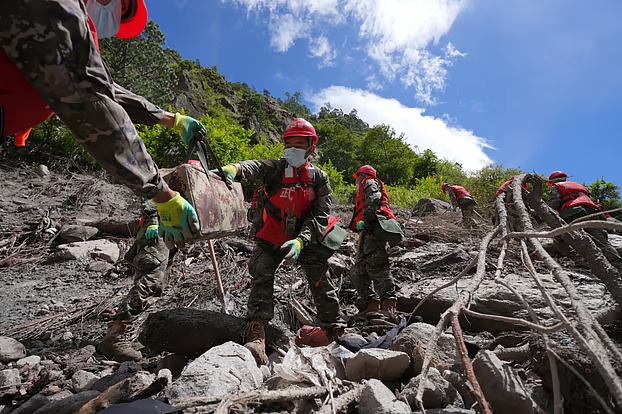
Rescue operations resumed Friday afternoon along the China-Nepal border following an assessment that an overflowing barrier lake no longer poses an immediate catastrophic threat. The operations had been suspended earlier in the day due to concerns about potential dam failure and secondary hazards including landslides and avalanches. The lake, which straddles the international border upstream of the Gyirong crossing, formed after a glacier collapse triggered severe flooding on Wednesday that destroyed infrastructure and displaced numerous people and vehicles.
According to Chinese state media, the lake's water volume has grown to exceed 2.5 million cubic metres, surpassing earlier estimates of 1.5 to 2 million cubic metres recorded by an eight-member engineering team. The team conducted aerial surveys and three-dimensional modelling to evaluate the structural integrity of the natural barrier holding back the water. Access to the site proved challenging due to steep cliffs and isolated terrain created by the glacier collapse, while light to moderate rainfall in the area adds uncertainty to the situation.
Chinese officials had previously warned of potentially severe developments, noting that up to 3 million cubic metres of additional water could accumulate over three days, with peak flow anticipated around September 1st. The forecast indicates rainfall may persist throughout the coming week, creating additional pressure on the fragile barrier lake structure. The broader disaster has resulted in significant casualties and missing persons. Tibetan authorities reported five confirmed deaths with 558 people unaccounted for in the region, while overall figures suggest nearly 1,000 missing across both countries, including approximately 540 foreign nationals from 31 countries.