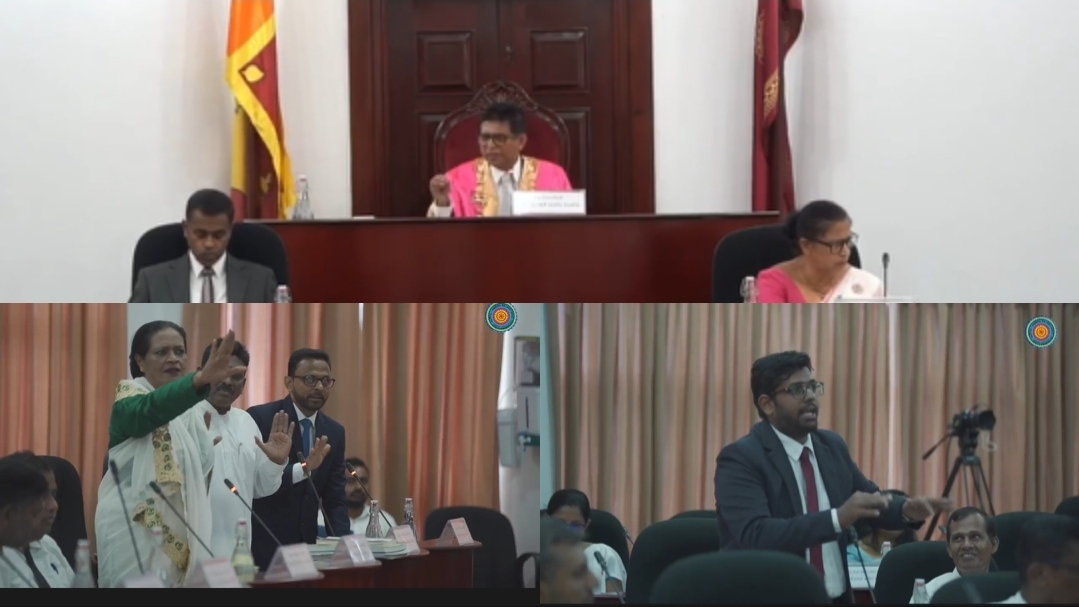
A monitoring committee chaired by the Environment Minister has convened to draft a revised National Action Plan addressing human-elephant conflicts, incorporating changes in elephant migration patterns and land use over recent years.
A monitoring committee tasked with developing a new National Action Plan for managing human-elephant conflicts held discussions at the Parliament Complex, chaired by Environment Minister Dr. Dhammika Patabendi and Deputy Minister Anton Jayakody. The meeting brought together Members of Parliament from districts experiencing significant conflict, officials from environmental and wildlife agencies, and local administrative representatives.
The committee deliberated on establishing community-based conflict management programmes, clearing elephant migration corridors, and creating elephant enrichment zones to address the ongoing tension between wildlife and human populations. Members identified the need to update the 2020 National Action Plan, recognising that elephant migration patterns, forest coverage, and agricultural expansion have shifted substantially in recent years. The decision to formulate a new plan reflects the committee's intention to base interventions on current environmental and demographic data.
While the new action plan is being developed, the Ministry of Environment indicated that the government has already begun implementation of several initiatives. These include clearing elephant corridors, establishing enrichment zones through the "Wanaspathi" national programme, intensifying law enforcement efforts in elephant management reserves, and allocating additional resources to the Department of Wildlife Conservation. The combined approach suggests the government is pursuing both immediate relief measures and longer-term strategic planning to address the conflict.
-849745_850x460.jpg)