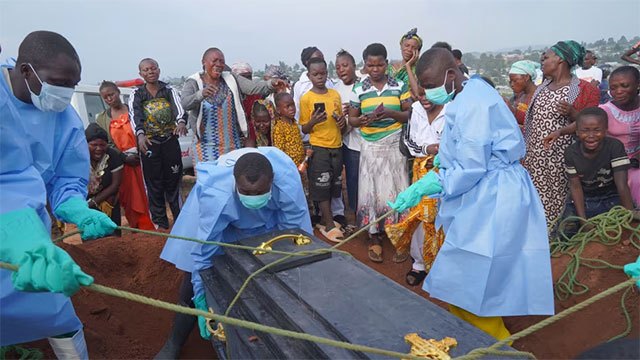
The Democratic Republic of Congo is battling its fastest-growing Ebola outbreak on record, with confirmed deaths now reaching 2,011 according to the latest government data. The Bundibugyo strain outbreak, which doubled its death toll in just three weeks, is being hampered by conflict, infrastructure challenges, and…
The Ebola outbreak in eastern Congo has claimed at least 2,000 lives, marking the fastest progression of deaths in the virus's history. According to government data, there are 4,381 confirmed cases with 2,011 deaths, surpassing mortality milestones significantly faster than the 2014-2016 West African outbreak, which remains the largest in total cases. The outbreak was officially declared in May, though health authorities now indicate the virus began circulating as early as February.
The Bundibugyo strain responsible for the current crisis differs notably from previous outbreaks. It currently has a case fatality rate of 45.9%, higher than the 39.6% rate from the 2014-2016 outbreak caused by the deadlier Zaire strain. However, the Bundibugyo virus lacks approved vaccines or treatments, though clinical trials have begun in Ituri province. Experts attribute the rapid spread to late case identification, with some people seeking traditional remedies before accessing treatment centers. WHO regional director Dr. Mohamed Yakub Janabi stated that early cases were misdiagnosed as malaria and typhoid, further delaying recognition of the outbreak.
Response efforts face substantial obstacles in the remote, conflict-affected eastern provinces bordering South Sudan, Uganda, and Rwanda. Poor road conditions, communication disruptions, and rebel activity complicate disease surveillance and case identification. Dr. Paul Hunter from the University of East Anglia noted that early detection is "nearly impossible" in such settings. Dr. Jean-Marie Akandabo, managing patients at an Ituri clinic, cited limited patient care and inadequate community engagement as major challenges, noting widespread misinformation and historical mistrust of outsiders in affected communities. Authorities have restricted public gatherings and closed the main airport, though mass movements continue due to trade, mining, and conflict-related displacement.