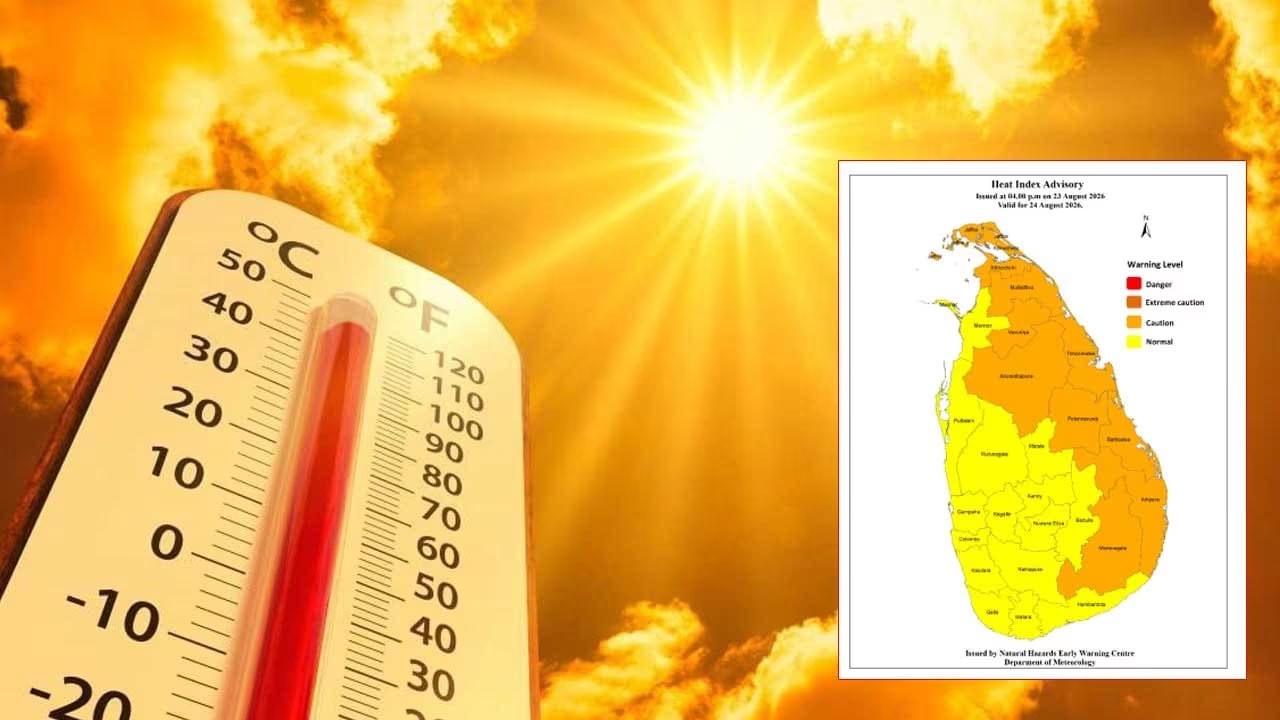

Recent temperatures in parts of Sri Lanka have climbed to near-record levels, with meteorologists warning that the country's longstanding heat record could be challenged in coming years amid shifting climate patterns.
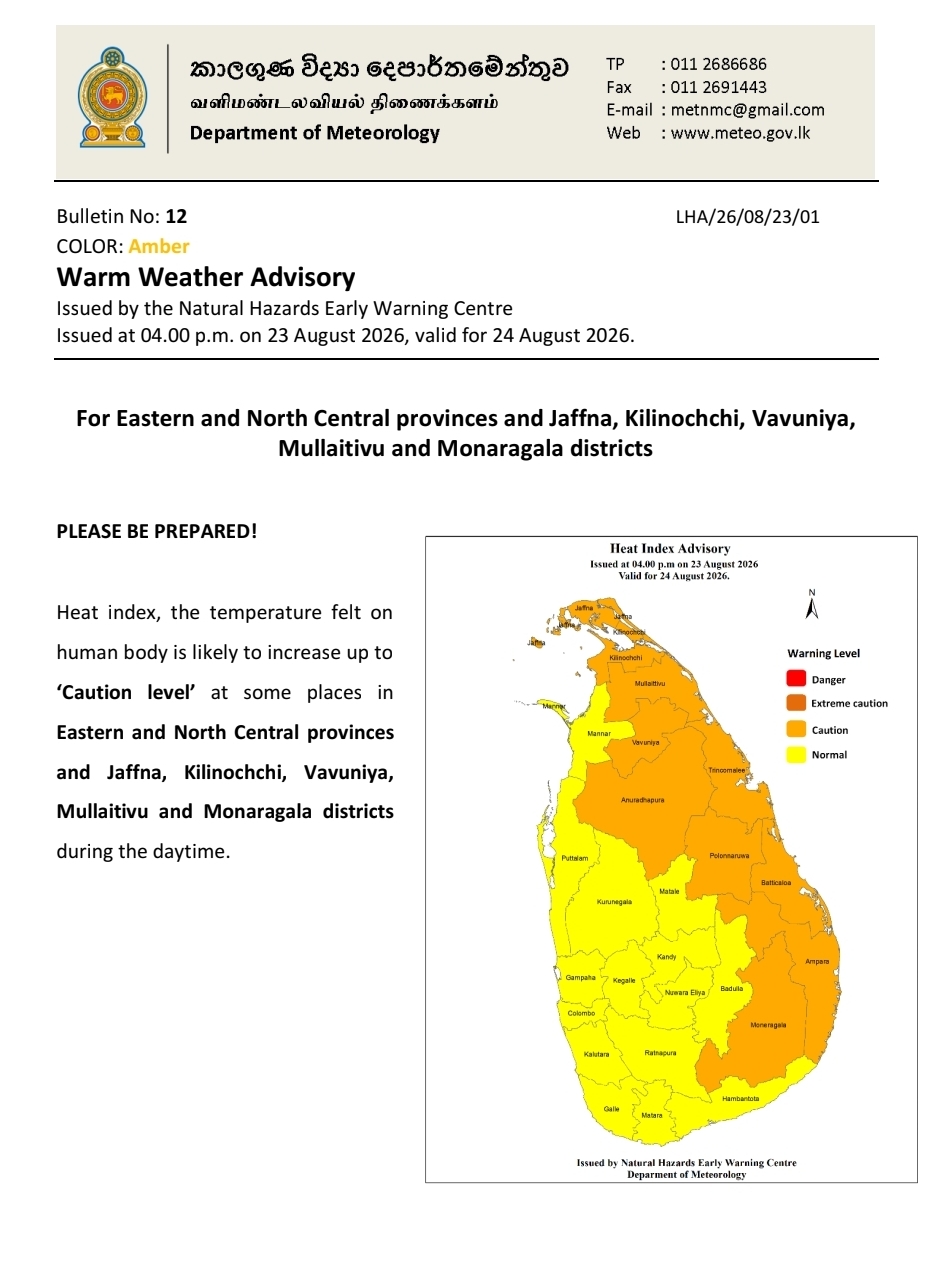
Sri Lanka's highest recorded temperature, set in April 1983, may soon face competition from rising heat levels across the country. According to meteorologist Malith Fernando of the Department of Meteorology, the 1983 record of 40.1°C registered in Vavuniya remains the benchmark, but recent measurements have come remarkably close. Pottuvil has recorded 39.9°C—just 0.2°C below the record—while temperatures in Polonnaruwa have exceeded 37°C, prompting concerns about whether the 40-year-old record will hold through 2027.
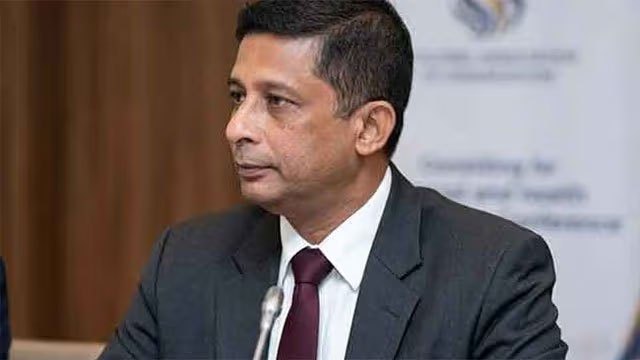
Rainfall patterns across Sri Lanka present a more complicated picture heading into the latter months of the year. Fernando noted that August is anticipated to bring below-normal rainfall to most regions, with southwestern areas representing the main exception where conditions are expected to remain near normal. This trend is expected to shift substantially by October, when forecasts indicate above-normal rainfall could return across much of the country.
The convergence of extreme heat and volatile precipitation patterns complicates predictions about whether Sri Lanka will face drought or flooding conditions in the near term. Fernando explained that the unpredictable nature of these climatic swings means periods of water scarcity could alternate with heavy rainfall events. The meteorologist also clarified that Sri Lanka does not independently monitor El Niño conditions; instead, local forecasters rely on projections from international agencies combined with historical data to assess potential impacts on the island nation.