Sri Lanka has adequate cyber laws comparable to those in many other countries, but weak implementation and low public awareness continue to leave citizens vulnerable to cybercrime, Chair of the ICT Lawyers’ Guild Dr. Sunil Abeyratne said yesterday. Addressing a media briefing in…
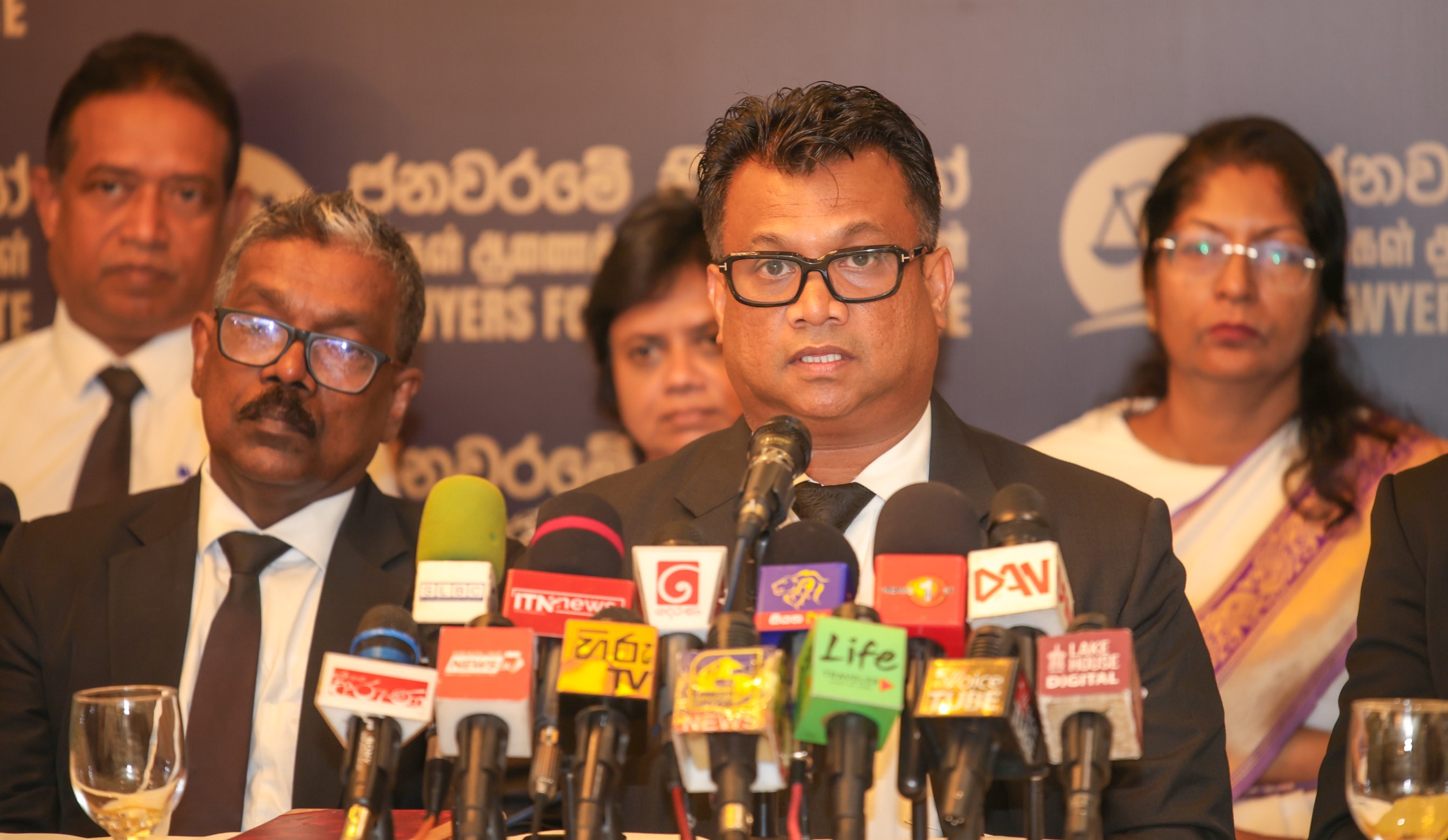
Sri Lanka has adequate cyber laws comparable to those in many other countries, but weak implementation and low public awareness continue to leave citizens vulnerable to cybercrime, Chair of the ICT Lawyers’ Guild Dr. Sunil Abeyratne said yesterday. Addressing a media briefing in Colombo, Dr. Abeyratne said the country had enacted a range of laws to safeguard the rights of individuals and regulate conduct in cyberspace, but enforcement mechanisms remained at an early stage of development. “There are enough cyber laws in Sri Lanka to ensure the rights and duties of all those operating in cyberspace. However, their implementation is still in its infancy, resulting in numerous cybercrimes and victims,” he said. Dr. Abeyratne stressed the urgent need to educate the public on their rights, obligations and responsibilities in the digital sphere to ensure the safe use of cyberspace. His remarks came as organisers announced the ICT Law Conference 2026, to be held on August 1 at the Cinnamon Hotel, Colombo, under the theme “Cybersecurity and the Rule of Law: Building Resilient Digital Governance.” The conference will bring together judges, legal practitioners, academics, policymakers and technology experts to examine the legal and institutional challenges arising from rapid digital transformation. Organisers noted that the event comes at a critical juncture as Sri Lanka implements its National Cyber Security Strategy (2025–2029), while work continues on the proposed Cyber Security Act and Digital Economy Act, which are expected to pave the way for a Cybersecurity Regulatory Authority. The opening ceremony is expected to be attended by the Chief Justice, the Minister of Justice, the Attorney-General, the President of the Court of Appeal, the Deputy Minister of Digital Economy and the President of the Bar Association of Sri Lanka. The keynote address will be delivered by Prof. Ian Walden, Head of the Department of Law at Queen Mary University of London. The conference will feature four sessions covering cybersecurity and technology, evolving cyber laws, cybersecurity in judicial mechanisms and broader policy challenges, including artificial intelligence, e-commerce, digital rights, telecommunications security and cybercrime investigations. The opening session will also feature the launch of Volume 2 of the ICT Law Journal published by the ICT Lawyers’ Guild and the second edition of the Lawyers’ Handbook of ICT Law, both aimed at strengthening legal scholarship in the field of information and communications technology law. Also addressing the media briefing were conference organisers Nirodha Kariyawasam, Anupama Muhandiram, Manori Fernando, Nilukshika Aberathna and Buddhika Alagiyawanna.