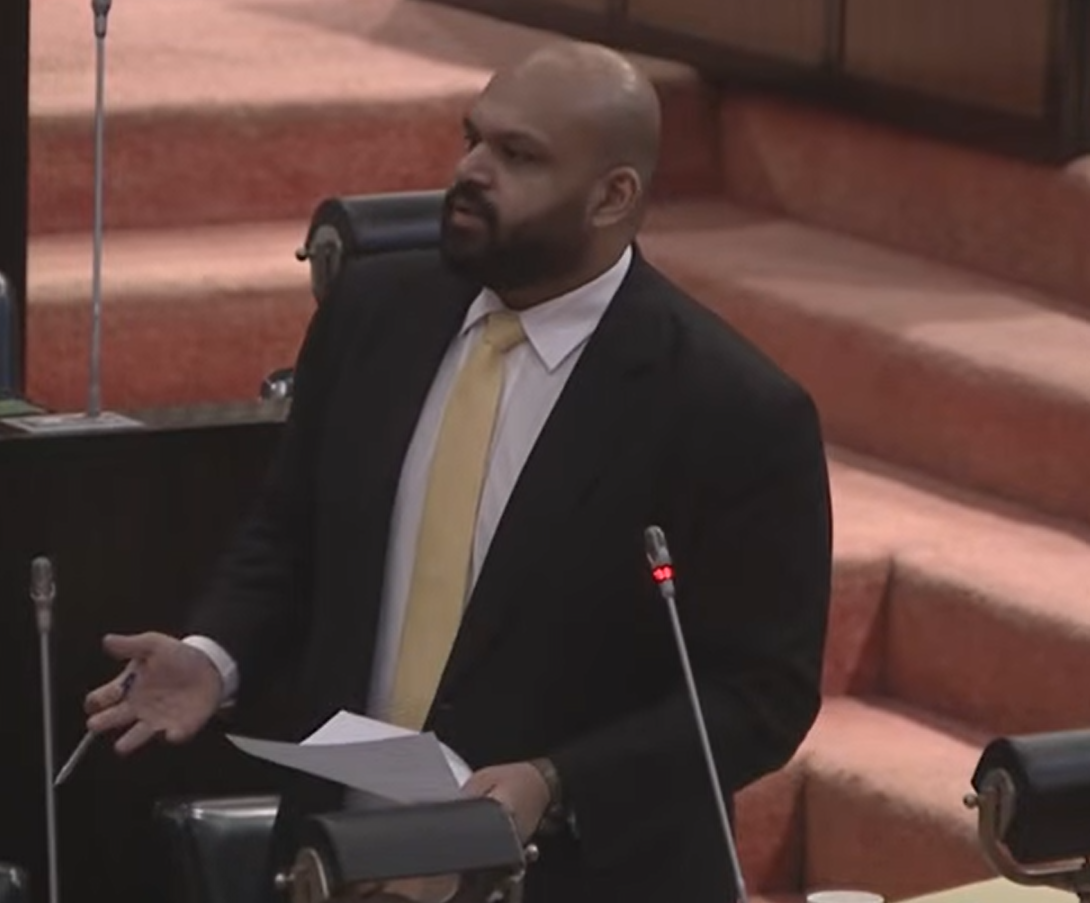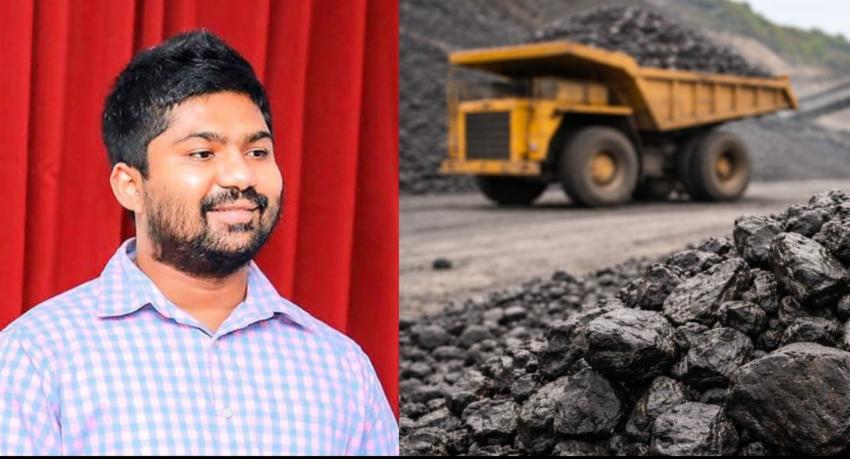
D.V. Chanaka, former State Minister of Power and Energy, has presented allegations of tender manipulation, delayed approvals, and inconsistent quality standards before a Special Presidential Commission investigating coal transactions.
Former State Minister of Power and Energy D.V. Chanaka presented multiple allegations regarding coal procurement irregularities before a Special Presidential Commission on Wednesday. Chanaka's testimony centered on both emergency and long-term coal tenders cancelled during the 2022 economic crisis, which he attributed partly to technical shortcomings and the country's severe financial difficulties that affected supplier stability.
Among Chanaka's key claims was that the 2025/2026 long-term coal tender process had been delayed to coincide with a particular supplier's registration completion, with bid documents issued just one day before the supplier's registration was finalized. He argued this timing suggested coordinated effort to facilitate that supplier's participation. Chanaka also alleged that critical technical requirements regarding coal unloading capacity were not properly evaluated during the procurement process.
The former minister raised concerns about inconsistencies in laboratory report acceptance, stating that reports from a foreign laboratory were accepted while those generated by the Lakvijaya Power Plant laboratory were rejected. He also highlighted a five-week delay in obtaining National Procurement Commission approvals for establishing procurement committees, which he said significantly impacted the tender timeline. Additionally, Chanaka alleged that the former Lanka Coal Company Chairman A.H.C. Perera had resigned in protest against the conduct of former Ministry of Energy Secretary Udayanga Hemapala, though the resignation was reportedly not immediately accepted.
Chanaka further pointed to what he characterized as inconsistent quality evaluation standards, noting that shipments with high ash content had not been rejected while consignments were rejected only when calorific values fell below specified levels.