The skeletal remains of two German military personnel from World War Two have surfaced in Budapest's Danube river amid severe drought conditions, offering potential closure to families still seeking answers about missing relatives nearly 80 years after the conflict ended.
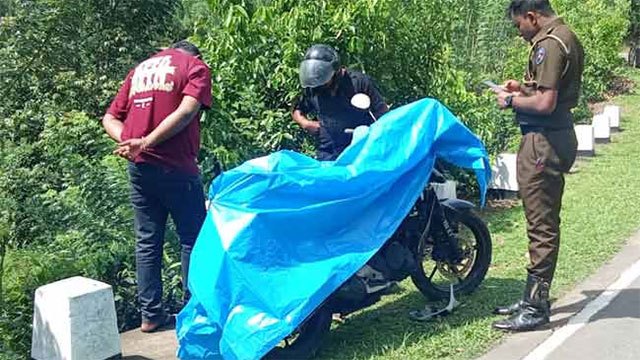
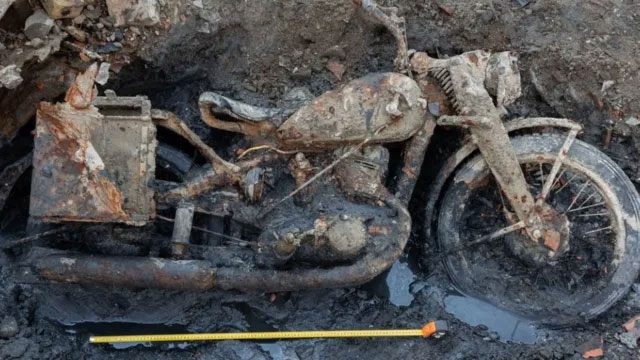
An intense drought affecting Central Europe has exposed the remains of two German soldiers in Budapest's Danube river, along with their military identification tags and personal effects. The discovery occurred on August 2nd when a passerby noticed part of a motorcycle protruding from rocks on the riverbank in downtown Budapest. The German War Graves Commission, which manages recovery and burial of German war dead on behalf of the government, subsequently identified one deceased as a Wehrmacht soldier and the other as a member of the Waffen-SS.
The recovery operation uncovered remarkably well-preserved artifacts alongside the remains, including a German army motorcycle believed to be a DKW NZ 350-1 model manufactured for wartime purposes from 1944, identification tags, a wedding ring, and a Kuban shield—a Wehrmacht combat badge. According to the commission, the preservation resulted from a protective layer of harbour sludge and oil that accumulated on the riverbed. Anti-tank mines were also discovered during the excavation, prompting temporary closure of the riverbank and deployment of bomb disposal specialists.
Identifying the two soldiers presents a complex investigative challenge. Arne Schrader of the German War Graves Commission stated that while the names on the identification tags may be determined relatively quickly, establishing definitive connections between the individuals and their remains requires extensive analysis. Bone examination will form a critical component of the identification process. The commission noted that many families likely never received official notification of their relatives' deaths, leaving their fates unknown for over eight decades.
The soldiers are scheduled for burial at the German war cemetery in Budaörs, outside Budapest. The discovery has resonated within World War Two genealogy communities online, with observers expressing appreciation that these fallen soldiers may finally receive dignified interment while potentially providing long-awaited answers to bereaved families.