The government is exploring capital punishment for drug-related crimes as part of a comprehensive strategy to combat what officials describe as a growing narcotics crisis affecting the economy and social fabric.
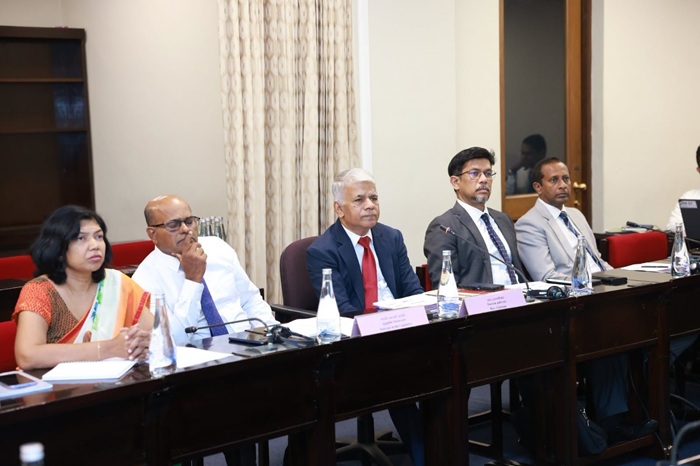
President Anura Kumara Dissanayake chaired a meeting of the "Ratama Ekata" National Operations Council at the Presidential Secretariat on Monday to discuss the death penalty for drug offences alongside broader anti-narcotics measures. Officials characterized drug trafficking as a threat extending beyond individual users to encompass significant dangers to the national economy, tourism sector and social environment, with wealth generated through illicit trade fuelling a wider criminal ecosystem.
The government is advancing legal amendments to strengthen drug control legislation and bail provisions, with these reforms expected to be gazetted shortly before parliamentary submission. Simultaneously, authorities have accelerated the processing of Government Analyst reports that previously delayed drug cases, producing 6,414 reports in July alone. The President instructed officials to establish a classification system for seized narcotics based on quantity thresholds and improve coordination between the Government Analyst's Department, police and prisons to expedite court proceedings.
President Dissanayake emphasised the need for collaborative action from religious leaders, parents and community organisations to shift public attitudes toward narcotics and related crime. The meeting also reviewed efforts to expand the Government Analyst's Department capacity, with Navy assistance being provided for evidence processing. Additionally, officials discussed prison conditions following recent unrest that caused property damage exceeding Rs. 255 million at facilities in Negombo, Mahara, Magazine, Pallansena and Kuruwita, with plans to increase psychiatric professional involvement to reduce inmate violence.