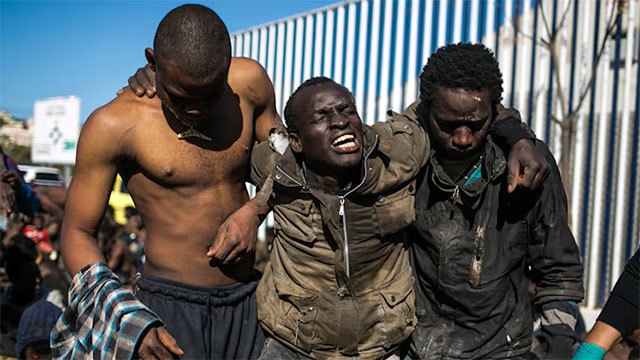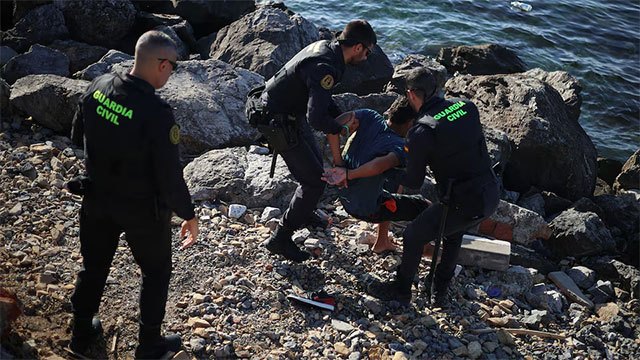
At least 72 people died during a mass crossing into Spain's North African enclave of Ceuta on Thursday, with over 50,000 migrants attempting entry in an unprecedented surge that prompted emergency responses across Europe.
The death toll from a major migrant crossing into Ceuta on Thursday has reached at least 72, according to Spanish officials, with five additional bodies discovered along the city's coastline by Sunday. More than 50,000 people attempted to enter the Spanish territory from Morocco in what authorities describe as an unprecedented rush, representing one of the largest incidents at the European Union's limited land borders with Africa. The majority of those who crossed—over 48,000—returned to Morocco within 48 hours, with additional numbers departing over the weekend, Spanish authorities reported.
Migrants attempting entry faced dangerous conditions, with some drowning and others crushed while climbing breakwaters and border fences. Spanish health services have treated over 1,000 people since Thursday. However, Ceuta's leader Juan Jesus Vivas indicated to El País that the city's morgue had received 88 corpses, including victims from smaller crossing attempts over the preceding two weeks. Moroccan authorities have also reportedly recovered bodies from the sea, though no official figures have been released.
The surge appears driven by economic hardship and social media speculation, according to local accounts. One French national present in Ceuta expressed distress at migrants, including mothers with infants as young as two months, risking their lives at sea. In response, Spanish authorities have significantly increased police and army patrols and installed a 500-metre floating barrier off Ceuta's coast on Saturday.
The incident has generated concern across the EU, with 22 member states calling for coordinated border protection measures. Italy temporarily suspended passport-free Schengen travel arrangements with Spain for one month. Spain has rejected claims that its recent residency programme for undocumented migrants encouraged the crossing, stating that irregular entrants to Ceuta cannot proceed to mainland Spain.