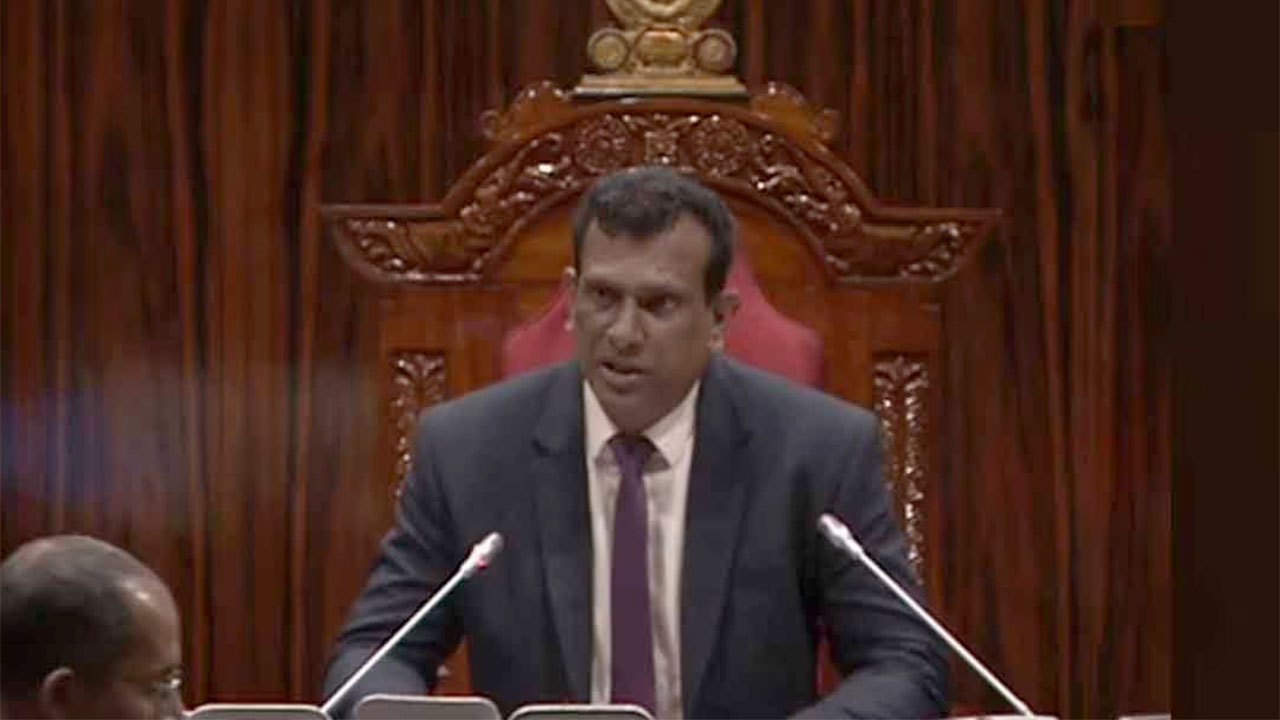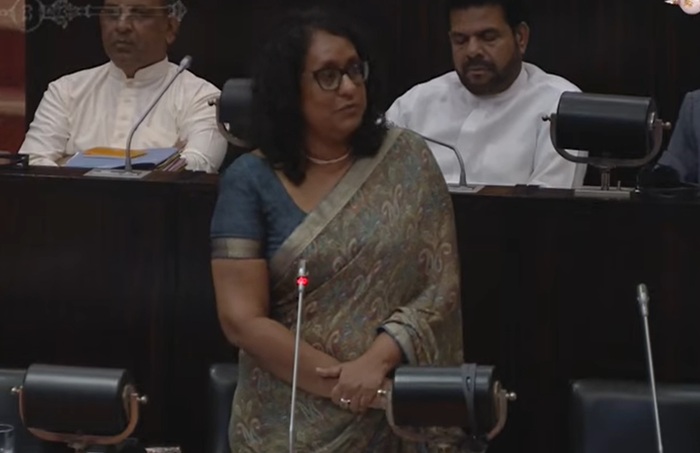
Prime Minister Harini Amarasuriya has expressed concern over declining retention rates among boys in secondary education, warning that early school departures leave children vulnerable to exploitation and inadequate job prospects.
Prime Minister Harini Amarasuriya has raised alarm over a growing trend of boys leaving the school system before completing their full 13-year education cycle, describing it as a significant challenge despite legal requirements for compulsory schooling until age 16.
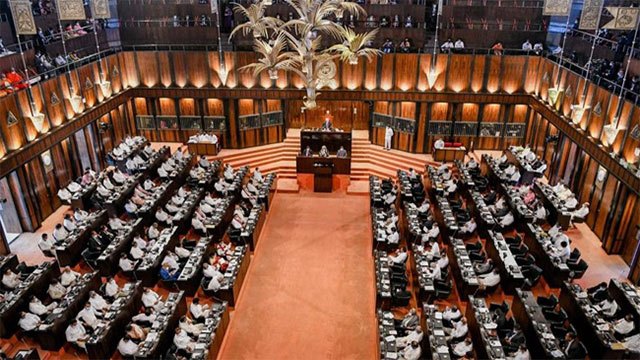
During parliamentary debate on legislation covering employment of women, young people and children, Amarasuriya emphasised that children departing school without completing their full education enter the workforce without sufficient skills and qualifications. This gap, she argued, significantly increases their vulnerability to workplace exploitation and other risks. The Prime Minister outlined the government's education reform agenda introduced in 2026 as central to addressing retention issues, with a stated objective of establishing safer and more supportive school environments that encourage students to remain enrolled.
To support these objectives, the government has allocated Rs. 1.9 billion in 2026 toward upgrading primary school infrastructure. Additionally, the rollout of C2 Centres will provide counselling and psychosocial support services within schools. Child protection efforts are being expanded across early childhood education, student nutrition programmes, and school transportation services.
Beyond structural measures, Amarasuriya appealed to parents and teachers to moderate academic pressure during school holidays, stressing that children require adequate rest and recovery time during breaks. The combined approach reflects the government's broader strategy to address educational retention through both environmental improvements and holistic child welfare measures.