The government has announced plans to transform Delft Island into Sri Lanka's first zero-emission eco-tourism destination, focusing on sustainability and heritage preservation while boosting the local economy.
The Sri Lankan government has outlined an initiative to develop Delft Island as the nation's inaugural zero-emission eco-tourism destination, combining environmental responsibility with cultural preservation. A site inspection and stakeholder meeting were recently conducted by Deputy Minister of Tourism Ruwan Ranasinghe to assess the project's feasibility and gather community input.
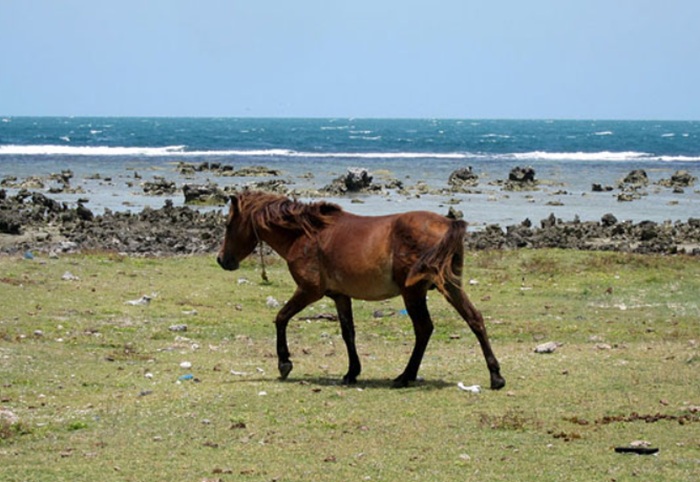
Delft Island, located in the Jaffna district, holds significant tourism potential due to its Dutch colonial ruins, archaeological sites, and famed wild horse population. Despite these distinctive attractions, the island currently generates limited revenue for Sri Lanka's tourism sector. Government officials believe the development project can unlock this untapped potential while maintaining strict environmental standards.
The proposed development priorities include upgrading water supply systems, improving road infrastructure, and enhancing transportation and accessibility. Officials emphasized that community engagement will be central to the initiative, with plans to provide training in hospitality and tourism services to local residents, enabling them to participate directly in the tourism economy.
According to the government's vision, Delft Island will serve as a model for sustainable tourism practices in Sri Lanka, showcasing renewable energy solutions and environmentally responsible development methods. The project aims to attract both international and domestic tourists while preserving the island's unique natural and cultural heritage. The initiative brings together multiple stakeholders, including government tourism authorities, local political representatives, and community members, to coordinate the development strategy.