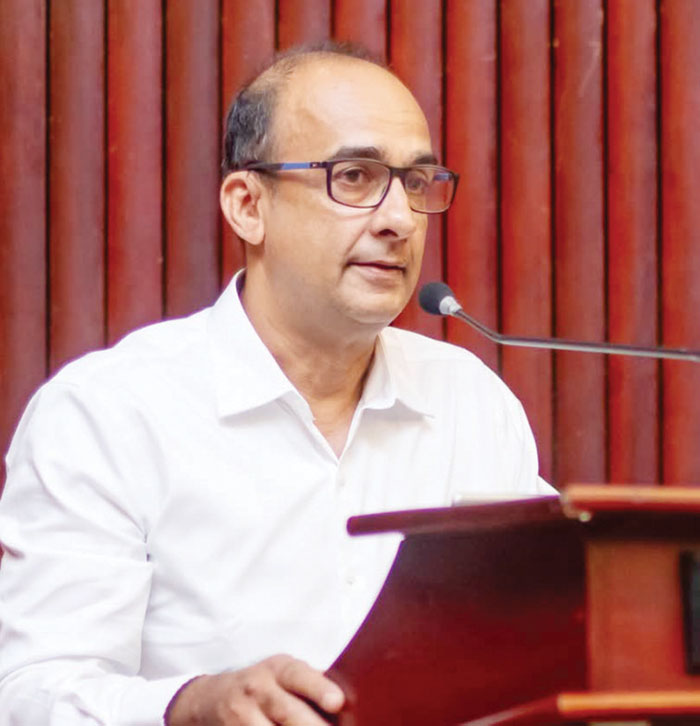
As dengue cases continue to rise across Sri Lanka, a consultant physician emphasizes the critical importance of early diagnosis, proper fluid management, and community vigilance in combating the disease and preventing life-threatening complications.
Sri Lanka is experiencing a growing dengue epidemic affecting people across all age groups, with health officials warning that the disease should not be dismissed as a common viral fever. According to Dr. Shyama Subasinghe, a Consultant Physician at Sri Jayewardenapura Hospital, the current surge is driven by environmental factors including poor sanitation, clogged drainage systems, construction sites, and stagnant water in unused containers that provide ideal breeding grounds for Aedes mosquitoes. Monsoon rains and rising temperatures further accelerate mosquito reproduction and the development of the dengue virus.
Dr. Subasinghe highlighted critical warning signs that warrant immediate medical attention, including high fever, severe back pain, bleeding from the gums, blood in vomit, and small bleeding patches on the skin. She emphasized that dengue can progress rapidly to life-threatening conditions such as dengue shock syndrome, characterized by severe plasma leakage and dangerous drops in blood pressure. Rare but serious complications can include brain inflammation, heart muscle inflammation, liver failure, acute kidney injury, and in exceptional cases, multiple organ failure.
Proper fluid management emerges as a cornerstone of dengue treatment, particularly during the critical phase when plasma leaks from blood vessels. Dr. Subasinghe stressed that maintaining the correct fluid balance is essential to prevent both dehydration and fluid overload, with careful medical monitoring proving crucial. She noted that dengue antigen tests conducted between days two and four provide early and accurate diagnosis, while antibody tests become useful after day five. Children, elderly individuals, and those with existing heart, kidney, liver, or diabetic conditions face heightened risk of severe complications.
Dr. Subasinghe emphasized that dengue control extends beyond medical intervention, requiring community-wide cooperation and environmental management. She warned that hospitals currently face significant challenges including shortages of beds, doctors, and nurses during the surge, while urging the public to seek early medical attention and avoid self-medication with aspirin or other non-steroidal anti-inflammatory drugs. Health education, mosquito repellent use, and removal of stagnant water remain the most effective long-term prevention strategies.





-850193_850x460.jpg)