

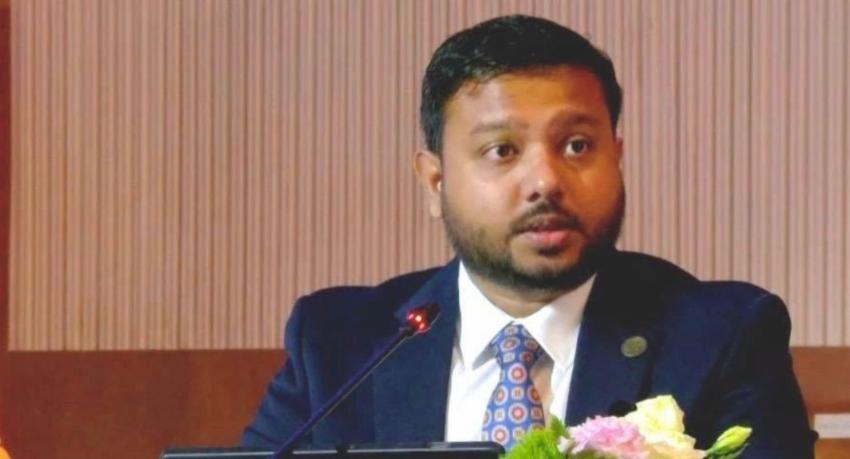
At a commemoration of the Non-Aligned Movement's 65th anniversary, Sri Lanka's Deputy Minister of Foreign Affairs emphasized the need for renewed unity among developing nations and stronger international cooperation to address conflicts and humanitarian crises.
Sri Lanka has stressed the importance of international solidarity and cooperation as the world grapples with escalating armed conflicts, geopolitical tensions, and humanitarian emergencies. Speaking at the commemoration of the 65th Anniversary of the First Conference of Heads of State or Government of Non-Aligned Countries in Belgrade, Serbia, Deputy Minister of Foreign Affairs and Foreign Employment Arun Hemachandra outlined the challenges facing the global system and called for nations to support one another during periods of crisis.
Hemachandra emphasized that the Non-Aligned Movement remains a vital platform for practical cooperation and mutual assistance among member states. He argued that countries experiencing natural disasters, economic shocks, armed conflicts, or humanitarian emergencies should not bear these burdens in isolation. According to the Deputy Minister, the current global environment requires the movement to reaffirm its core purpose and strengthen unity among developing nations to ensure their concerns are adequately represented in international forums.
Under the leadership of President Anura Kumara Dissanayake, Sri Lanka has committed to pursuing an independent foreign policy based on constructive engagement with all nations and respect for sovereignty, Hemachandra stated. He advocated for reforms to the United Nations and international governance structures that would enhance rather than diminish the influence of developing countries. The Deputy Minister also called for any such reforms to be grounded in principles of sovereign equality and non-interference.
Regarding ongoing global conflicts, Hemachandra expressed concern about civilian suffering in conflict zones, particularly in the Middle East. He reiterated Sri Lanka's long-standing support for a comprehensive political settlement to the Palestinian issue in accordance with UN resolutions and international law, emphasizing that lasting peace requires adherence to international law and addressing the legitimate concerns of all parties involved.