U.S. President Donald Trump has announced plans to impose 50% tariffs on automobiles, trucks, automotive components, and steel effective January 1, 2027, escalating tensions with Canada after trade negotiations broke down over the weekend.
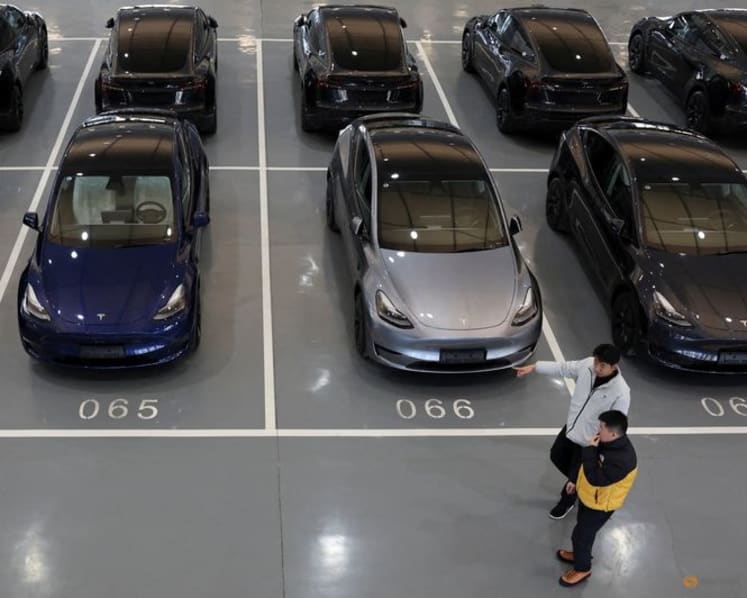
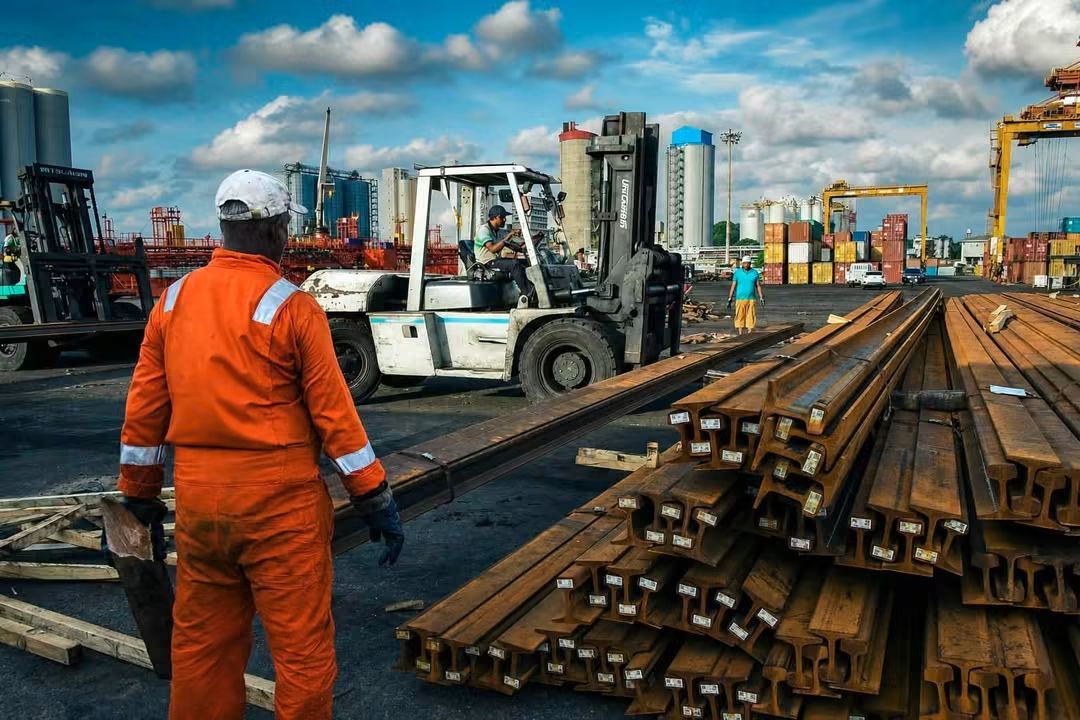
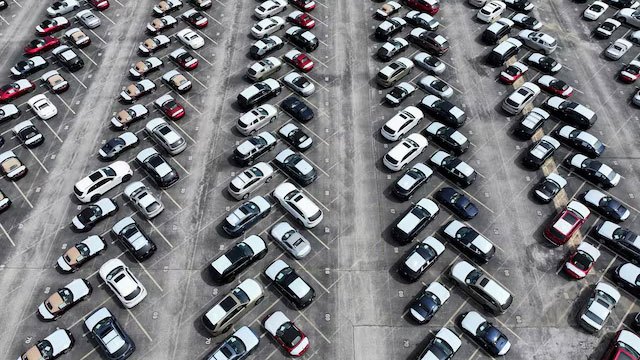
President Donald Trump declared on Monday that the United States would impose a 50% tariff on all vehicles, trucks, automotive parts, and steel beginning January 1, 2027. The announcement came after trade talks between the U.S. and Canada collapsed late Friday, with both nations accusing each other of responsibility for the failed negotiations. Trump stated that products manufactured within the United States would face zero tariffs, signaling a shift in how Canada would be treated under U.S. trade policy.
In his statement, Trump characterized Canada as among the most difficult nations to conduct trade with, claiming the country feels a sense of entitlement while asserting that the United States does not require Canadian trade. The escalating dispute has prompted Canada to prepare retaliatory tariffs on selected American goods in response to Trump's earlier 50% levies on certain Canadian products. Neither the White House nor Canadian government representatives immediately offered additional clarification or responded to requests for comment regarding the specific details of the threatened tariffs.
Major automobile manufacturers have not yet publicly commented on Trump's announcement. However, automotive industry executives speaking anonymously to Reuters expressed doubt about whether the threatened tariffs would take effect as announced. These observers pointed to Trump's history of announcing substantial tariff measures that ultimately did not materialize. Industry representatives also cautioned that tariffs of this magnitude would likely trigger significant retaliatory action from Canada and noted that the January 2027 implementation date remains several months away, suggesting Trump's announcement could be a negotiating tactic to revive trade discussions.