Deputy Minister Chathuranga Abeysinghe has called on machinery manufacturers to develop comprehensive agricultural solutions rather than simply selling equipment, arguing that small-scale farmers face structural economic barriers rather than a lack of technology.
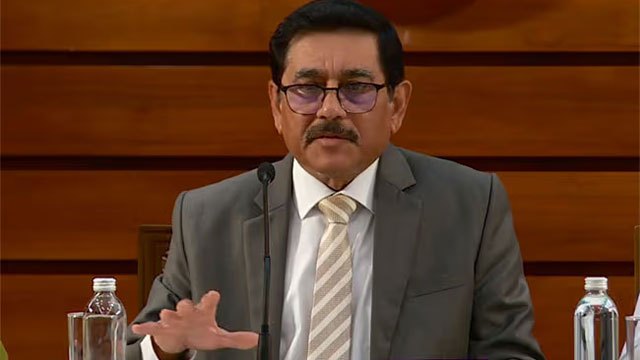
Sri Lanka's approach to agricultural mechanisation needs to shift from a product-focused model to one that addresses underlying economic constraints affecting farmers, according to Deputy Minister of Industry and Entrepreneurship Development Chathuranga Abeysinghe. Following discussions with the Agricultural Machinery Manufacturers and Suppliers Association, Abeysinghe identified the core issue as flawed business structures within the agricultural sector rather than insufficient technological options available to cultivators.
Small-scale farmers operating plots of two to three acres face particular challenges, as machinery often costs hundreds of thousands of rupees—a prohibitive expense for individual purchasers. Additionally, farmers frequently obtain seeds and fertiliser on credit, accumulating significant debt before their harvested produce reaches market and generates income. These financial pressures create barriers that prevent technology adoption even when equipment is available.
The deputy minister proposed collaborative purchasing models where farmer groups could jointly access machinery rather than requiring individual purchases. He emphasised that manufacturers should evolve into partners within agricultural value chains, developing integrated solutions that enhance productivity, reduce production costs, strengthen market connections and improve farmer incomes. Cooperative-based systems could facilitate wider technology accessibility while supporting sectoral development.
Abeysinghe also stressed the importance of investing in locally developed agricultural technology and transforming cultivation practices into a commercially integrated system. He warned that global food security challenges may emerge by 2035, suggesting that structural agricultural reforms should commence immediately rather than awaiting external pressures to mandate change.