A psychiatry professor has raised alarm over widespread drug abuse in Sri Lankan universities, citing research indicating that the majority of male students who drop out are struggling with addiction.
Drug addiction among university students in Sri Lanka has reached concerning proportions, according to Professor Amila Isuru, Head of the Department of Psychiatry at Rajarata University of Sri Lanka. Speaking during a media discussion on the 'A Nation United' national anti-drug programme, the professor highlighted the scale of the problem affecting the country's higher education institutions.
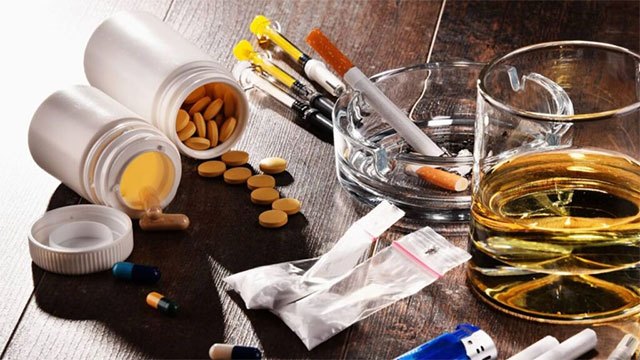
Professor Isuru pointed to dropout statistics as evidence of the crisis, noting that research indicates approximately 70% to 80% of male students who leave universities prematurely do so due to drug addiction. The professor explained that addiction functions primarily as a physiological dependency rather than a matter of recreational pleasure, with individuals continuing substance use to manage withdrawal symptoms that emerge when they attempt to stop.
Beyond universities, the expert warned of a troubling pattern extending into secondary schools. Research conducted within educational institutions has revealed a systematic tendency for young people to be introduced to and become accustomed to drug use during their formative years. Professor Isuru expressed particular concern about the role of drug traffickers in deliberately targeting schoolchildren and university students to establish addiction from an early age.
The professor emphasised that withdrawal symptom management becomes a primary driver compelling continued drug use among students, creating a cycle that disrupts their academic progress and personal development. The findings underscore the urgent need for comprehensive intervention strategies targeting both prevention and treatment within Sri Lanka's educational system.