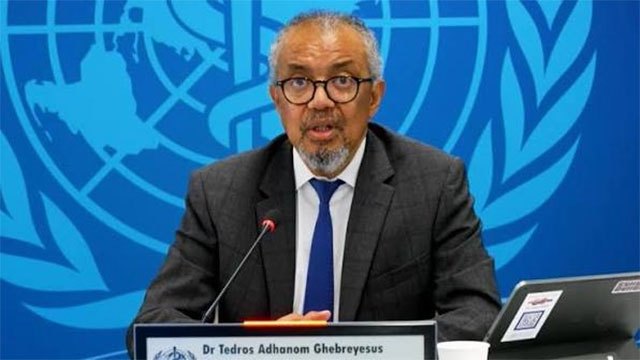
The current Ebola epidemic in the Democratic Republic of Congo is progressing at a pace that could surpass the 2014-2016 outbreak, which killed over 11,000 people, according to WHO leadership.
The ongoing Ebola outbreak in the Democratic Republic of Congo presents a serious public health threat, with WHO Director-General Tedros Adhanom Ghebreyesus cautioning that it could become the deadliest in recorded history if current transmission rates continue. Since its official declaration on May 15, the outbreak has recorded more than 4,300 cases and over 2,000 deaths, already positioning it to potentially eclipse the 2014-2016 West African epidemic that claimed at least 11,000 lives.
Health officials have indicated that the actual outbreak began considerably earlier than its formal recognition, with evidence suggesting transmission started in February before cases were initially misdiagnosed as malaria or typhoid. WHO Africa director Mohamed Janabi acknowledged at a press conference in Bunia that authorities are "chasing the virus" rather than staying ahead of it, with health workers currently able to reach only approximately 30 percent of cases due to regional instability in eastern DR Congo.
A significant complication is that this outbreak involves the Bundibugyo species of Ebola, a rare variant responsible for only two previous known outbreaks in 2007 and 2012. Currently, no approved vaccines or recognized therapeutic treatments exist for this specific strain. However, the UK medicines regulator has authorized initial human trials for a Bundibugyo vaccine developed by University of Oxford researchers using technology from the Oxford-AstraZeneca Covid vaccine, with three other groups also pursuing vaccine development. Additionally, the WHO is sponsoring clinical trials in DR Congo to evaluate whether existing antiviral therapies can enhance survival outcomes.
The WHO has expressed hope of bringing disease transmission under control within three months, though officials stressed this represents disease management rather than outbreak termination.