
The European Union has funded a seminar to help Sri Lankan food manufacturers and packaging suppliers understand new packaging regulations that took effect in August, ensuring continued market access to Europe.
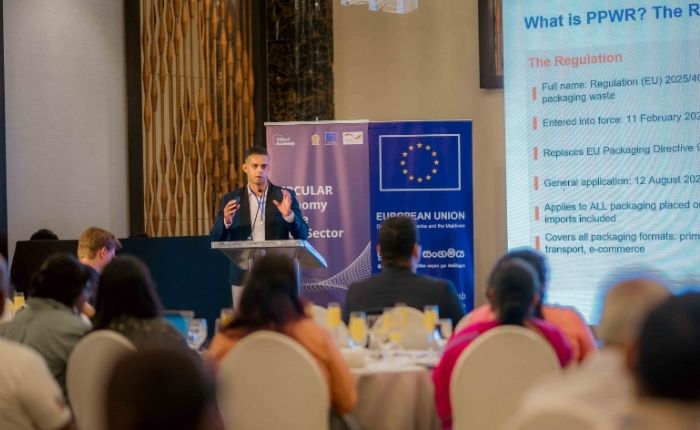
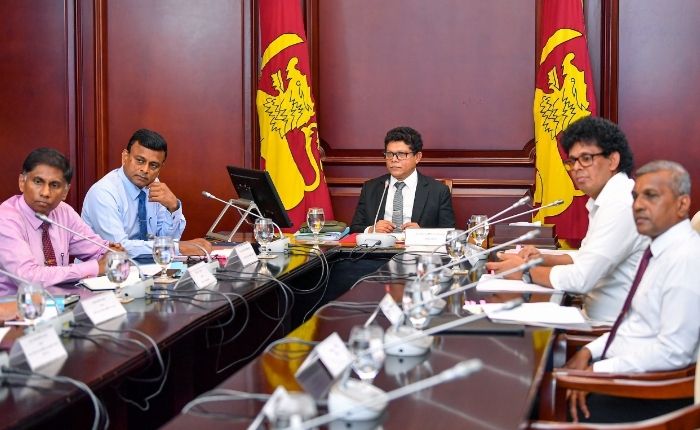
A two-day seminar supported by the European Union has equipped Sri Lankan businesses with practical guidance on complying with the EU's Packaging and Packaging Waste Regulation (PPWR), which became applicable across the EU market on August 12. The initiative targeted packaging manufacturers, food exporters, printing service providers, and industry associations to help them navigate legally binding requirements now governing all packaging entering the European market.
The PPWR, which entered into force in February 2025, establishes five core compliance pillars: recyclability standards, recycled plastic content requirements, reuse obligations, harmonised labelling, and waste prevention measures. The regulation carries particular implications for Sri Lanka's tea, spices, seafood, processed food, and fast-moving consumer goods sectors. Key future deadlines include a ban on certain harmful chemicals in food-contact packaging by August 2026 and a requirement for tea bags and selected formats to be industrially compostable by February 2028.
Organisers stressed that early action is critical. According to the seminar's organisers, businesses failing to adapt risk increased compliance costs, supply chain disruptions, reduced competitiveness, and potential loss of EU market access. Companies must review packaging design, material sourcing, supplier traceability, and certification processes to maintain their European operations. Nishan Perera, President of the Sri Lanka Institute of Packaging, noted that the seminar's expert guidance helped participants develop comprehensive compliance roadmaps.
The seminar was organised through the CIRCULAR Project, a joint initiative of the European Union, Expertise France, the UN Food and Agriculture Organization, and the German development agency GIZ, aimed at promoting circular economy practices within Sri Lanka's food sector.