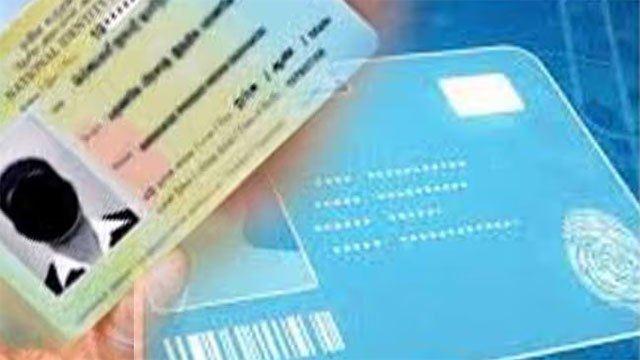
Sri Lanka's government plans to replace all existing National Identity Cards with digital versions, with the first digital IDs expected to be issued within months and a full transition targeted for completion by 2027.
The Sri Lankan government is moving forward with a comprehensive plan to transition the nation's identity system to digital format, according to Deputy Minister of Digital Economy Eranga Weerarathna. The initiative is part of a wider digitalisation agenda aimed at modernising government services and accelerating economic transformation.
Under the proposed timeline, the first digital identity cards are expected to be issued within the coming months, with the government targeting August of next year as a key milestone for establishing the foundational digital infrastructure. Following this phase, authorities plan to migrate approximately 17 million existing National Identity Card holders to the new system over a two-year period.
The Deputy Minister framed the digital ID initiative as a priority within the government's broader digital economy development strategy. Officials characterise the transition as part of a modernisation effort designed to streamline identity services and support the country's digital transformation goals. However, specific details regarding the security features, privacy protections, or technical specifications of the proposed digital system have not yet been disclosed.