

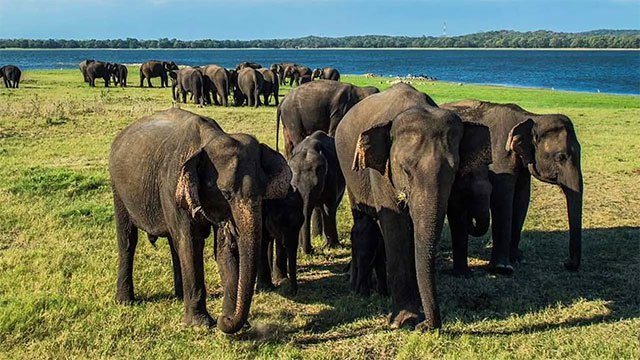
Sri Lanka's Sectoral Oversight Committee on Environment, Agriculture and Resource Sustainability has urged the swift development of a comprehensive national policy to tackle escalating human-elephant conflicts, based on research findings and stakeholder input.
Lawmakers have stressed the urgency of establishing a coordinated national policy to manage the growing tensions between human settlements and wild elephant populations, following discussions at Parliament focused on research conducted by the Coalition for Inclusive Impact, UNESCO, and the Centre for Poverty Analysis.
The Sectoral Oversight Committee, chaired by Member of Parliament Hector Appuhamy, identified several priority areas for intervention. These include addressing water and food shortages in wildlife habitats that drive elephants toward human communities, enhancing conservation efforts within protected areas, and expanding community engagement in environmental stewardship. The committee also recommended expedited gazetting of six elephant corridors and improved habitat management within existing wildlife reserves to reduce human-elephant encounters.
The committee underscored that effective solutions require a multi-institutional approach grounded in scientific evidence and data. Among the recommended measures are strengthened coordination between relevant government agencies, increased public awareness campaigns targeting local communities, and proper surveying and demarcation of state lands. The discussion also addressed broader environmental concerns, including protection of the Muthurajawela wetland system and support for vulnerable fishing communities whose livelihoods face mounting pressures.
Committee members emphasized that Sri Lanka should study and adapt successful conflict management models from other regions while tailoring them to local conditions. The recommendations reflect recognition that addressing human-elephant conflict demands a comprehensive approach integrating habitat protection, resource management, and community participation alongside enhanced inter-agency coordination.