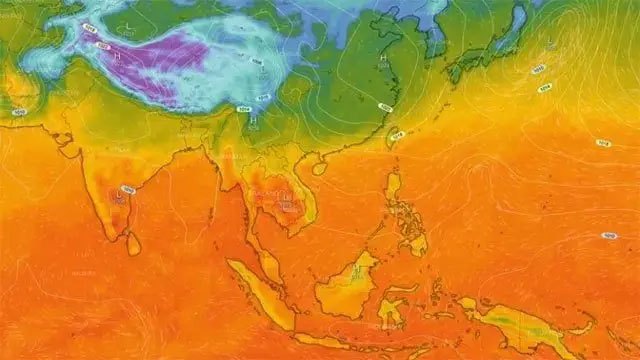
Government officials and climate experts have cautioned Sri Lanka to prepare for severe weather disruptions as the El Niño phenomenon strengthens, with dry conditions already affecting agricultural areas and rainfall patterns expected to shift dramatically.
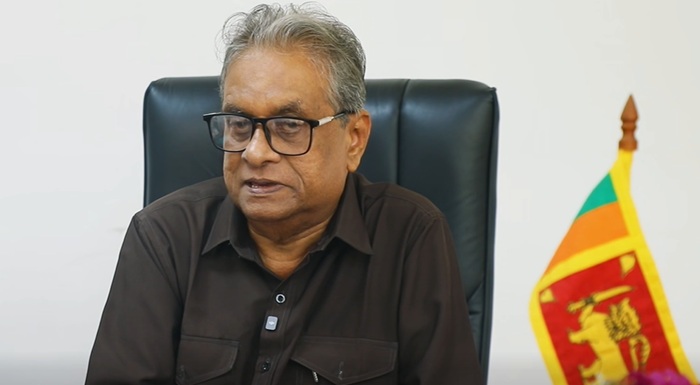
Sri Lanka faces mounting pressure to prepare for escalating weather challenges as the El Niño climate event intensifies across the Pacific region, according to warnings from senior government officials and academic experts. The Meteorology Department's Director General, Ajith Wijemanna, indicated that the current weak El Niño condition is transitioning toward a moderate phase and could potentially become extremely strong. Environment Minister Dr. Dammika Patabendi forecasted that the phenomenon would peak around November, earlier than previously expected, fundamentally altering rainfall patterns across the country.
The anticipated weather shift presents a two-phase challenge for the nation. Sri Lanka is expected to experience severe dry conditions during July through September, followed by heavy rainfall from October through December, according to the Environment Minister. Already, various regions are reporting dried water sources and crop damage, yet Trade Minister Wasantha Samarasinghe indicated that paddy cultivation for the upcoming Maha season would commence in early October despite current drought conditions. Water Supply Minister Dr. Susil Ranasinghe has urged citizens to use water responsibly as shortages intensify.
Government agencies are mobilizing disaster preparedness measures, though gaps remain in implementation. Major General (Retd.) Sampath Kotuwegoda of the Disaster Management Centre confirmed that contingency plans are being developed to address El Niño-related disasters. However, the Parliamentary Committee on Public Finance revealed that the Disaster Management Fund, established through legislation, has not yet been fully operationalised. Environment Minister Patabendi emphasized that El Niño could trigger severe drought conditions, disrupting livelihoods, economic activity, and public health if conditions deteriorate further. Officials have appealed to the public to conserve water and electricity resources.