India deployed humanitarian assistance to Nepal within 12 hours of a devastating flash flood triggered by glacial collapse, positioning itself as the quickest responder while other nations including the US and China continue mobilizing support.
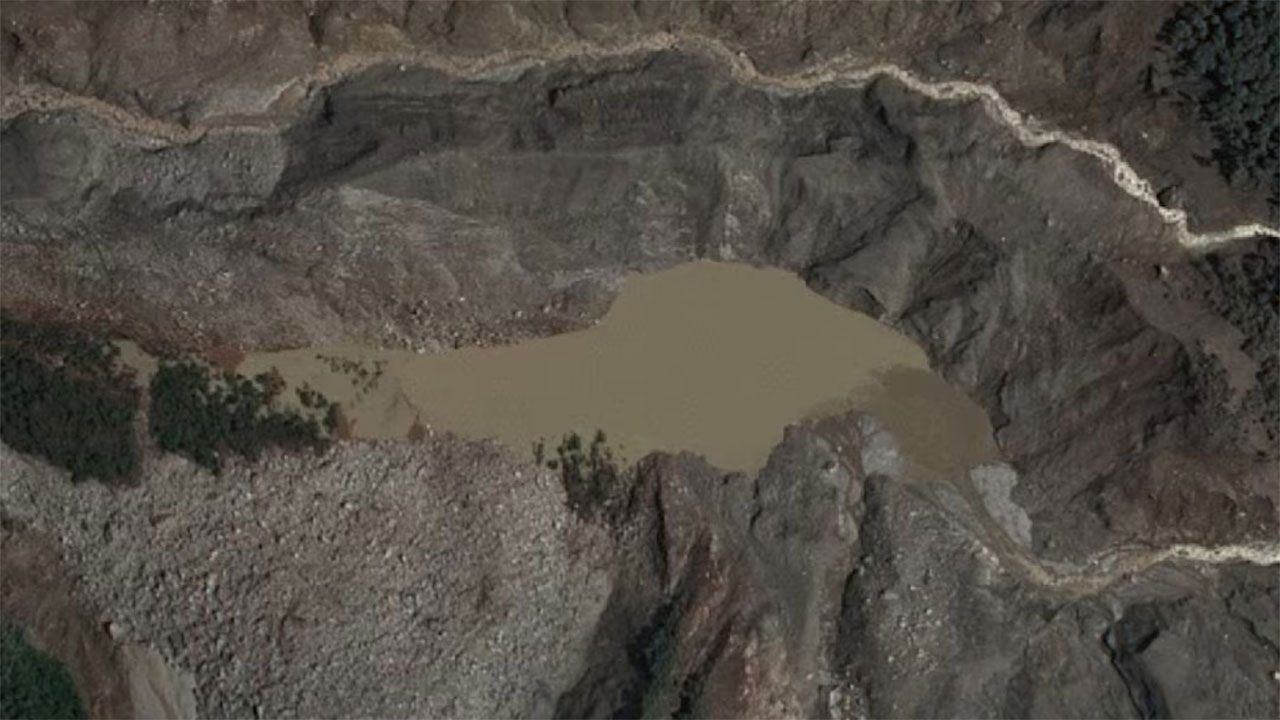
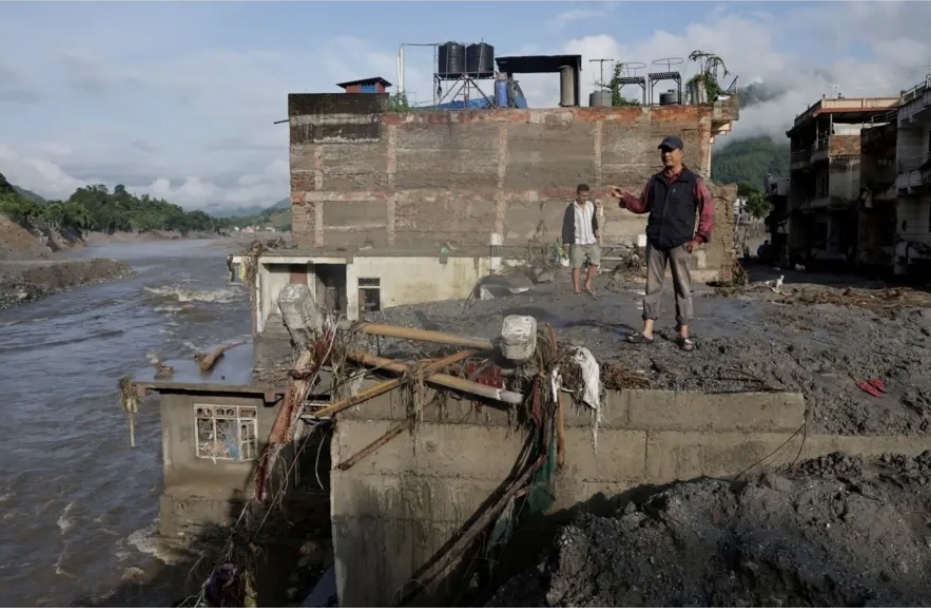
A massive flash flood struck the Nepal-Tibet border region on August 26, triggered by what officials believe was a glacial collapse that sent ice, rock, mud and water cascading down mountain systems. The disaster destroyed villages and critical infrastructure including roads and bridges. As of Friday afternoon, 469 people had died in Nepal with nearly 1,000 reported missing, while the death toll in Tibet stood at three with 558 unaccounted for.
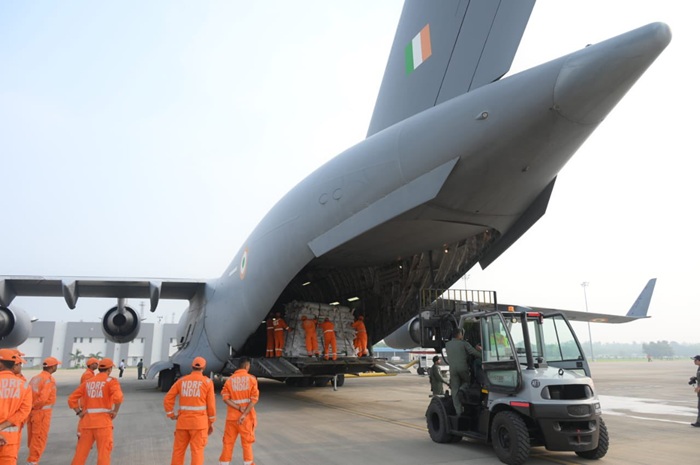
India emerged as the fastest responder to the crisis, dispatching a military transport aircraft carrying 10 tonnes of relief supplies from Indian air bases just 12 hours after the disaster struck. The first consignment arrived in Kathmandu on Wednesday night. By Friday afternoon, India had delivered a total of 62 tonnes of humanitarian assistance through multiple airlifts, including medicines and food packets. Prime Minister Narendra Modi spoke directly with Nepal's Prime Minister Balendra Shah to offer condolences and coordinate relief efforts.
While numerous countries and international organizations have pledged assistance, India's physical delivery speed distinguishes its response. China has coordinated emergency supplies and cash assistance according to its ambassador to Nepal, though the formal mechanisms for transfer were still being finalized. The United States committed $500,000 and a disaster-response adviser, the United Kingdom pledged £5 million and emergency responders, and the World Bank indicated potential emergency assistance of up to 25 billion Nepalese rupees. South Korea, the European Union, the United Nations, the World Health Organisation, and the World Bank have also offered various forms of support.
India's rapid mobilization reflects a broader pattern of the country positioning itself as a humanitarian first responder in the region, following similar relief operations during earthquakes in Turkey and Syria, cyclones in Sri Lanka, and other regional disasters.