The Frontline Socialist Party has rejected the Government's stated justifications for the proposed 22nd Amendment, arguing it is intended to remove legal and political obstacles to a neo-liberal economic program rather than address judicial delays.
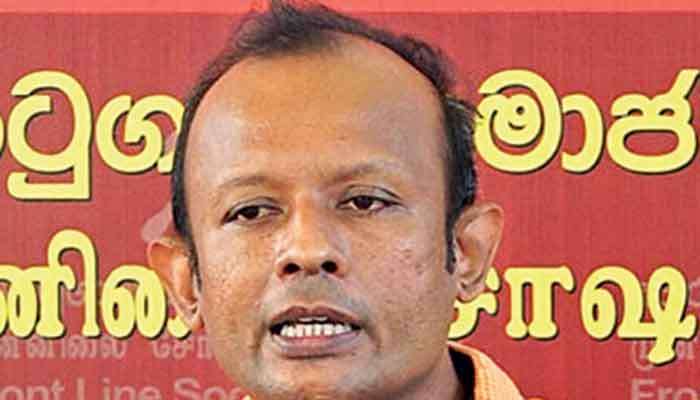
The Frontline Socialist Party (FSP) has challenged the Government's rationale for extending the retirement age of Supreme Court and Court of Appeal judges through the proposed 22nd Amendment to the Constitution. FSP Education Secretary Pubudu Jayagoda, speaking at a seminar in Colombo, dismissed Government claims that the amendment would reduce case backlogs, strengthen anti-corruption efforts, and retain experienced judicial officers. According to Jayagoda, these justifications do not withstand scrutiny, as the majority of pending cases—approximately 99 percent—are concentrated in lower courts, where extending superior court judges' retirement ages would have minimal impact.
Jayagoda argued that if reducing judicial delays were genuinely the Government's priority, it should instead focus on strengthening the capacity of Magistrates' Courts, District Courts, and High Courts. He further questioned why the Government was pursuing a constitutional amendment when many other improvements to the justice system could be implemented through ordinary legislation, such as amendments to the Judicial Service Act. This approach, he suggested, indicates the amendment serves a different purpose than stated.
According to the FSP official, the amendment is designed to enable implementation of a broader neo-liberal economic agenda while limiting legal and political resistance to unpopular policies. Jayagoda cited several measures that could face challenges from workers, farmers, and other groups, including a proposed Single Labour Law, changes to the Employees' Provident Fund's management, restructuring of agricultural institutions, and fisheries reforms. He also alleged the Government plans to close approximately 3,000 schools and pursue privatisation or restructuring of State institutions, including hospitals and laboratory services.
Jayagoda contended that expanding judicial control would reduce citizens' ability to mount legal challenges through fundamental rights petitions and other democratic mechanisms. He urged the public to oppose what he described as a reactionary constitutional amendment and to defend existing democratic and constitutional rights.