Sri Lanka's government has unveiled a comprehensive national waste management programme spanning 2026 to 2029, allocating Rs. 30 billion to address decades-long challenges in waste disposal and recycling across the country.
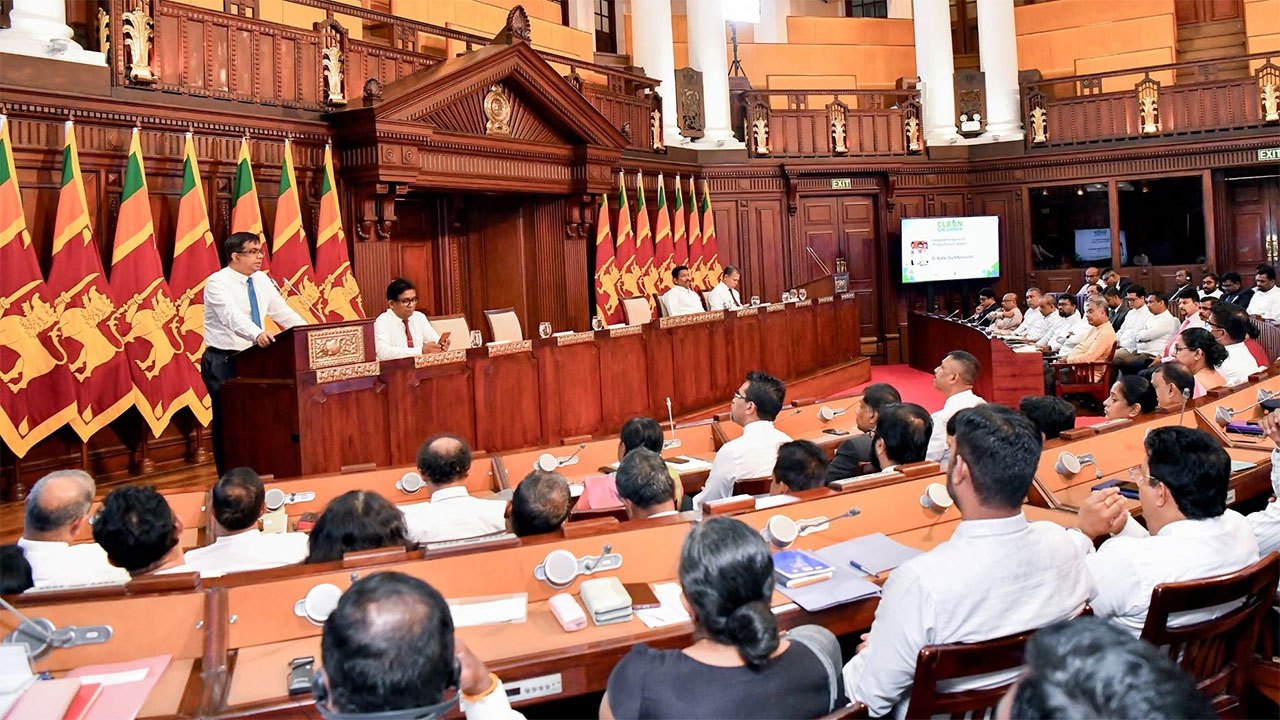
A high-level discussion held at the Presidential Secretariat outlined details of the 'Pivithuru Purawara' National Waste Management Programme, which aims to provide lasting solutions to Sri Lanka's persistent waste management problems. The three-year initiative, coordinated by the Clean Sri Lanka Secretariat under President Anura Kumara Dissanayake's direction, will incorporate international best practices alongside recommendations from local experts to strengthen collection systems, improve disposal methods, and expand recycling efforts.
Government officials acknowledged that waste management has become increasingly the responsibility of local authorities, yet the scale of the problem demands a coordinated national approach. Deputy Minister Ruwan Senarath stated that despite various initiatives implemented over the years, none have delivered sustainable long-term results. Secretary to the President Dr. Nandika Sanath Kumanayake emphasised that the Rs. 30 billion investment will be implemented across three phases, requiring stakeholder collaboration and changes in public behaviour to succeed.
The programme will address multiple waste streams, including household waste, medical waste, coastal waste, and industrial materials such as discarded fishing nets and fibreglass. Planned initiatives include promoting household composting, encouraging waste segregation at source, developing income-generating recycling opportunities, and establishing a hotline for reporting illegal dumping. Officials also highlighted the need to strengthen enforcement against unauthorised waste disposal and direct both biodegradable and non-biodegradable waste to designated recycling centres.
The Ministry of Public Administration, Provincial Councils and Local Government will oversee implementation with participation from local authorities nationwide. Officials stressed that achieving lasting success requires not only modern scientific methods and technical assistance but also fundamental shifts in public attitudes toward waste management and environmental responsibility.
-850003_850x460.jpg)