Cabinet officials state they briefed Buddhist leaders on the proposed 22nd Constitutional Amendment to extend judges' retirement age and received no opposition during meetings, though reports suggest Chief Prelates may have sent a letter expressing concerns.
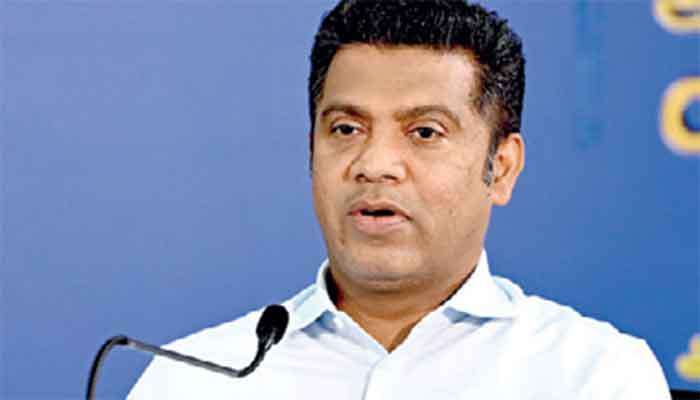
The Cabinet Spokesman and Minister Dr. Nalinda Jayatissa stated on Wednesday that he had received no notification of any letter from the Chief Prelates of Sri Lanka's three main Buddhist Nikayas opposing the proposed constitutional amendment to extend the retirement age of judges. According to Dr. Jayatissa, he and Justice Minister Harshana Nanayakkara met with the leaders of the Malwattu, Asgiri, and Ramanna Nikayas on Monday to present details of the proposed 22nd Constitutional Amendment, during which no objections were raised.
During the briefing, Dr. Jayatissa explained that the Government's position centered on expediting the resolution of long-pending court cases to ensure timely justice for the public. He emphasized that the amendment would uniformly apply to all judges across the Supreme Court, Court of Appeal, Magistrates' Courts, and other courts governed under the Judicial Service Act, rather than targeting specific individuals.
The Cabinet official further stated that even senior members of the Buddhist clergy acknowledged the serious backlog within the judicial system, with certain cases requiring between 12 and 20 years to conclude. He cited the Malwattu Chief Prelate as recognizing the necessity for judicial reforms to improve court efficiency. According to Dr. Jayatissa, this acknowledgment demonstrates support for the Government's reform objectives among religious leadership.
The engagement with Buddhist leaders continued, with Dr. Jayatissa and the Justice Minister meeting separately with the Chief Prelate of the Amarapura Nikaya on Wednesday evening to discuss the constitutional amendment and the broader judicial reform agenda. The Government has positioned the amendment as a systemic improvement rather than a measure with particular political implications.