Sri Lanka's Health Ministry has cautioned the public about the dangers of prolonged sun exposure during the current El Niño-driven heat wave, identifying vulnerable populations and recommending preventive measures.
The Ministry of Health has issued a public warning regarding the health risks posed by the country's current extreme heat conditions, attributing the situation to El Niño weather patterns. Community Health Specialist Dr. Inoka Suraweera of the Environmental and Occupational Health Unit cautioned that extended exposure to direct sunlight could result in various heat-related illnesses, ranging from minor complaints to life-threatening conditions.
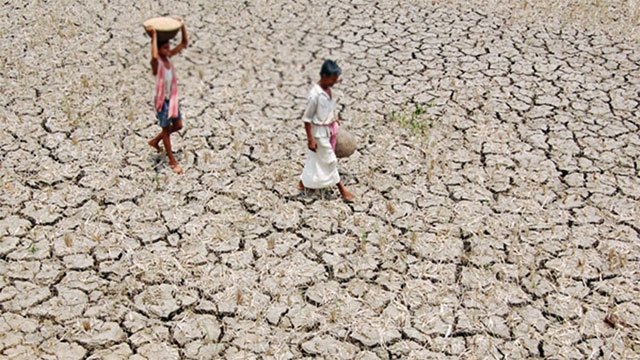
According to Dr. Suraweera, the high temperatures can trigger skin rashes, muscle cramps, and other heat-related ailments. The Ministry has identified particularly vulnerable groups, including young children, elderly individuals, and people with chronic or non-communicable diseases. Outdoor workers, particularly those in agriculture, face elevated risk levels during the current weather conditions.
To mitigate these risks, health officials have recommended several preventive measures. The public is advised to avoid direct sunlight between 11 a.m. and 3 p.m., when solar radiation is most intense. Dr. Suraweera emphasized the importance of maintaining proper hydration through regular water consumption, though she clarified that "cool" water does not require refrigeration. Additional precautions include wearing light-coloured clothing, using head coverings, and remaining in shaded areas whenever possible. Those with chronic illnesses should continue taking prescribed medications at recommended dosages.
Coordinated efforts are underway to protect schoolchildren from heat-related risks, with the Ministry of Health working alongside the Education Ministry. Students have been advised to use protective headwear or umbrellas when outdoors and to limit unnecessary activities in direct sunlight. The Health Ministry continues to collaborate with relevant institutions to manage the situation and reduce associated health dangers.