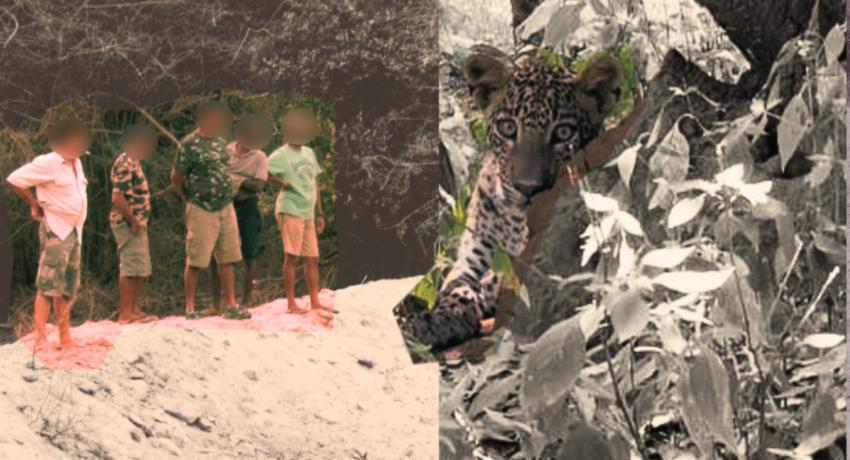
A group of dedicated volunteers has restored Kumana National Park from a conflict-devastated wasteland to a thriving biodiversity hotspot, with recent studies confirming it as one of the world's top leopard habitats.
Kumana National Park stands today as a testament to individual conservation efforts, transformed from a barren landscape depleted by civil conflict into a flourishing natural sanctuary. The park, closed to visitors during Sri Lanka's civil war, saw its wildlife decimated as occupying forces hunted nearly all large animals and stripped vegetation for firewood. By 2002, when volunteers first assessed the damage, only a single deer could be found after five days of searching, with leopards and elephants entirely absent.
A group known as the G10, named after ten original volunteers, undertook restoration work beginning in 2002 without government support or funding. The members, who worked as airline attendants and had grown up exploring Kumana, pooled personal resources to repair water reservoirs and tanks essential to the park's recovery. Their efforts operated under the leadership of Shirley Perera, the longest-serving warden of any national park in Sri Lanka, who coordinated with wartime ranger Gunasinghe. Despite initial indifference from authorities who questioned the purpose of restoring a closed park, the volunteers persisted in their work for years.
The results have been remarkable. A 2025 study by the University of Sri Jayewardenepura and the Department of Wildlife Conservation identified 41 leopards per 100 square kilometers in some regions, establishing Kumana as a globally-ranked top leopard hotspot. The park is now recognized by the Tourism Development Authority as a prime bird sanctuary, with wetlands, forests, and coastal lagoons supporting diverse wildlife including elephants, deer, sloth-bears, and numerous bird species. The volunteers emphasized that human intervention became necessary following the unnatural depletion caused by conflict, as natural restoration alone could not address ongoing water drainage issues during rainfall.
The restoration of Kumana reflects a broader historical pattern—the area previously recovered after the ancient Southern Kingdom relocated, allowing jungle to naturally regenerate and become habitat for large animals. Today, the volunteers express cautious optimism about the park's resilience to future challenges including climate change and drought conditions, noting that community cooperation in maintaining water sources provides additional protection during dry seasons.