U.S. President Donald Trump has introduced new demands for Iranian compensation for deaths and damages spanning five decades, complicating ongoing efforts to reopen the strategically vital Strait of Hormuz and reaching a peace deal with Tehran.
Negotiations between Washington and Tehran over reopening the Strait of Hormuz face fresh obstacles after President Trump announced demands for Iran to pay reparations for casualties and destruction accumulated over 50 years. The demands represent a significant escalation in rhetoric and appear designed as a counter-proposal to Iran's own requests for compensation, sanctions relief, and security guarantees. Trump stated that payments should cover deaths among civilians and U.S. military personnel, though he attributed some casualties to conflicts not directly involving Iran, including the 2000 USS Cole attack blamed on al Qaeda rather than Iranian forces.
Trump cited significantly higher casualty figures than documented by international human rights organizations. He claimed Iran killed approximately 52,000 protesters during recent crackdowns, while the U.S.-based Human Rights Activists News Agency reported roughly 7,000 deaths in February. Trump also asserted Iran should compensate for damages inflicted on Lebanon, Syria, Yemen, and Gaza. These demands have dimmed prospects for a negotiated settlement, with oil prices rising 5% on Monday following the announcement.
Meanwhile, Iran reported progress in parallel talks with Oman regarding new shipping arrangements through the strait. Iranian Foreign Ministry spokesman Esmaeil Baghaei indicated discussions were proceeding constructively with an agreement reached on shipping routes, though technical issues remained unresolved. However, the two sides have not resolved fundamental disagreements: the U.S. opposes allowing Iran to collect fees for strait access, while Iran maintains this authority given the agreement with Oman.
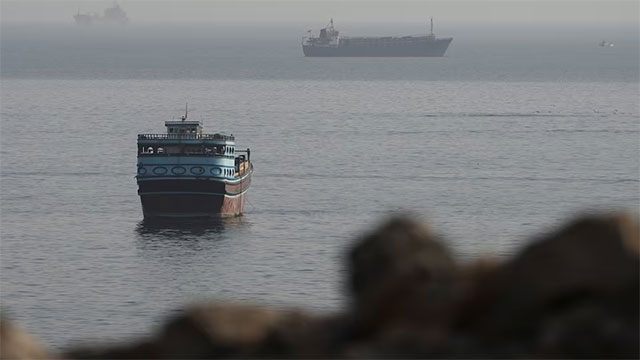
The Strait of Hormuz remains effectively blocked since the conflict began in February, disrupting approximately one-fifth of global oil and liquefied natural gas shipments. Trump faces domestic pressure to resolve the conflict ahead of November midterm elections, as high fuel prices concern voters in rural areas that have traditionally supported him.