Icelandic voters have rejected a government proposal to restart accession talks with the European Union, with 52.8% voting against membership in a referendum held on Saturday.
Iceland has voted to reject its government's plan to resume negotiations on joining the European Union, marking a setback for Prime Minister Kristrún Frostadóttir's centre-left administration. According to public broadcaster RUV, 52.8% of the 225,031 votes cast opposed the proposal, while 47.2% supported it—a margin of approximately 12,600 votes. The referendum achieved the highest turnout of any Icelandic election since 2009, with 82.5% of the nation's 270,000 eligible voters participating.
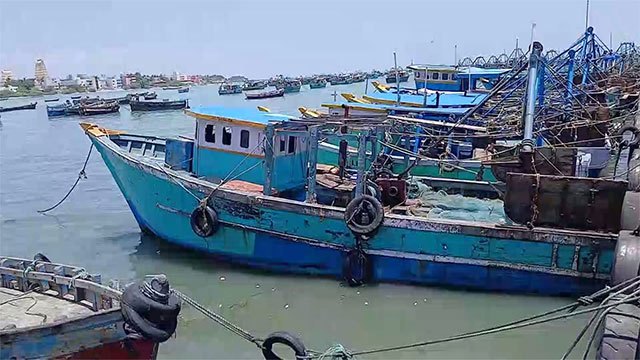
The government had originally planned to hold the referendum by 2027 but accelerated the timeline due to international tensions, including statements by US President Donald Trump regarding Greenland. However, debate within the island nation of roughly 400,000 people centred predominantly on economic concerns rather than security matters. The fishing industry dominated campaign discussions, with many No voters concerned that EU membership would require Iceland to cede control over its lucrative fishing grounds under the bloc's common fisheries policy. Fish and marine industries represent nearly 40% of Iceland's total exports.
Iceland initiated its EU application in 2009 following the collapse of its banking system during the global financial crisis. Though negotiations had advanced significantly, a eurosceptic government halted talks in 2013, with fishing rights remaining the primary point of contention. A Yes vote would not have constituted a final decision on membership but rather a step toward an accession agreement requiring subsequent approval through a second referendum. Importantly, Saturday's rejection does not permanently foreclose future membership discussions.
Currently, Iceland participates in the EU's single market and Schengen border-free zone but remains outside the customs union and does not use the euro. As a NATO founder member with no military forces, Iceland relies on allied defence capabilities and has expressed support for Ukraine during Russia's invasion, while also monitoring increased Russian maritime activity near the island.